
Common Outfit Mistakes to Avoid at Indian Weddings (Guest Style Guide)
Indian weddings are a beautiful mix of tradition, colour, and celebration often spread across multiple events, each with its own vibe and dress code. From Mehendi to Reception, every function gives you a chance to dress differently. But when you’re shopping online, especially with so many options available, it’s easy to get overwhelmed and make styling mistakes that don’t quite fit the occasion.
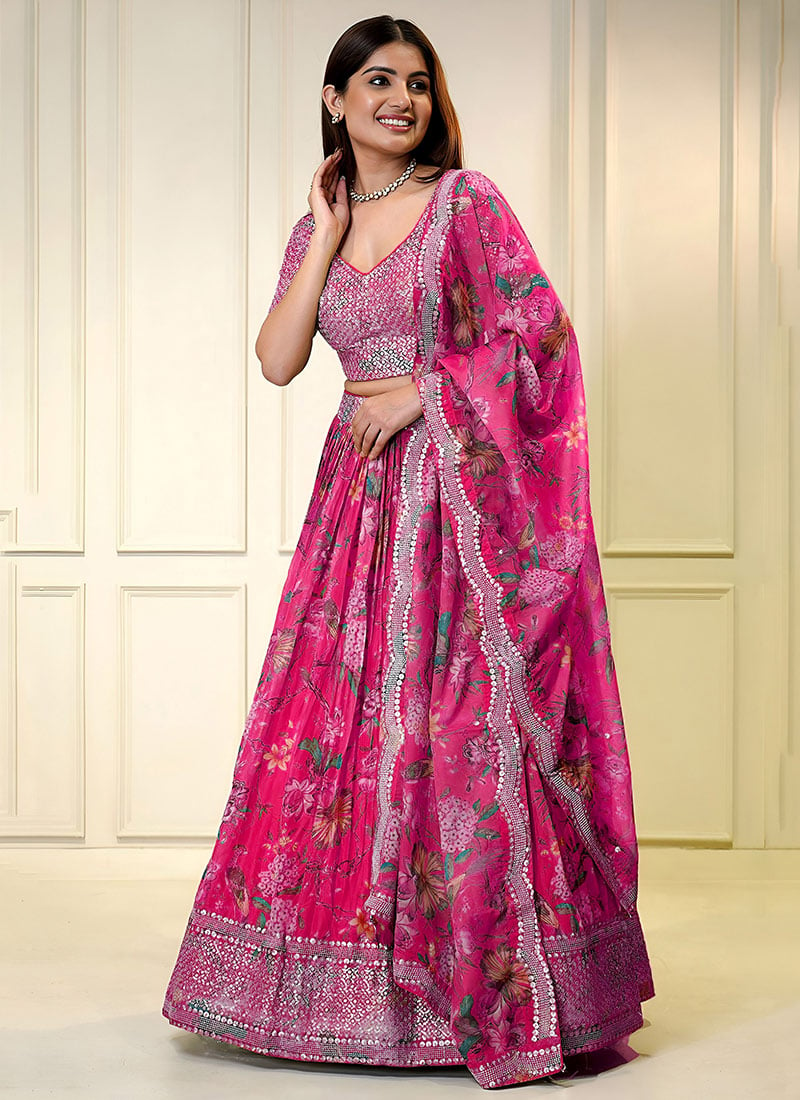
If you’re browsing outfit options, exploring curated collections like lehenga styles or salwar kameez outfits can help you understand what works for each function. The key is not just to look good but to feel confident and comfortable throughout the celebration.
Let’s break down the most common outfit mistakes guests make and how to avoid them.
1. Getting the Dress Code Wrong
Indian weddings aren’t a one-outfit event. Each function has its own energy, and your outfit should reflect that.
Wearing a heavily embroidered lehenga to a daytime Mehendi can feel too much, while showing up in a simple kurta at a glamorous reception can leave you looking underdressed. Understanding the tone of each event helps you strike the right balance.
For example, lighter and playful styles from summer Mehendi outfits work perfectly for daytime events, while more glamorous looks suit evening functions.
2. Clashing Colours Instead of Coordinating
Indian weddings are known for vibrant colours but that doesn’t mean everything has to be bold at once. Mixing too many bright shades can make your outfit feel overwhelming instead of elegant.
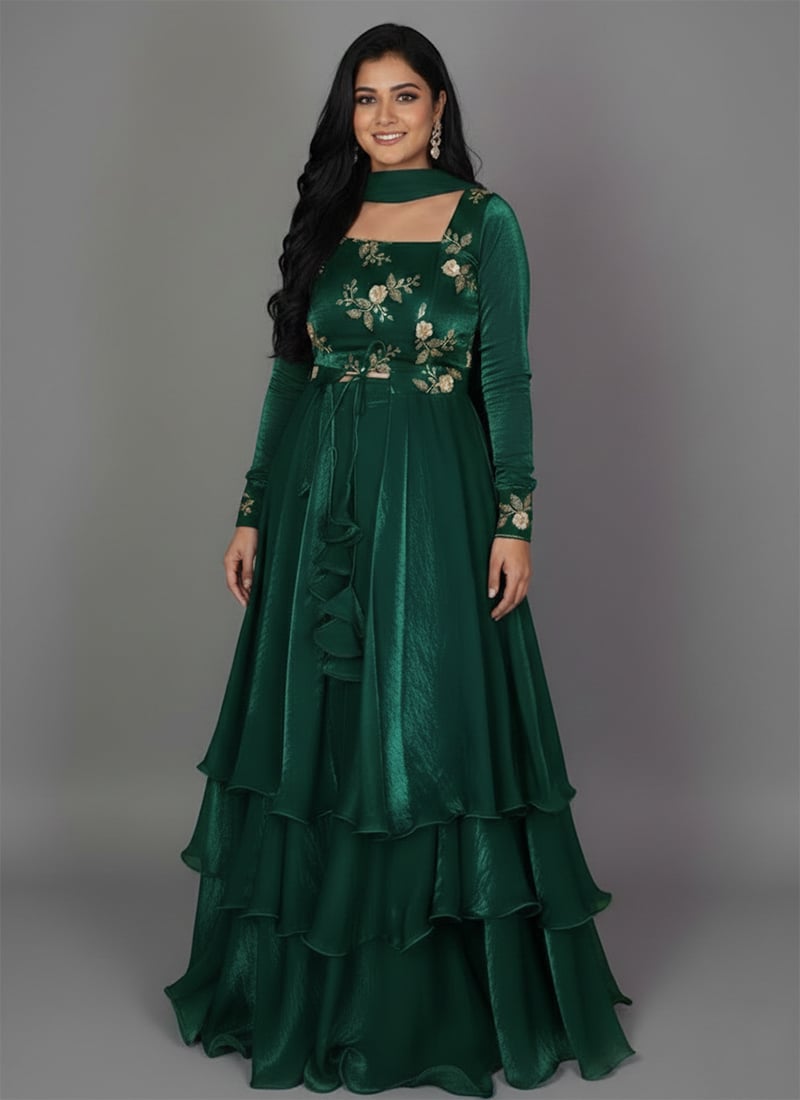
For daytime events like Haldi or Mehendi, softer shades like pastels, yellows, mint greens, and florals work beautifully. For evening events, deeper tones like wine, navy, emerald, and plum create a more refined look.
If you’re unsure, browsing different outfit categories on readymade collections can help you visualize colour combinations that actually work.
3. Ignoring Fabric Comfort
A lot of people focus on design and embroidery but fabric plays a huge role in how comfortable you feel.
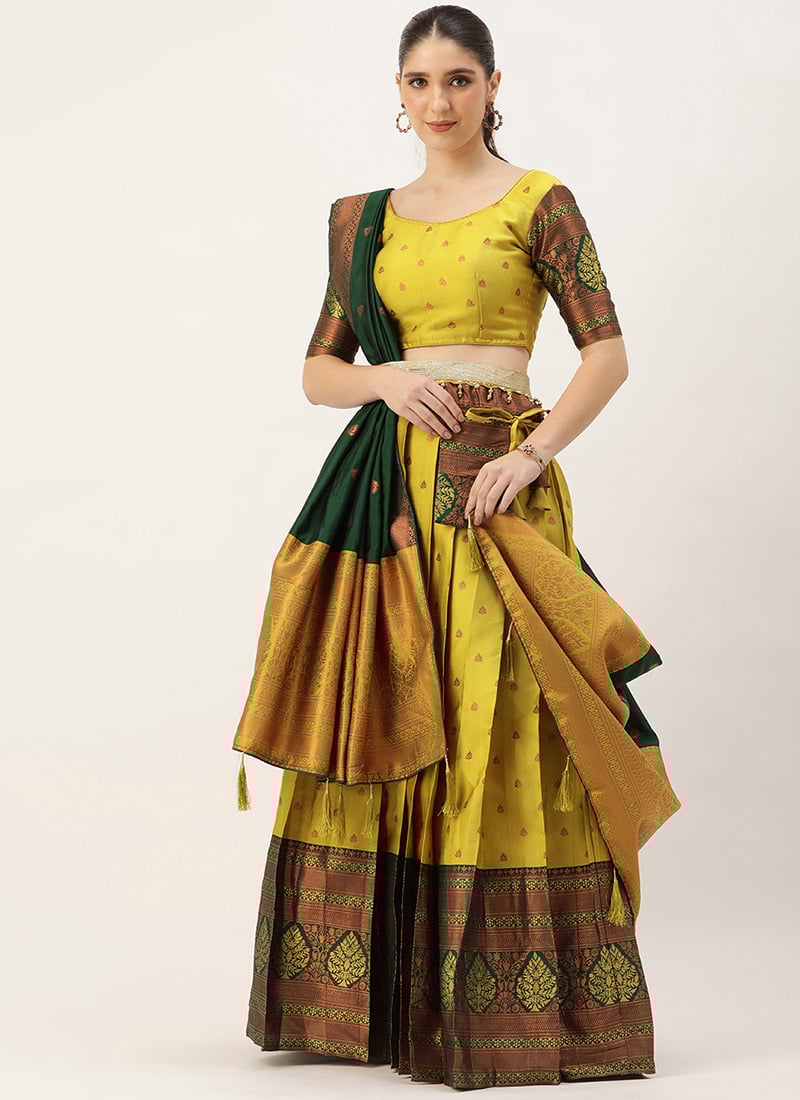
For summer or outdoor weddings, breathable fabrics like chiffon, georgette, and cotton blends are ideal. They keep you cool and allow easy movement. Heavier fabrics like velvet or silk are better suited for winter or evening functions.
Choosing the right fabric ensures you don’t spend the entire event adjusting your outfit instead of enjoying it.
4. Missing the Cultural Context
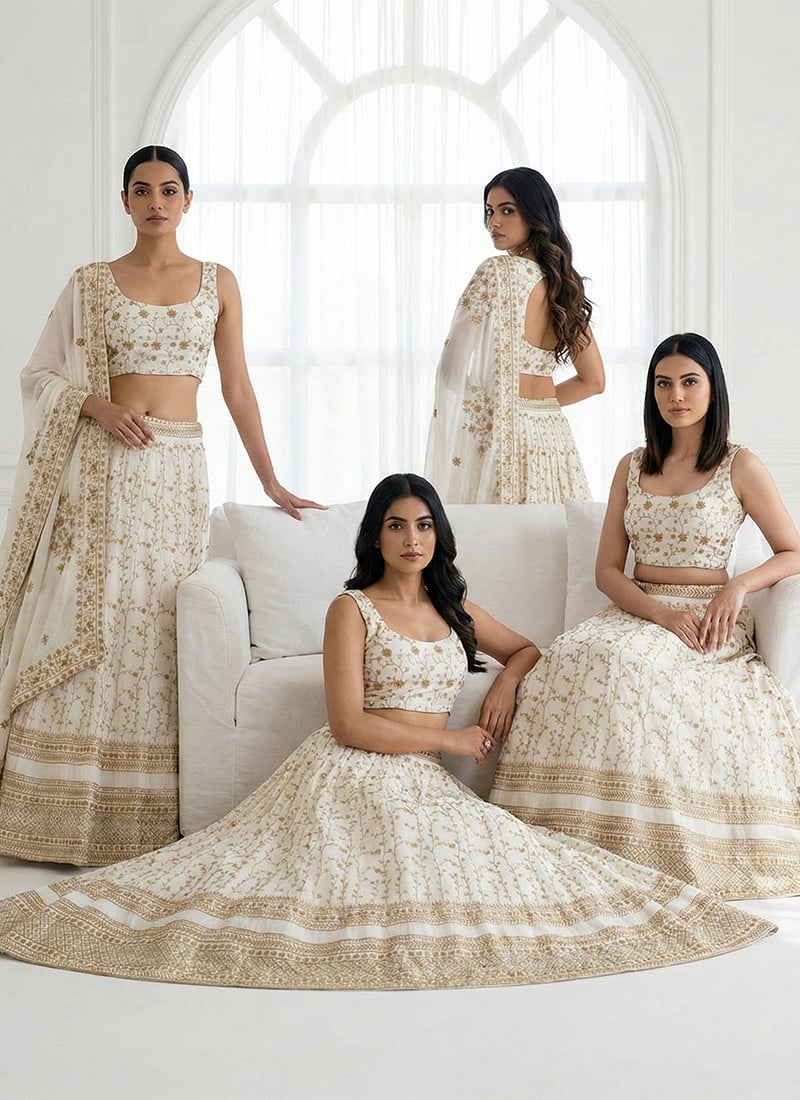
Indian weddings come with deep-rooted traditions, and your outfit should respect that. Wearing white (often associated with mourning) or black (sometimes avoided in traditional ceremonies) may not always be appropriate.
Similarly, wearing red which is typically reserved for the bride can unintentionally draw attention away from her.
If you’re unsure, it’s always safer to choose festive colours and traditional silhouettes. Exploring curated wedding collections can help you stay aligned with cultural expectations without overthinking.
5. Choosing the Wrong Footwear
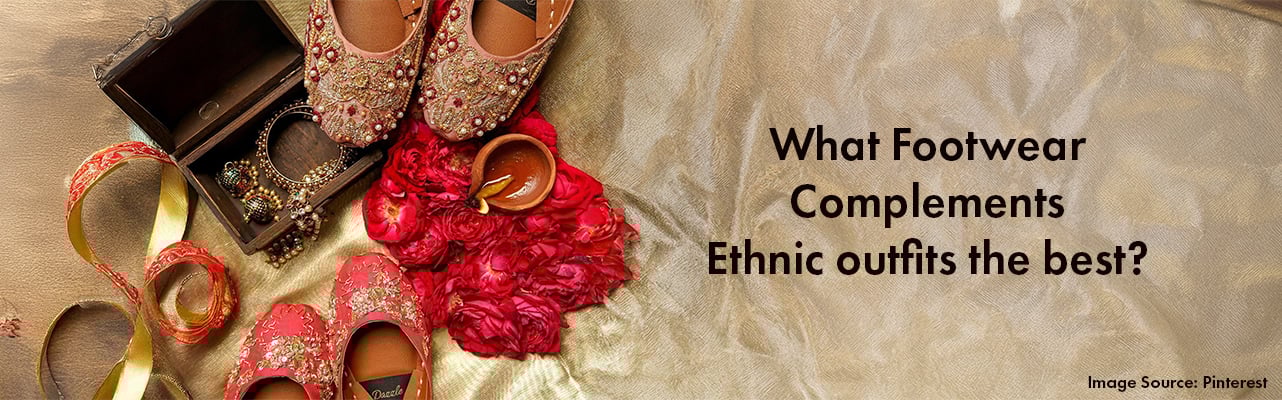
Footwear is often overlooked, but it can make or break your entire look. Super high heels might look great, but they can be uncomfortable for long hours especially when you’re standing, walking, or dancing.
For traditional outfits like lehengas or sarees, juttis or mojaris are a safe and stylish option. For Indo-western looks, strappy sandals or block heels work well.
The goal is simple: choose footwear that complements your outfit and lets you move comfortably.

6. Overloading Accessories
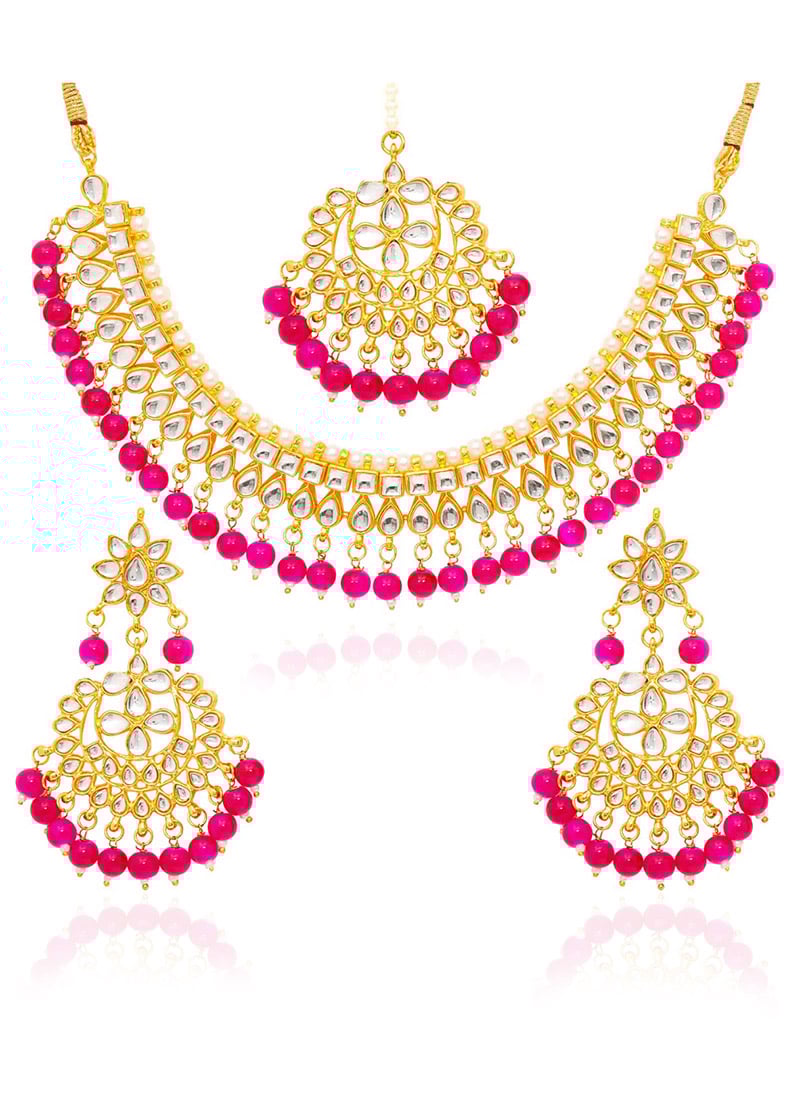
Accessories should enhance your outfit, not overpower it. Wearing heavy earrings, a statement necklace, bangles, and a maang tikka all at once can make your look feel cluttered.
Instead, follow a simple rule: pick one or two statement pieces and keep the rest minimal. This creates a balanced and polished look without going overboard.
7. Forgetting to Dress for the Weather
Indian weddings happen everywhere from indoor venues to outdoor gardens and destination locations. Ignoring the weather can lead to serious discomfort.
Wearing heavy velvet at a humid outdoor event or delicate fabrics in windy conditions can make things difficult. Always consider the venue and climate before choosing your outfit.
If you’re attending multiple events, having a mix of lightweight and slightly heavier outfits gives you flexibility.
8. Ignoring Dupatta Styling
The dupatta is a key part of many Indian outfits, but it’s often treated as an afterthought. Poor draping or constantly slipping dupattas can ruin an otherwise perfect look.
Whether you choose a classic shoulder drape, a belted style, or a modern pre-stitched option, make sure it stays in place and complements your outfit. You can also explore mix-and-match collections to find dupattas that elevate your overall look.


You May Also Like

Top 5 Indian Wedding Lehenga Fabrics: From Traditional Silks to Modern Materials

9 Best Fabrics for a Wedding Sharara Dress Popular Among South Asian Brides in the USA