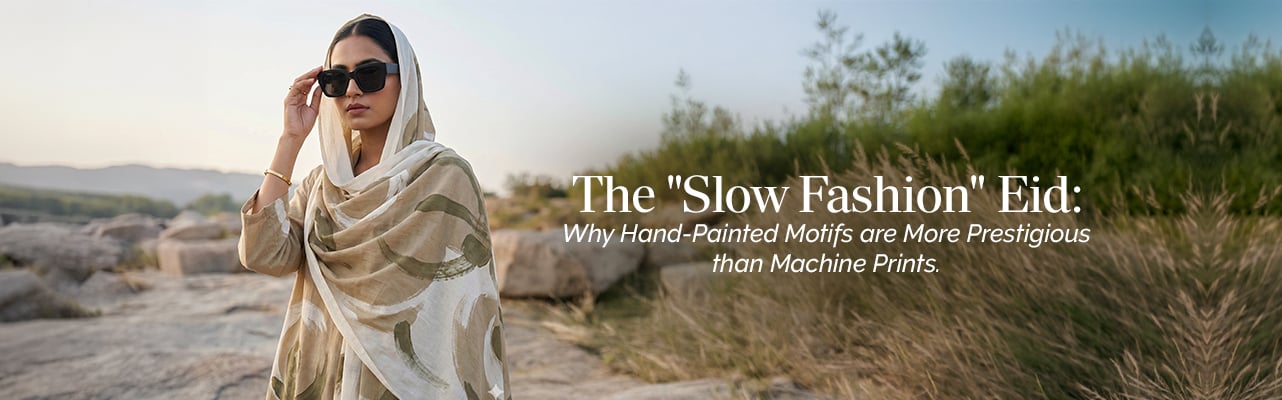
The “Slow Fashion” Eid: Why Hand-Painted Motifs are More Prestigious than Machine Prints.
Eid has always been more than a festival in India. It is a celebration of faith, family, generosity, and beauty. What we wear on Eid is not merely clothing—it is an expression of respect for tradition, craftsmanship, and cultural continuity. In recent years, a quiet but powerful shift has been taking place in Indian festive fashion: a move away from mass-produced machine prints and toward hand-painted, hand-crafted garments that embody the philosophy of slow fashion.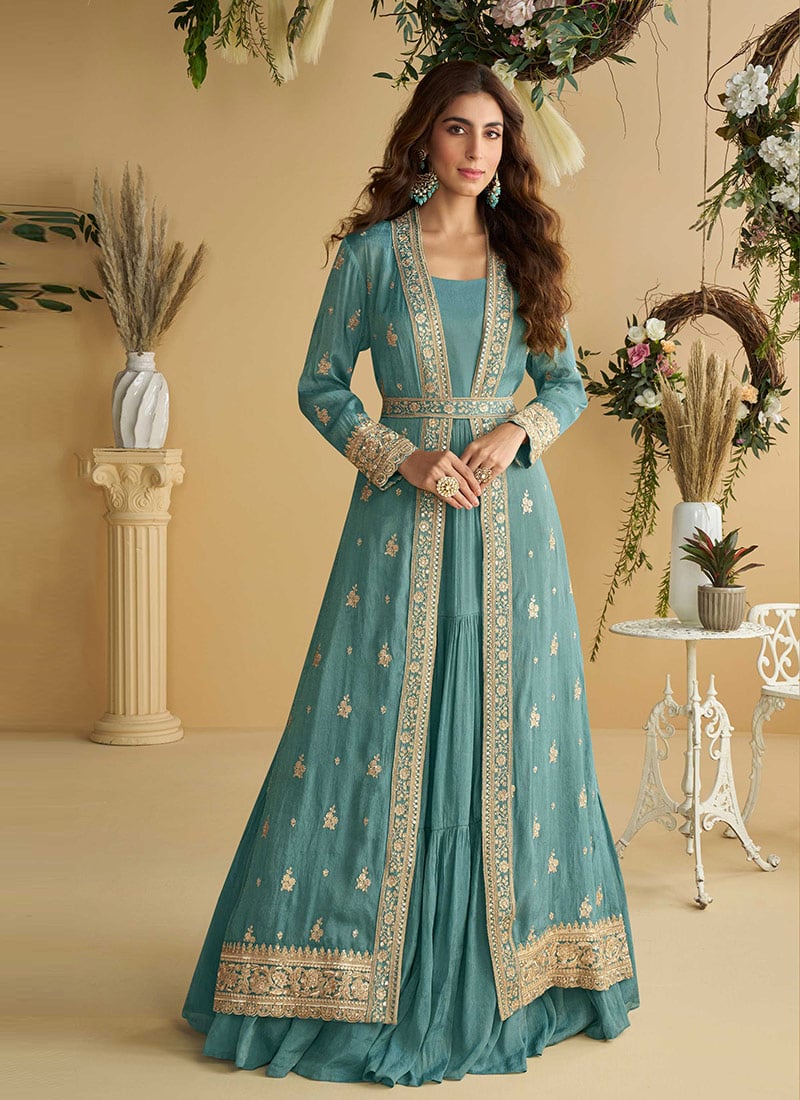
In the context of Indian Eid wear—whether it is kurtas, anarkalis, shararas, ghararas, kaftans, or dupattas—hand-painted motifs are increasingly being seen as more prestigious, meaningful, and timeless than machine-made prints. This is not a trend driven by luxury alone, but by values: sustainability, heritage, individuality, and artistry.
Understanding the Concept of Slow Fashion in Indian Ethnic Wear
What Is Slow Fashion?
Slow fashion is a mindful approach to clothing that focuses on quality, sustainability, and ethical production rather than fast-changing trends. It encourages people to buy fewer clothes, choose better fabrics, and support artisans and brands that respect workers and the environment. Unlike fast fashion, slow fashion values timeless designs, durability, and cultural craftsmanship. This movement helps reduce textile waste, pollution, and unfair labor practices while promoting conscious consumption.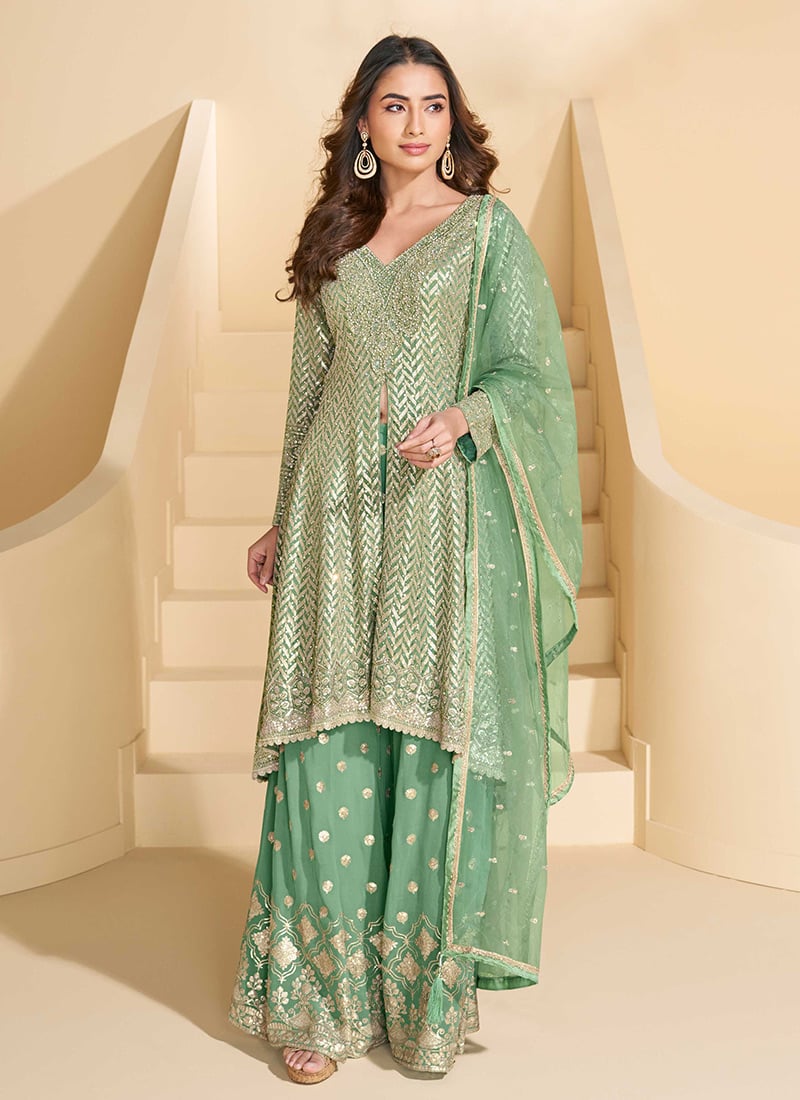
Slow fashion is especially meaningful when choosing Eid outfits, as Eid is a celebration of tradition, values, and gratitude. Opting for handcrafted kurtas, elegant sarees, or well-tailored salwar suits made from natural fabrics not only enhances festive elegance but also supports local weavers and designers. A thoughtfully chosen Eid outfit can be worn for years, becoming a part of cherished memories. By embracing slow fashion, you celebrate Eid with style, responsibility, and respect for both people and the planet.
How Slow Fashion Aligns with Indian Craft Traditions
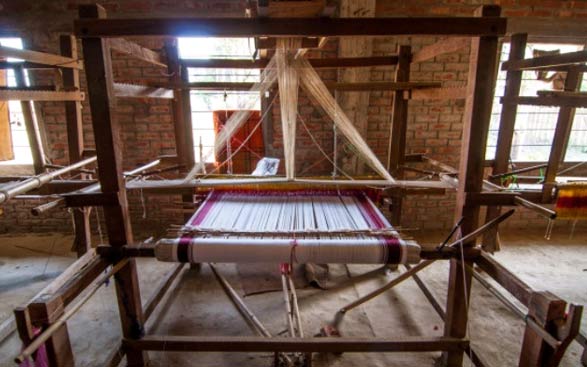
Slow fashion beautifully aligns with India’s rich craft traditions by valuing time, skill, and sustainability over mass production. Handloom weaving, intricate embroidery, block printing, and natural dyeing reflect generations of artisan knowledge, where every piece tells a cultural story. These age-old techniques promote ethical fashion by supporting local craftsmen and reducing environmental impact. When it comes to Eid outfits, slow fashion encourages thoughtfully crafted ensembles like handwoven kurtas, chikankari salwar suits, or zari-detailed dupattas. Such Eid attire blends tradition with mindful luxury, allowing you to celebrate the festival in garments that are timeless, meaningful, and respectful of both culture and craftsmanship.
Eid Celebrations and the Cultural Importance of Indian Outfits
Why Indian Ethnic Wear Dominates Eid Fashion
Indian ethnic wear has become a defining element of Eid fashion because it beautifully blends tradition, elegance, and modern versatility. Eid is a celebration of faith, family, and festivity, and Indian ethnic outfits perfectly reflect this spirit through rich fabrics, graceful silhouettes, and intricate craftsmanship.
Sarees : remain a timeless choice for Eid, especially among women who prefer classic elegance. Lightweight georgette, chiffon, or silk sarees adorned with zari, sequins, or embroidery offer a regal yet comfortable look for long celebrations. They symbolize grace and cultural richness, making them ideal for festive gatherings.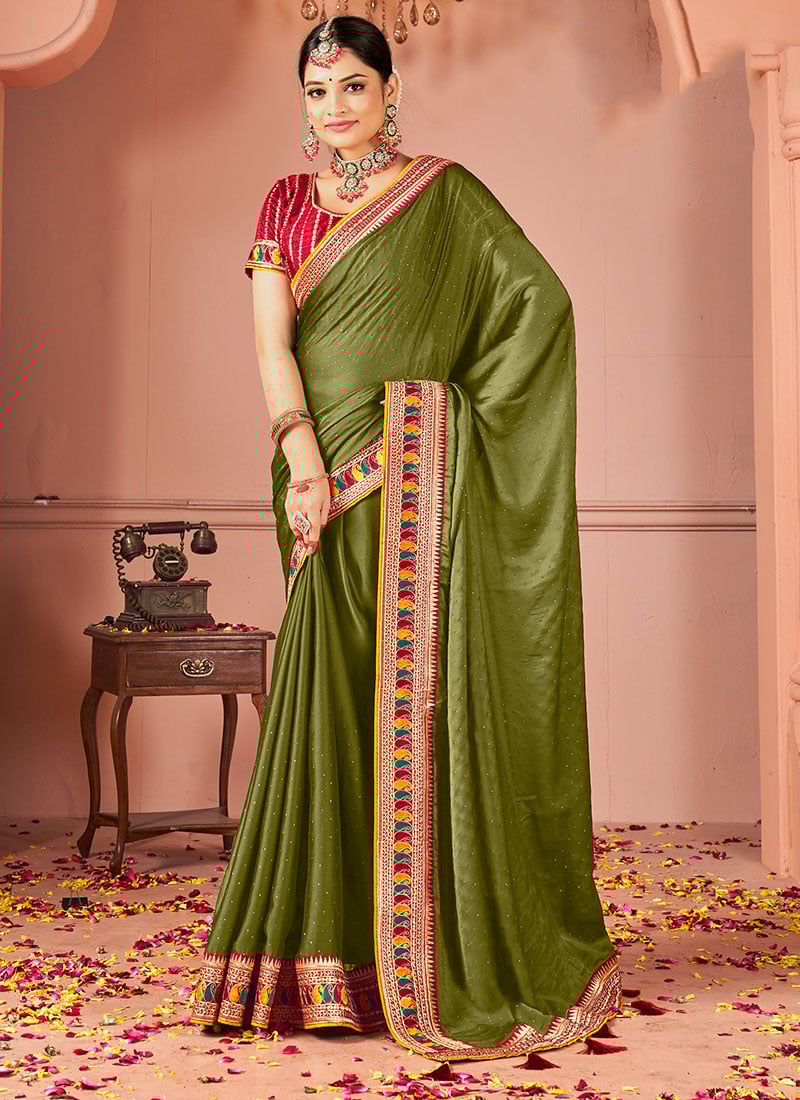
Anarkalis : are another popular Eid favorite due to their flowing silhouettes and royal appeal. Inspired by Mughal-era fashion, Anarkali suits feature flared cuts and detailed embellishments that add drama and sophistication. They are perfect for those who want a modest yet glamorous outfit.
Kaftans : dominate modern Eid fashion for their comfort and effortless style. With loose fits, breathable fabrics, and subtle embellishments, kaftans are ideal for daytime prayers as well as evening get-togethers, especially in warm climates.
Sharara suits : bring a festive charm with their wide-legged bottoms and ornate detailing. Often paired with short kurtis and dupattas, shararas create a celebratory look that feels both traditional and trendy.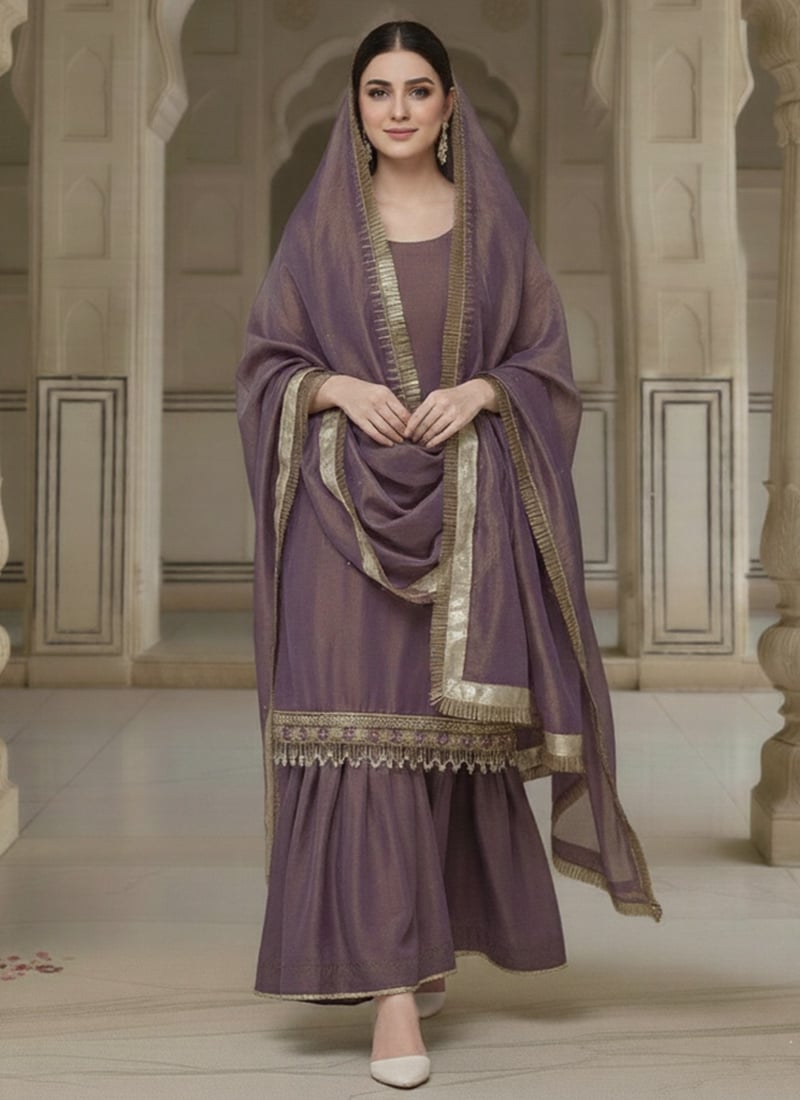
Lehengas : are preferred for grand Eid dinners and special occasions. Their rich embroidery, vibrant colors, and luxurious fabrics make them stand out, offering a perfect blend of tradition and celebration.
kurta sets : are universally loved for their simplicity and versatility. Suitable for all age groups, they range from minimal everyday styles to heavily embroidered festive designs, making them a staple of Eid wardrobes.
Emotional and Cultural Value of Traditional Clothing
Traditional clothing carries deep emotional and cultural value, especially during festivals like Eid. It is not just about fabric or design, but about identity, heritage, and the feelings attached to shared traditions. What you wear on Eid often becomes part of family memories. A hand-painted outfit holds emotional weight because it feels personal, thoughtful, and deeply connected to tradition. Such garments reflect the time, care, and creativity invested in celebrating the occasion, making them far more meaningful than mass-produced attire.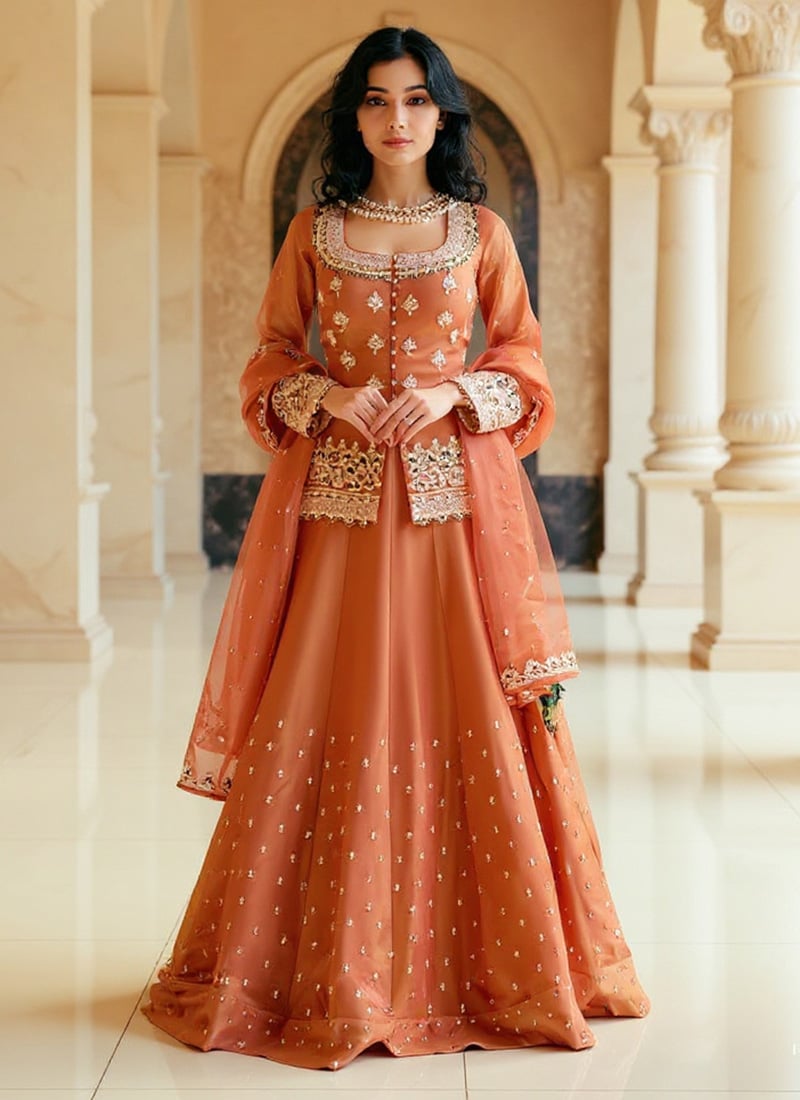
Traditional outfits often remind people of their roots, elders, and cultural stories passed down through generations. Wearing them creates a sense of belonging and continuity, linking the present to the past. On Eid, these clothes become symbols of joy, gratitude, and togetherness, captured in photographs and remembered in conversations for years. Ultimately, traditional clothing transforms celebrations into lasting emotional experiences.
Why are hand-painted outfits more expensive than machine prints?
Hand-painted outfits hold a special charm that sets them apart from machine-printed attire, especially during festive occasions like Eid. The primary reason for their higher price lies in the craftsmanship involved. Each design is meticulously created by skilled artisans, often taking hours or even days to complete a single garment. This level of attention to detail ensures that every motif, pattern, and color placement is unique, giving your Eid outfit a personalized and luxurious appeal.
Unlike machine prints, which are mass-produced and uniform, hand-painted designs carry a sense of individuality and authenticity. The artisans’ creativity and expertise add intrinsic value to the fabric, making it not just clothing but wearable art. Moreover, the labor-intensive process requires precision, patience, and artistic skill, all of which contribute to the higher cost.
Additionally, hand-painted fabrics often use premium quality dyes and paints that maintain their vibrancy and longevity, ensuring your Eid ensemble remains stunning season after season. Choosing a hand-painted outfit for Eid is not just about style—it’s a celebration of tradition, artistry, and exclusivity. Wearing such a piece makes your festive look truly special, elegant, and one-of-a-kind.
The Role of Color in Hand-Painted Eid Wear
Hand-painted Indian outfits are a celebration of artistry, culture, and color. Every brushstroke is deliberate, and the choice of colors plays a pivotal role in bringing these garments to life. Designers often rely on carefully curated color palettes to convey mood, elegance, and festive spirit. Ivory, beige, and ecru bases are popular for their understated sophistication, offering a neutral canvas that highlights intricate hand-painted patterns. For grand celebrations and evening Eid events, jewel tones like emerald, sapphire, and ruby bring richness and vibrancy, evoking a sense of luxury and opulence. Soft pastels, on the other hand, are perfect for daytime gatherings, providing a fresh, delicate aesthetic that reflects light and complements the celebratory atmosphere.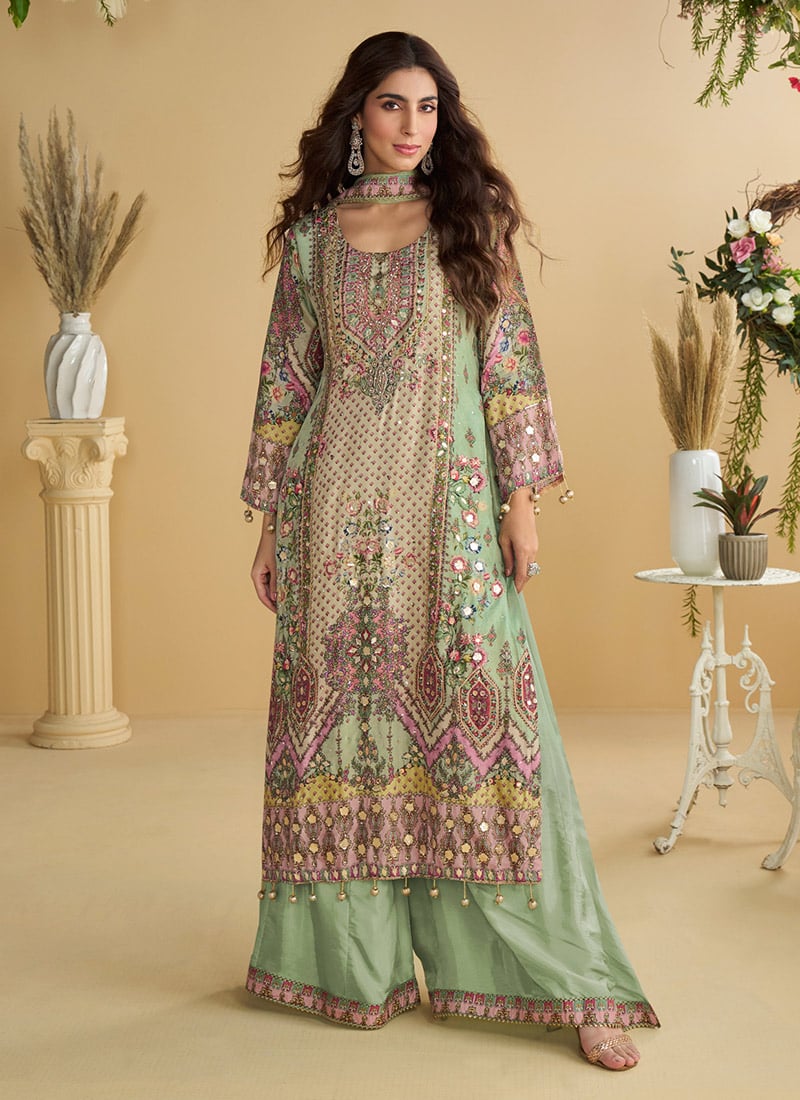
Unlike machine-printed fabrics, these colors are layered meticulously by hand, creating depth, texture, and subtle variations that make each outfit unique. The interplay of shades ensures the garments not only look stunning in person but also photograph beautifully, capturing the true essence of festive elegance. In hand-painted Eid wear, color is more than decoration—it is an expression of tradition, craftsmanship, and personal style, making every outfit a wearable piece of art.
Conclusion
This Eid, prestige lies not in mass appeal but in mindful choices. Hand-painted motifs embody the essence of slow fashion—heritage, sustainability, exclusivity, and emotional depth. Choosing them over machine prints is not just a fashion decision; it is a cultural and ethical statement. At Cbazaar, every hand-painted Eid outfit is crafted with meticulous care, reflecting artistry passed down through generations and celebrating the beauty of individuality. These ensembles are more than clothing—they are stories woven in fabric, carrying the soul of Indian craftsmanship. As slow fashion continues to shape the future of Indian festive wear, hand-painted Eid outfits stand as timeless symbols of grace, intention, and true luxury. By embracing these creations, you honor tradition while making an environmentally conscious choice, proving that elegance and responsibility can coexist seamlessly in modern celebration. This Eid, let your style speak with purpose through Cbazaar’s exquisite collection.
Slow Fashion Eid: Hand-Painted Over Machine Prints FAQ
- Are hand-painted Indian outfits suitable for Eid celebrations?
Yes, hand-painted Indian outfits are perfect for Eid celebrations. They combine traditional craftsmanship with vibrant, festive designs, making you stand out gracefully. Their unique artistry adds elegance, cultural charm, and a personalized touch to your festive wardrobe
- Does Cbazaar offer hand-painted Eid outfits?
Yes, Cbazaar offers a curated collection of hand-painted Eid outfits. Each piece features intricate, artisanal designs, blending traditional craftsmanship with contemporary style, perfect for a unique and festive look that stands out during Eid celebrations.
- Can hand-painted outfits be worn beyond Eid?
Absolutely! Hand-painted outfits are versatile and can be styled for many occasions beyond Eid. Their unique designs make them perfect for casual gatherings, festive parties, weddings, or cultural events. Pairing them with modern accessories or layering pieces can create fresh, everyday looks, extending their wearability throughout the year. With proper care, these artistic pieces remain vibrant and elegant, allowing you to enjoy their beauty far beyond a single celebration.
- Are hand-painted outfits only for women?
No, hand-painted outfits are not only for women. Men can also enjoy hand-painted clothing, including kurtas, jackets, shirts, and even trousers. These designs add a unique, artistic touch, making any outfit stand out and reflect personal style for all genders.
- What is slow fashion in Indian ethnic wear?
Slow fashion in Indian ethnic wear emphasizes quality over quantity, using traditional handloom, sustainable fabrics, and artisanal techniques. It values timeless designs, eco-friendly practices, and ethical production, promoting conscious shopping and preserving India’s rich textile heritage.
You May Also Like
Handloom Heritage
Chanderi – THE PRIDE OF MADHYA PRADESH