

What Breaks My Fast During Ramadan? Common Mistakes Explained
During the blessed month of Ramadan, Muslims around the world dedicate themselves to fasting from dawn (Fajr) until sunset (Maghrib). Fasting is one of the Five Pillars of Islam and is observed as an act of worship, self-discipline, and spiritual growth. However, many people—especially new Muslims, teenagers, or even long-time observers—often have questions about what exactly invalidates the fast and what does not.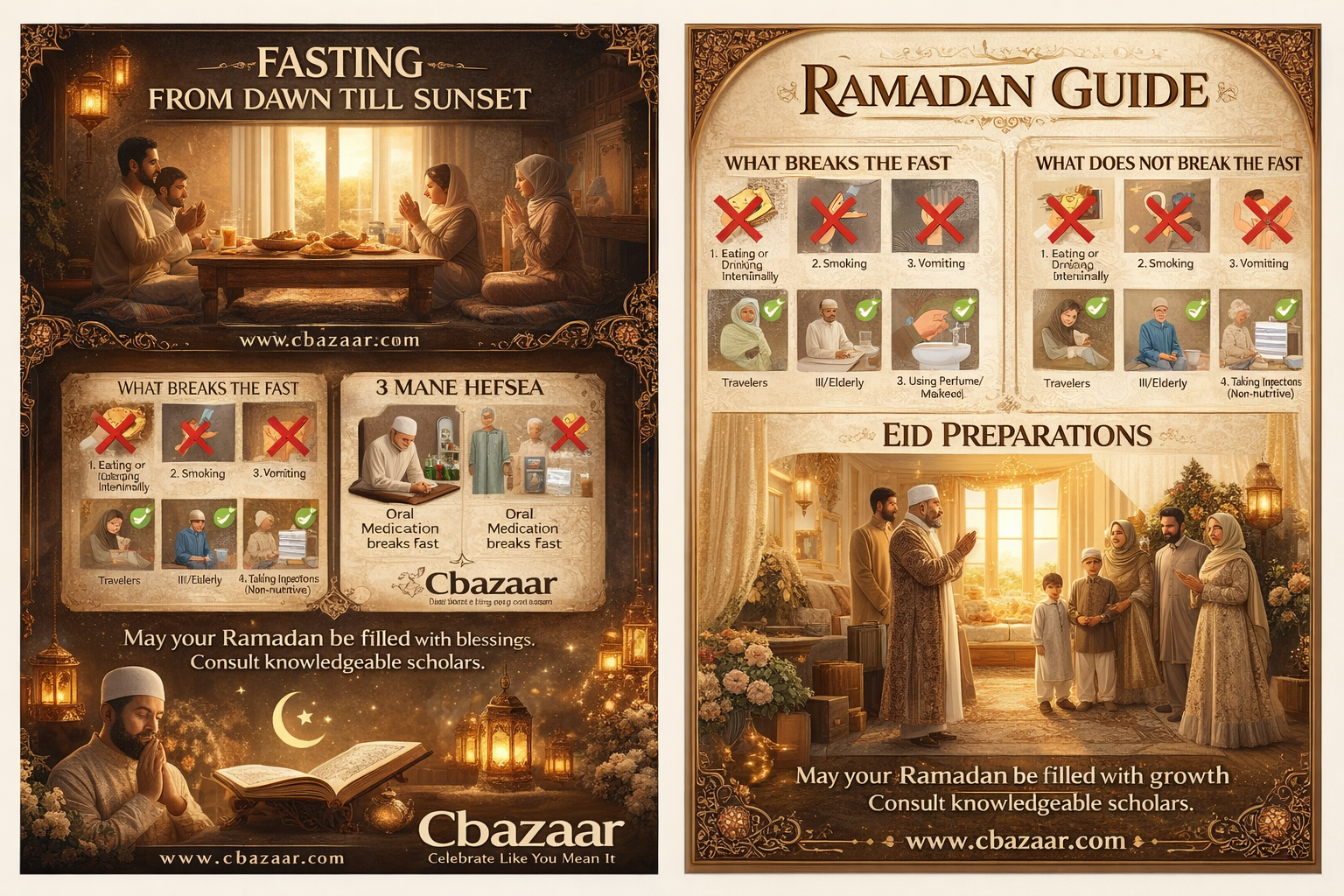
Understanding the Essence of Fasting
Fasting in Ramadan is more than simply refraining from eating and drinking. It is an act of worship that teaches discipline, self-control, gratitude, and empathy for those less fortunate. The fast begins at Fajr (true dawn) and ends at Maghrib (sunset). During these hours, a Muslim intentionally abstains from:
Food and drink
Marital intimacy
Actions that deliberately invalidate the fast
Intention (niyyah) plays a crucial role. The fast must be observed consciously for the sake of Allah.
What Breaks the Fast?
Here are the primary actions that invalidate the fast if done intentionally:
Eating or Drinking Intentionally
Consuming any food or drink deliberately during fasting hours breaks the fast, even if it is a small amount—such as a sip of water or a bite of food.
Smoking
Smoking cigarettes, vaping, or inhaling substances intentionally invalidates the fast because substances are entering the body deliberately.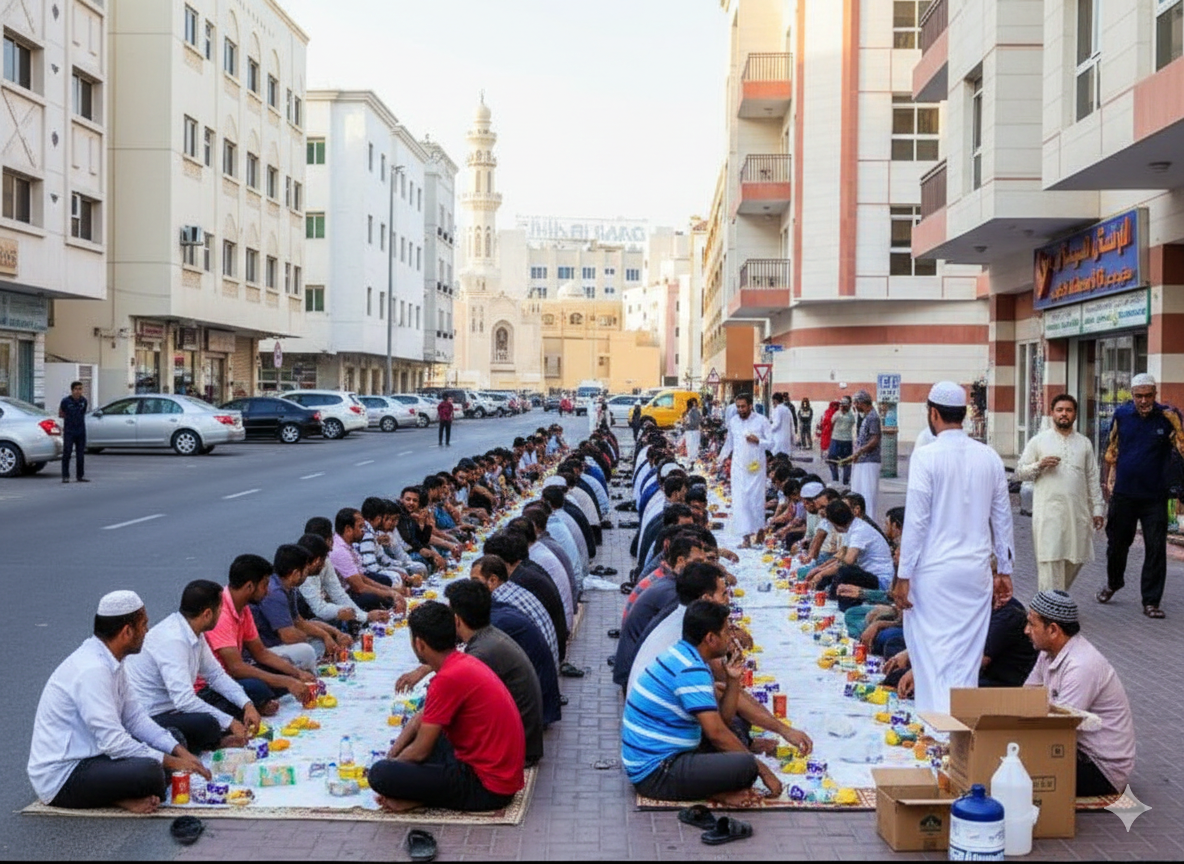
Intentional Vomiting
If a person forces themselves to vomit intentionally, the fast is broken. However, if vomiting occurs involuntarily due to illness or nausea, the fast remains valid.
Marital Intimacy
Engaging in sexual relations during fasting hours invalidates the fast and requires both making up the fast and, in some cases, expiation (kaffarah), depending on the circumstances.
What Does NOT Break the Fast?
Many everyday actions cause confusion, but they do not invalidate fasting when done correctly:
Forgetfully Eating or Drinking
If someone eats or drinks out of genuine forgetfulness, their fast remains valid. Once they remember, they should stop immediately and continue fasting. This is considered a mercy.
Brushing Teeth or Using Miswak
Brushing teeth does not break the fast as long as nothing is swallowed. Many scholars recommend being cautious and avoiding strong-flavored toothpaste during fasting hours. Using a miswak (natural tooth-cleaning stick) is permissible.
Using Perfume or Wearing Makeup
Applying perfume, deodorant, lotion, or modest makeup does not invalidate the fast. However, care should be taken to avoid inhaling substances intentionally in a way that resembles eating or drinking.
Taking Injections
Non-nutritive injections—such as vaccines, insulin, or necessary medical shots—do not break the fast. However, intravenous drips that provide nutrition may invalidate the fast. It is always wise to consult a knowledgeable scholar or medical professional if unsure.
Accidental Swallowing
If a small amount of water is accidentally swallowed while rinsing the mouth or during wudu (ablution), the fast remains valid, provided it was not intentional or excessive.
What About Medicine?
Taking oral medication during fasting hours breaks the fast because it involves swallowing something. If medication is necessary and cannot be delayed until after Maghrib, a person may be excused from fasting due to illness and should make up the missed days later.
For chronic illnesses where fasting may cause harm, Islamic law provides concessions. Those who cannot fast due to long-term health conditions may offer fidyah (feeding a person in need for each missed fast), according to scholarly guidance.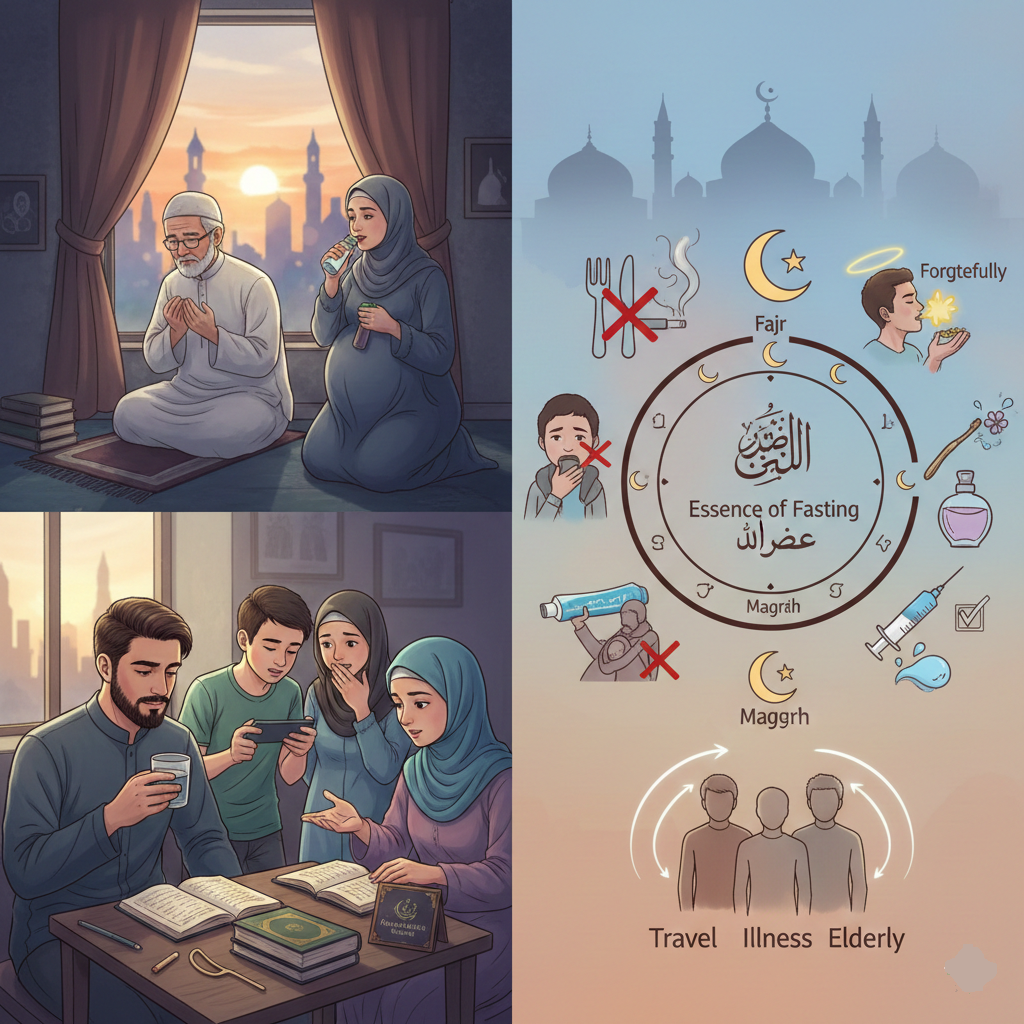
Travel, Illness, and Other Concessions
Islam is a religion of mercy, and fasting exemptions exist for certain situations:
Travelers may postpone fasting and make up the missed days later.
Those who are ill and whose condition may worsen by fasting are permitted to break their fast.
Pregnant or breastfeeding women who fear harm to themselves or their child may delay fasting.
Elderly individuals who are physically unable to fast are exempt and may give fidyah instead.
These allowances reflect compassion and flexibility within Islamic practice.
Spiritual Reminder: Fasting Beyond Hunger
While technical rules are important, Ramadan is far deeper than a checklist of do’s and don’ts. The Prophet Muhammad (peace be upon him) reminded believers that fasting is not only abstaining from food and drink but also from sinful speech and behavior.
Ramadan trains the soul in:
Patience
Gratitude
Self-discipline
Compassion for the less fortunate
Mindfulness of Allah
A person can avoid food all day yet miss the spiritual rewards if they neglect character and sincerity. Guarding the tongue, controlling anger, increasing prayer, and giving charity are essential elements of a meaningful fast.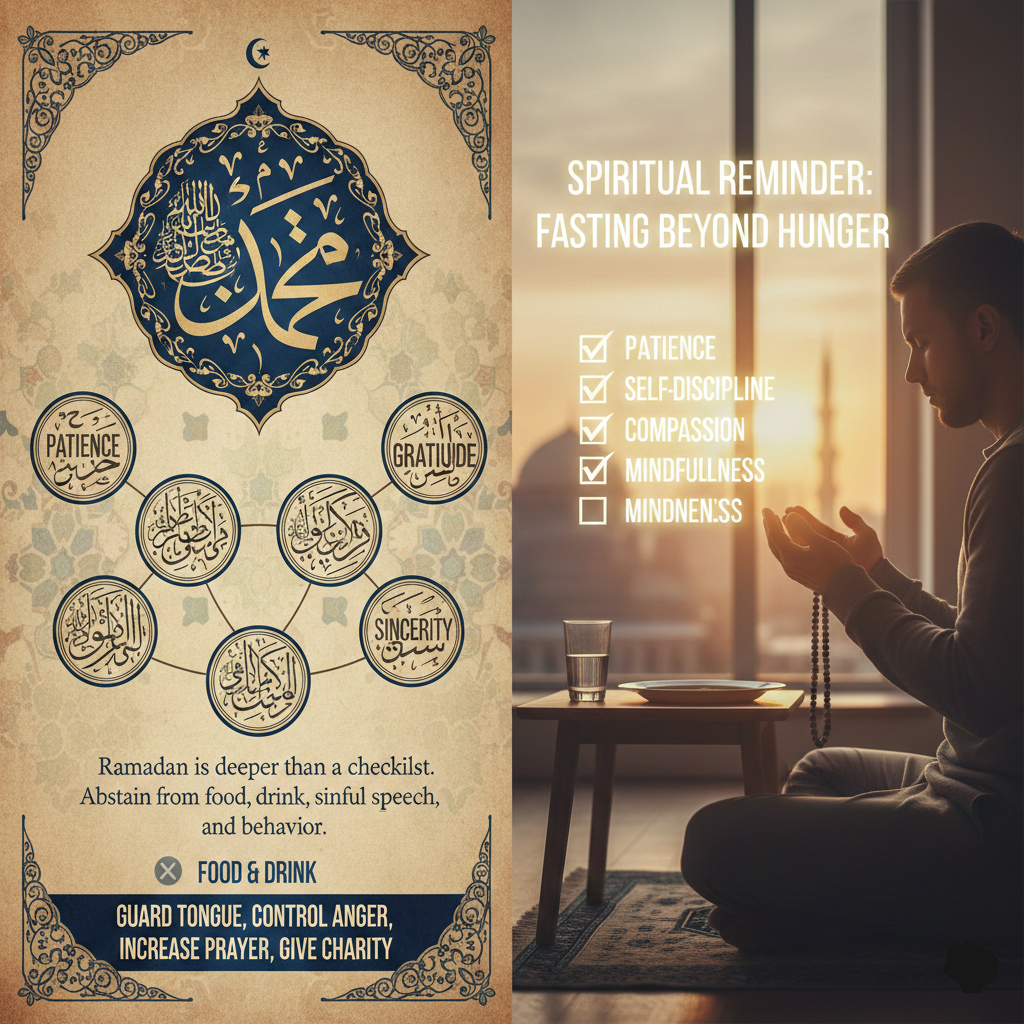
Preparing Spiritually & Practically for Eid
As the month progresses, it’s also a beautiful time to prepare for Eid—both spiritually and practically. Eid marks the completion of Ramadan and is a day of gratitude, community prayer, and joyful togetherness.
Dressing well on Eid is a Sunnah and a way to express happiness and thankfulness. Many families plan their outfits in advance to avoid last-minute stress.
At Cbazaar, you’ll find a thoughtfully curated collection for Eid celebrations, including:
Elegant modest dresses
Traditional salwar kameez
Stylish kurta sets for men
Coordinated family outfits
Ordering before the final week of Ramadan helps avoid delivery rushes and allows you to focus fully on worship, charity, and family time.
Final Thoughts
Understanding what breaks the fast—and what does not—helps you observe Ramadan with confidence and peace of mind. When in doubt, consult knowledgeable scholars and prioritize sincerity in your worship.
May your fasting be accepted, your prayers answered, and your Ramadan filled with spiritual growth and blessings.

You May Also Like

A Bride’s Guide to Affordable Wedding Dresses Without Compromising Style

10 Indian Lehenga Styles and Outfit Ideas for Weddings In 2023