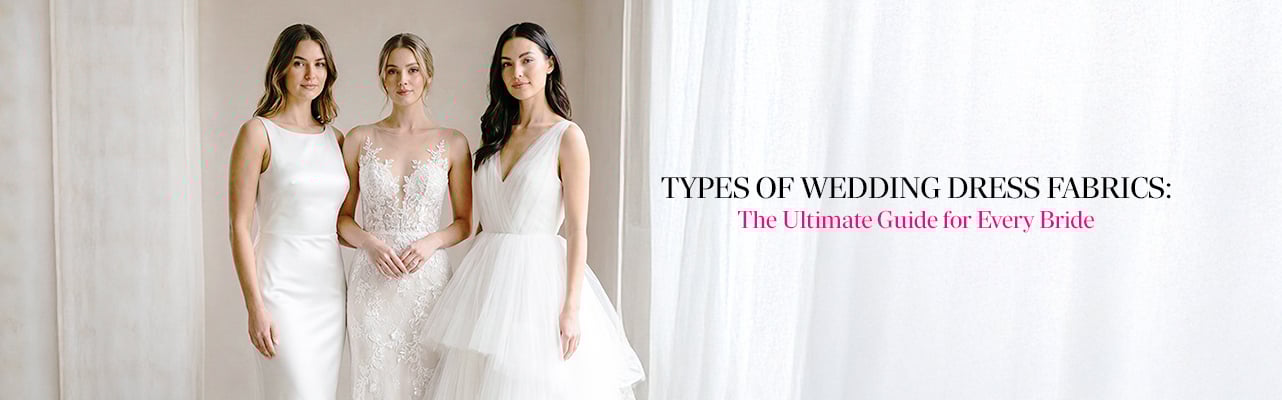
Types of Wedding Dress Fabrics: The Ultimate Guide for Every Bride
Choosing your wedding dress is one of the most exciting parts of wedding planning, but here’s something many brides don’t realize until they start shopping—the fabric is actually the foundation of your entire bridal look! Before you fall in love with a silhouette or get swept away by gorgeous embellishments, understanding wedding dress fabric types helps you make informed decisions that affect everything from how your dress photographs to how comfortable you’ll feel during your big day. The right fabric influences drape, structure, movement, and even how well your dress suits your venue and season. Some fabrics create romantic, flowing aesthetics while others offer structured elegance. In this ultimate guide, we’ll walk through everything you need to know about popular bridal fabrics including dreamy chiffon, romantic lace, sleek crepe wedding dress options, luxurious satin, airy organza, fairytale tulle, premium silk varieties, and more. By the end, you’ll feel confident choosing the perfect fabric that brings your bridal vision to life! 
Why Wedding Dress Fabrics Matter More Than You Think
Let me tell you, fabric choice matters way more than most brides initially realize! The difference between structured and flowy fabrics completely changes your dress’s character. Structured fabrics like satin, Mikado, and heavy silk hold their shape beautifully, creating architectural silhouettes perfect for ball gowns and fitted styles. They photograph with crisp lines and dramatic presence. Flowy fabrics like chiffon, georgette, and tulle create soft, romantic movement that catches beautifully in the breeze and photographs with dreamy, ethereal qualities.
Season, venue, and silhouette all depend heavily on fabric selection. Summer outdoor weddings call for breathable, lightweight fabrics that won’t leave you overheating, while winter celebrations allow luxurious heavier materials that photograph gorgeously and keep you warm. Beach venues suit flowy, casual fabrics, whereas formal ballrooms complement structured, luxurious materials. Your chosen silhouette also dictates appropriate fabrics—A-line dresses work with almost anything, but mermaid gowns need fabrics with stretch and structure, while empire waists shine in flowing materials.
Comfort, breathability, and movement are crucial considerations too! You’ll be wearing this dress for hours—walking, sitting, dancing, hugging guests, and creating memories. A fabric that looks stunning but restricts movement or causes discomfort will make your day less enjoyable. Breathable fabrics keep you comfortable during long ceremonies and receptions, while fabrics with good drape allow natural, graceful movement that photographs beautifully and lets you actually enjoy your celebration.
Top Wedding Dress Fabric Types Every Bride Should Know
Understanding the characteristics of different fabrics helps you communicate effectively with designers and make choices aligned with your vision, comfort needs, and wedding style. Let’s explore the most popular bridal fabrics and what makes each one special!
Chiffon – The Lightweight & Airy Bridal Favorite
Chiffon is that beautiful, sheer, lightweight fabric that feels like wearing a cloud! It’s soft, incredibly flowy, and wonderfully breathable—making chiffon dresses absolute favorites for warm-weather celebrations. This delicate fabric drapes beautifully and creates romantic movement with every step you take.
Why Choose Chiffon?
Chiffon works gorgeously for A-line silhouettes, sheath dresses, and destination or beach weddings where you want effortless elegance without heavy structure. It layers beautifully, so designers often use multiple chiffon layers to create depth and opacity while maintaining that airy, romantic feel. Chiffon photographs with soft, dreamy qualities and catches light beautifully, creating ethereal bridal looks perfect for outdoor ceremonies and sunset photography.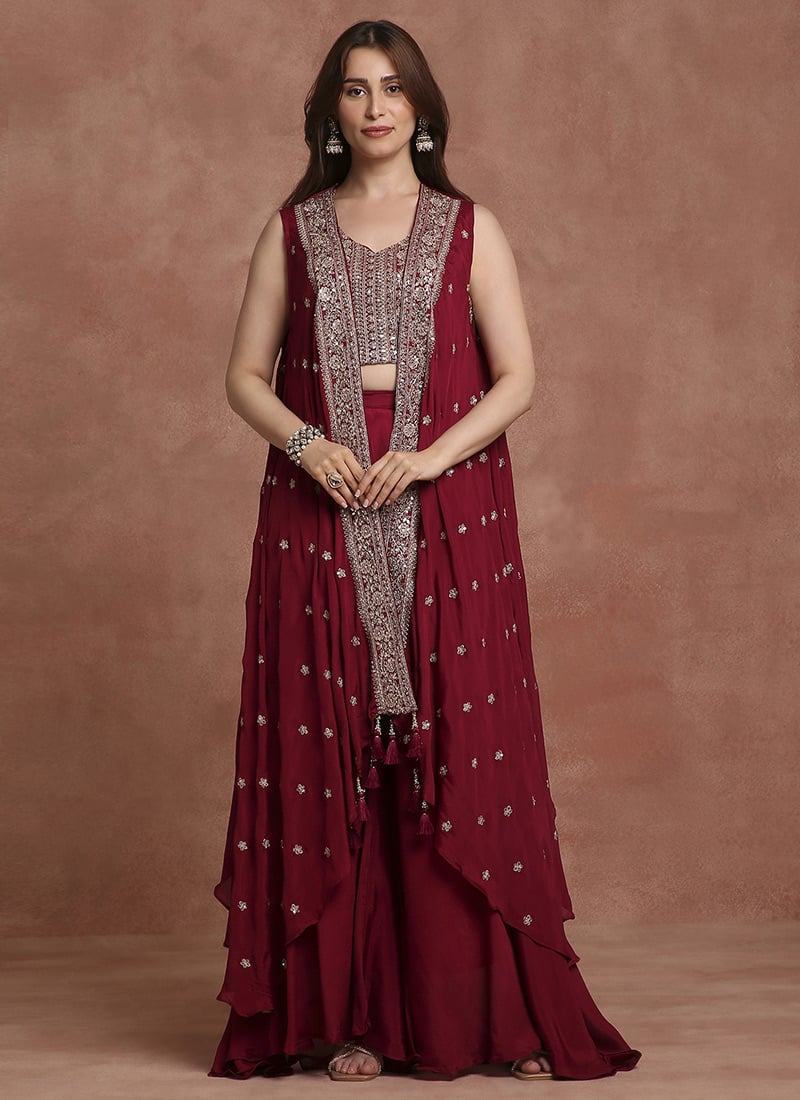
Pros: Lightweight and comfortable, breathable for warm weather, creates beautiful flowing movement, photographs dreamily, relatively affordable compared to silk.
Cons: Can be sheer and require lining, delicate and prone to snags, doesn’t hold structured shapes, may wrinkle during wear.
Lace – The Most Romantic Fabric for Wedding Dresses
Lace is timeless, romantic, and absolutely synonymous with bridal elegance! This intricate fabric adds texture, dimension, and that vintage-inspired beauty brides have loved for generations. Lace comes in various types including delicate Chantilly, detailed Alençon, bold Guipure, and elaborate embroidered varieties—each offering unique patterns and aesthetics.
Why Choose Lace?
Lace works beautifully for bohemian, classic, vintage, and romantic wedding styles. It’s incredibly versatile—used alone for sheer, daring looks or layered over silk, satin, or tulle for modest elegance with textured interest. Lace sleeves, bodices, backs, and overlays add sophistication and detail that photographs gorgeously. Modern brides love mixing lace with contemporary silhouettes for that perfect blend of traditional and trendy.
Pros: Timeless and romantic aesthetic, adds beautiful texture and detail, works for various wedding styles, can be layered or standalone, photographs with gorgeous dimension.
Cons: Can be expensive, especially hand-made varieties, may require special cleaning, can feel scratchy without proper lining, intricate patterns may overwhelm petite frames.
Crepe – Sleek, Modern & Minimalist Bridal Look
Crepe offers that sleek, sophisticated aesthetic minimalist brides absolutely adore! This fabric has a beautiful matte finish with subtle texture and gorgeous drape that skims the body elegantly. The crepe wedding dress style has surged in popularity as modern brides embrace clean lines and understated elegance.
Why Choose Crepe?
Crepe’s smooth texture and graceful fall make it perfect for minimalist silhouettes, fitted gowns, and contemporary designs. It works beautifully for slip dresses, sheath silhouettes, and modern ball gowns where you want elegance without excessive embellishment. Crepe is ideal for church ceremonies, indoor venues, and evening weddings where refined sophistication takes center stage. It photographs with clean, crisp lines that look incredibly polished and modern.
Pros: Sophisticated and modern aesthetic, comfortable with nice stretch, drapes beautifully on the body, doesn’t wrinkle easily, works year-round, photographs with clean lines.
Cons: Shows every curve (may require shapewear), can be less forgiving on fit, limited texture compared to other fabrics, may appear too simple for elaborate wedding styles.
Satin – Classic, Luxurious & Timeless
Satin is that classic bridal fabric with beautiful sheen and luxurious feel that never goes out of style! Its smooth surface reflects light gorgeously, creating that elegant, formal bridal aesthetic. Satin’s weight and structure make it perfect for ball gowns and structured silhouettes that make dramatic statements.
Why Choose Satin?
Satin’s rich shine and structured nature work beautifully for traditional, formal weddings where you want classic elegance and presence. It holds shape exceptionally well, making it ideal for voluminous skirts, structured bodices, and architectural details. Satin photographs with a beautiful dimension—the way it catches and reflects light creates stunning visual interest in photos. It works particularly well for evening weddings and formal venues where luxurious elegance is appropriate.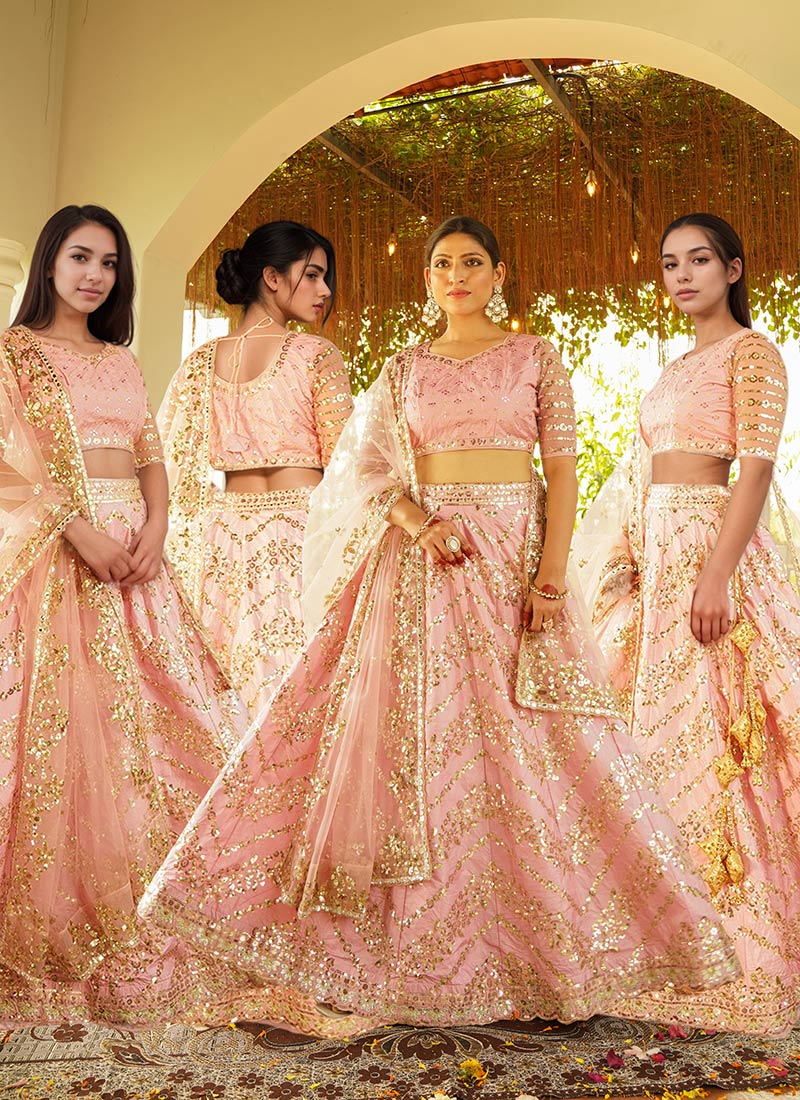
Pros: Luxurious appearance, holds structure well, photographs beautifully with light reflection, durable and long-lasting, works for formal aesthetics, available in various weights.
Cons: Can be heavy for extended wear, shows wrinkles easily, less breathable for warm weather, shiny finish may overwhelm some body types, requires professional cleaning.
Organza – Voluminous but Lightweight
Organza is that crisp, sheer fabric that creates volume without excessive weight! It’s stiffer than chiffon but lighter than traditional structured fabrics, offering the best of both worlds. Organza works beautifully for statement sleeves, layered skirts, and modern architectural details that need volume without bulk.
Why Choose Organza?
Organza has become incredibly popular for contemporary bridal designs featuring dramatic sleeves, layered skirts, or structured overlays. It’s a modern, airy alternative to heavier tulle that still creates impressive volume and shape. Organza holds form beautifully while remaining relatively lightweight, making it perfect for brides wanting dramatic silhouettes without feeling weighed down. It photographs with beautiful dimensions and works wonderfully for spring and summer weddings.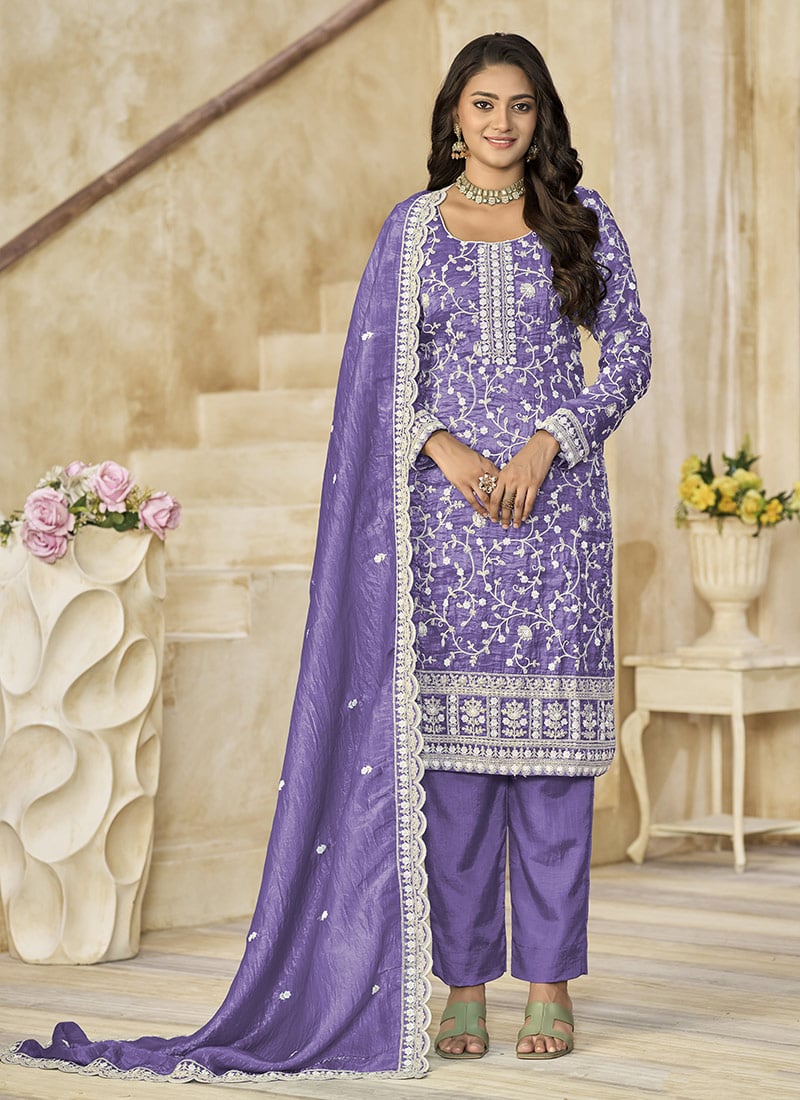
Pros: Creates volume without excessive weight, holds shape well, modern and contemporary aesthetic, works for statement details, relatively affordable, photographs with nice dimension.
Cons: Can wrinkle and crease, may feel scratchy without lining, transparent nature requires underlayers, can look stiff if not designed well.
Tulle – The Fairytale Bridal Fabric
Tulle is that dreamy, net-like fabric that screams princess bride! It’s used for veils, overlays, and those gorgeous princess ball gowns that create fairytale moments. Tulle comes in soft, flowing varieties and stiffer versions that hold more structured shapes—both creating different but equally beautiful effects.
Why Choose Tulle?
Soft tulle creates romantic, flowing layers perfect for ethereal, dreamy aesthetics, while stiffer tulle holds dramatic volume for classic princess ball gowns. Tulle works beautifully for creating fullness in skirts without excessive weight, and it’s commonly used for overlays that add dimension to simpler base fabrics. It’s incredibly versatile, working for various wedding styles from romantic garden ceremonies to formal ballroom receptions. Tulle photographs with beautiful movement and creates that iconic bridal silhouette many brides dream about. 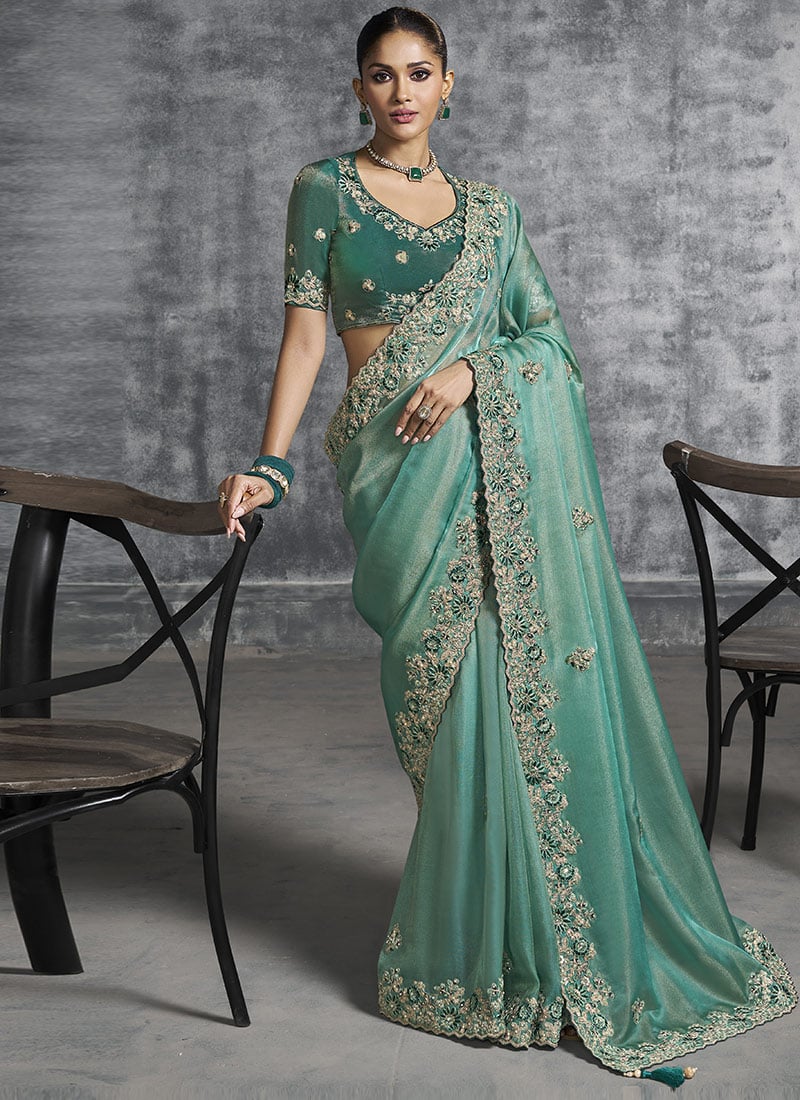
Pros: Creates beautiful volume and fullness, lightweight despite voluminous appearance, versatile for various styles, relatively affordable, iconic bridal aesthetic, photographs gorgeously.
Cons: Can snag easily, may require steaming before wear, some varieties feel scratchy, excessive tulle can overwhelm petite frames, may flatten during extended sitting.
Silk – The Gold Standard for Luxe Bridal Wear
Silk represents the absolute pinnacle of bridal fabric luxury! Available in varieties like structured Silk Mikado, flowing Silk Charmeuse, and lustrous Silk Satin, this natural fabric offers unmatched quality, breathability, and timeless elegance that synthetic alternatives simply can’t replicate.
Why Choose Silk?
Silk is breathable, naturally temperature-regulating, and feels absolutely luxurious against your skin. It drapes beautifully, photographs with stunning depth and dimension, and represents that high-end quality discerning brides seek. Different silk varieties suit different styles—Silk Charmeuse flows gorgeously for romantic silhouettes, Silk Mikado offers structure for architectural designs, and Silk Satin provides classic elegance. Silk is a worthwhile investment that photographs beautifully and feels incredible throughout your wedding day.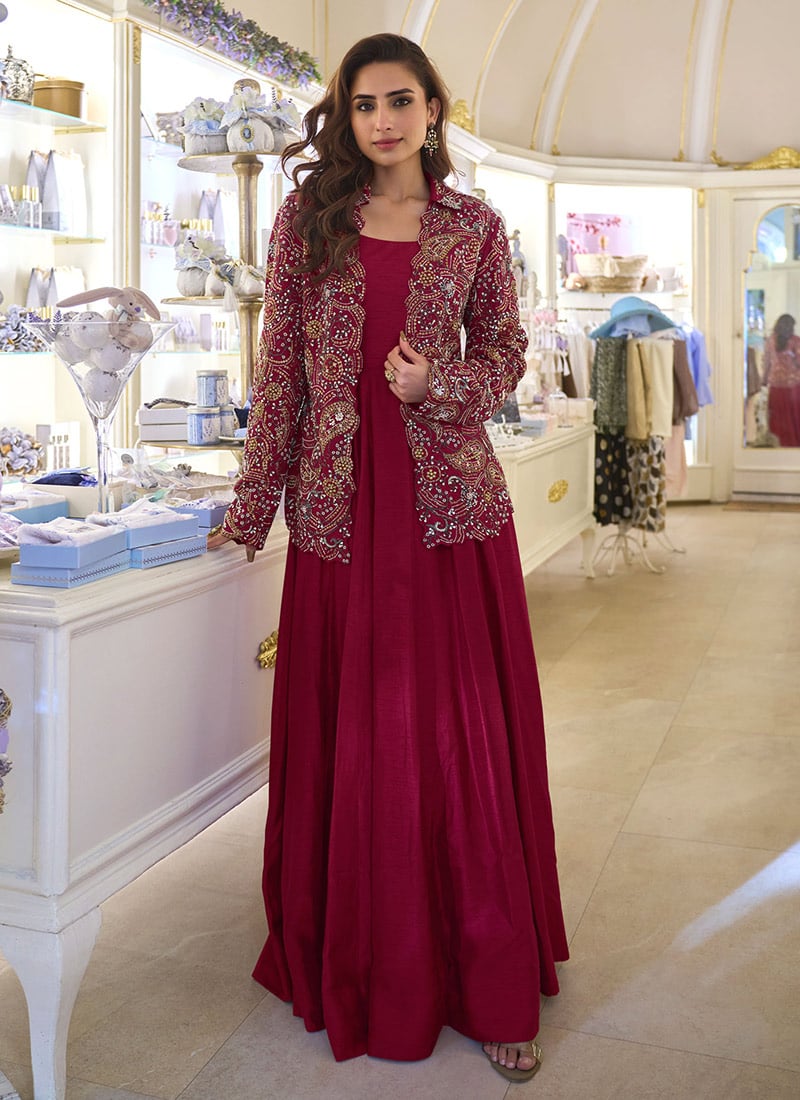
Pros: Luxurious feel and appearance, naturally breathable and temperature-regulating, drapes beautifully, timeless and elegant, photographs with gorgeous depth, durable when cared for properly.
Cons: Expensive compared to synthetic alternatives, requires professional cleaning, can water-spot, may show perspiration, wrinkles relatively easily, and requires careful handling.
Mikado – Structured and Elegant
Mikado is that beautiful silk-polyester blend offering structure and elegance perfect for architectural wedding dress designs! It’s heavier than most bridal fabrics with a subtle sheen and gorgeous drape that holds shape exceptionally well, making it ideal for dramatic, structured silhouettes.
Why Choose Mikado?
Mikado works beautifully for winter weddings and formal venues where you want substantial, structured elegance. It’s perfect for ball gowns, fit-and-flare silhouettes, and dresses with architectural details like dramatic trains, structured bodices, or voluminous skirts. Mikado photographs with beautiful, crisp lines and holds its shape throughout long wedding days. The fabric’s weight provides warmth for cooler weather while its subtle sheen adds elegance without excessive shine.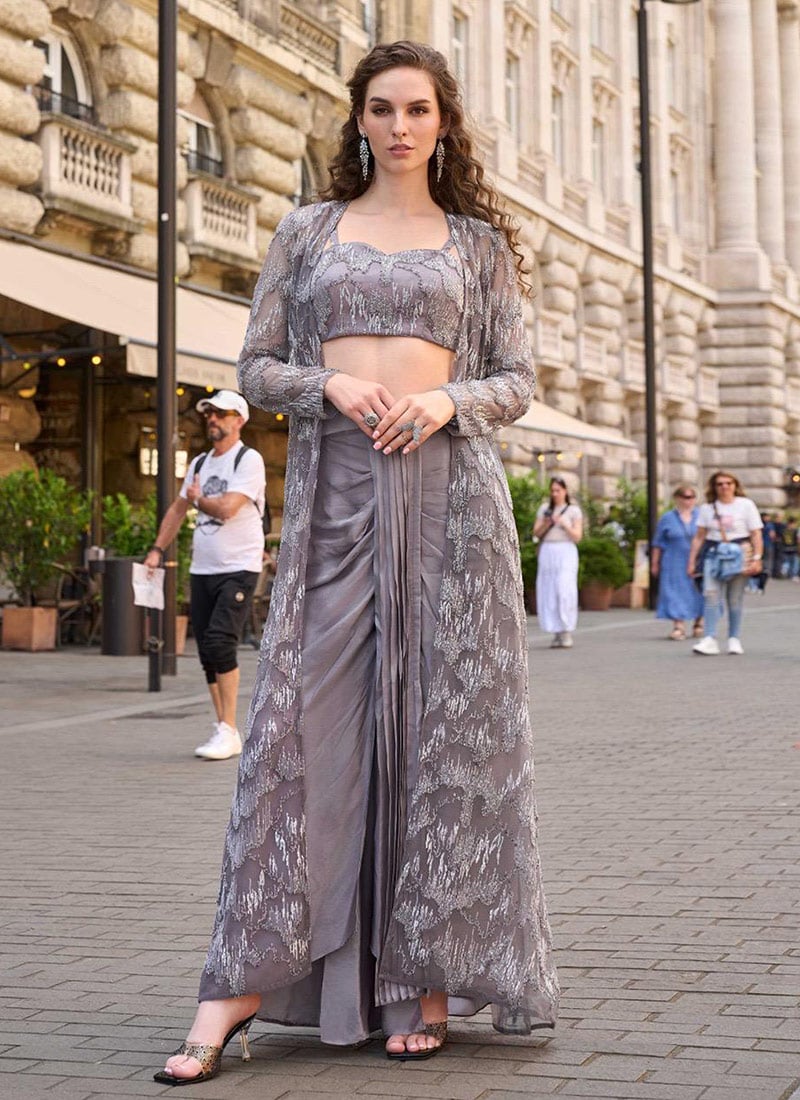
Pros: Holds structure exceptionally well, substantial without being too heavy, subtle elegant sheen, wrinkle-resistant, perfect for architectural designs, works for winter weddings.
Cons: Can be warm for summer celebrations, weight may be tiring during extended wear, less flowing movement, higher price point, may appear too structured for casual wedding styles.
Georgette – Soft, Smooth & Perfect for Movement
Georgette offers a beautiful matte finish with slightly crinkled texture and wonderful drape! This lightweight fabric feels soft and comfortable while creating elegant, flowing movement. Georgette works beautifully for simple yet elegant gowns where you want understated sophistication.
Why Choose Georgette?
Georgette’s soft texture and beautiful drape make it perfect for romantic, flowing silhouettes that move gracefully. It works wonderfully for destination weddings, outdoor ceremonies, and brides prioritizing comfort alongside elegance. Georgette photographs with soft, natural beauty and creates gentle, feminine movement. It’s versatile enough for various wedding styles from bohemian to classic, and layers beautifully when designers want to create depth without excessive weight.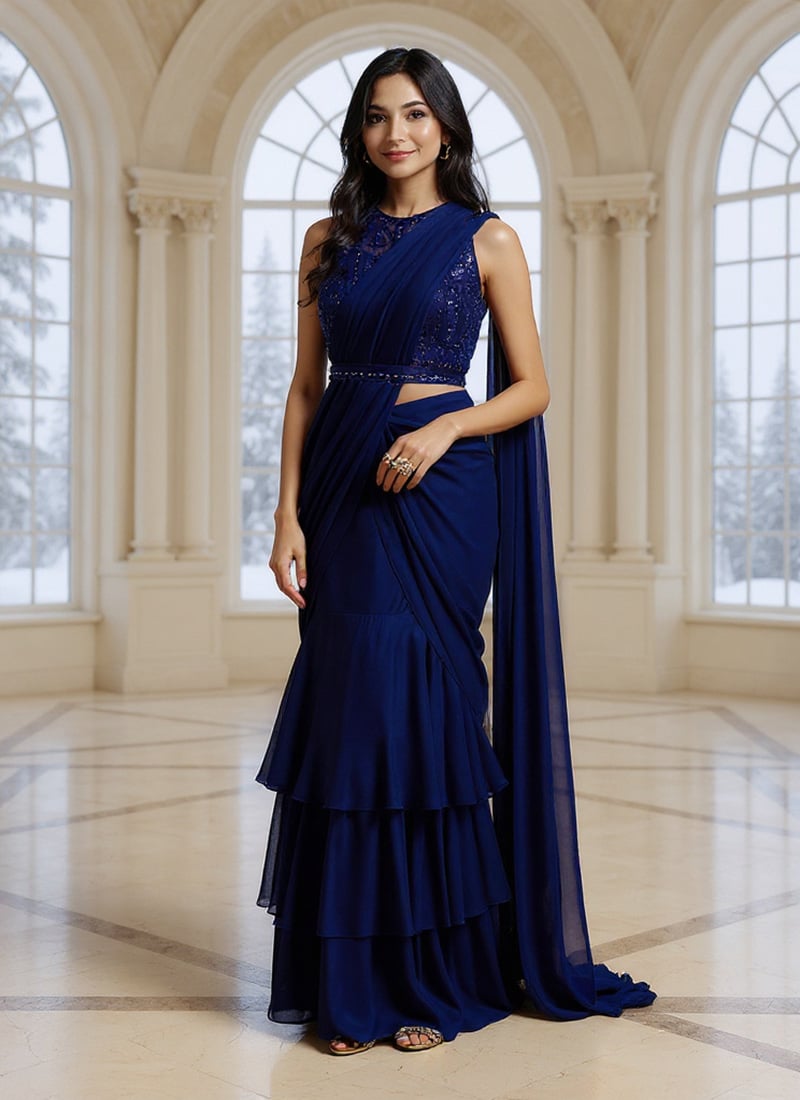
Pros: Lightweight and comfortable, beautiful soft drape, matte finish photographs well, breathable for warm weather, less likely to wrinkle than other fabrics, versatile for various styles.
Cons: May be too casual for very formal weddings, can be sheer and require lining, less structured than heavier fabrics, may not hold embellishments as well.
Wedding Dress Fabric Guide by Season
Choosing fabrics appropriate for your wedding season ensures you’ll be comfortable throughout your celebration while looking absolutely stunning!
Best Fabrics for Summer Weddings
Summer weddings call for lightweight, breathable fabrics that keep you comfortable in warm weather. Chiffon, georgette, organza, and tulle work beautifully for outdoor celebrations and destination weddings. These fabrics allow air circulation, don’t retain heat, and create flowing movement perfect for warm-weather aesthetics. Light silk varieties like silk charmeuse also work wonderfully if you’re seeking luxury without excessive weight.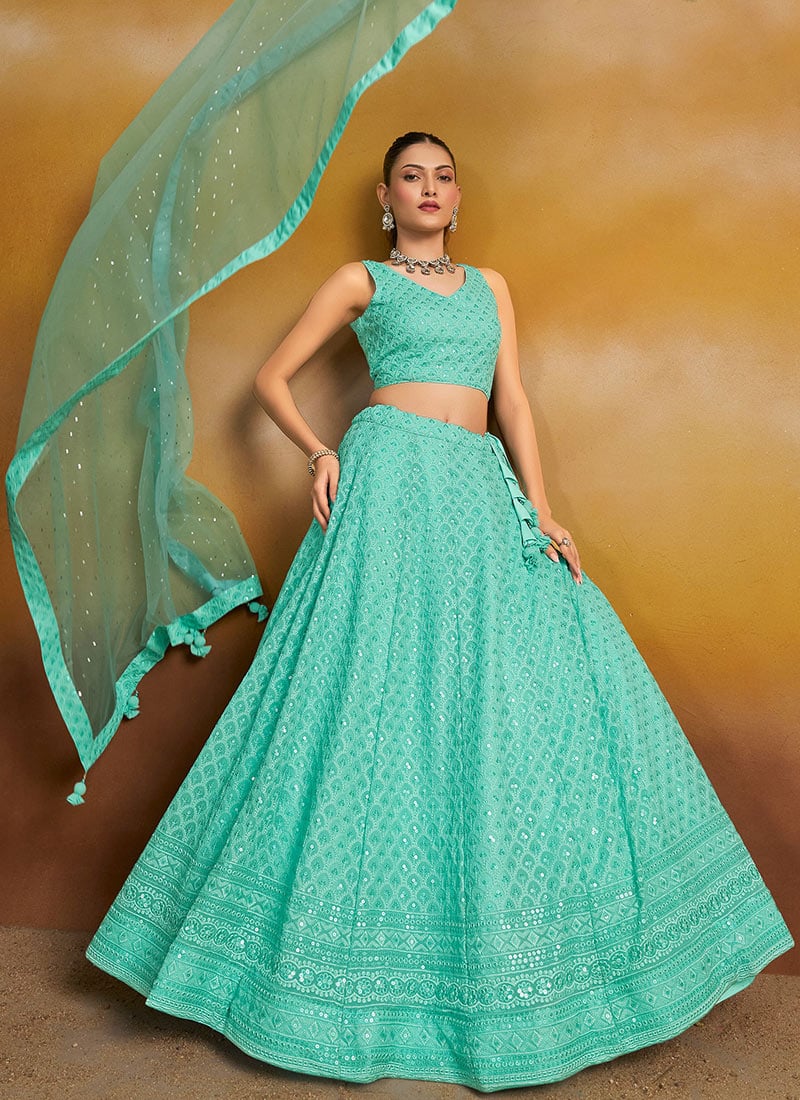
Best Fabrics for Winter Weddings
Winter celebrations allow gorgeous heavier fabrics that photograph beautifully and provide warmth. Satin, Mikado, velvet, and brocade create luxurious, substantial elegance perfect for formal winter venues. These fabrics’ weight and structure suit the season while their rich textures photograph gorgeously. Heavy silk varieties and structured crepe also work beautifully for winter brides seeking elegant warmth.
How to Choose the Right Fabric for Your Wedding Dress
Selecting your perfect fabric involves considering multiple factors beyond just aesthetics. Think about your body shape—flowy fabrics like chiffon suit most body types and create forgiving silhouettes, while structured fabrics like satin and Mikado work best when you want defined shapes. Consider your venue and climate carefully—outdoor summer weddings need breathable, lightweight options, while indoor, climate-controlled venues offer more flexibility. Your preferred silhouette also guides fabric choice—ball gowns need structured fabrics that hold volume, sheath dresses work with flowing or fitted materials, and A-line silhouettes suit virtually any fabric. Don’t forget practical considerations like maintenance and budget! Silk and lace require professional cleaning and careful handling, while synthetic fabrics may be more forgiving. Set a realistic budget that accounts for fabric quality—sometimes investing in better fabric creates better overall value than elaborate embellishments on cheaper base materials.
Comparing Popular Wedding Dress Fabric Types (Quick Table)
| Fabric | Texture | Ideal Silhouette | Season | Pros | Cons |
| Chiffon | Soft, flowing | A-line, sheath | Spring/Summer | Lightweight, breathable | Delicate, may wrinkle |
| Lace | Textured, intricate | All styles | Year-round | Romantic, timeless | Expensive, can be scratchy |
| Crepe | Smooth, matte | Fitted, sheath | Year-round | Modern, comfortable | Shows curves, less texture |
| Satin | Smooth, shiny | Ball gown, structured | Fall/Winter | Luxurious, holds shape | Heavy, wrinkles easily |
| Organza | Crisp, sheer | A-line, ball gown | Spring/Summer | Volume without weight | Can wrinkle, scratchy |
| Tulle | Net-like, airy | Ball gown, A-line | Year-round | Fairytale volume | Can snag, may flatten |
| Silk | Luxurious, smooth | All styles | Year-round | Premium quality, breathable | Expensive, requires care |
| Mikado | Structured, subtle sheen | Ball gown, fit-and-flare | Fall/Winter | Holds shape, elegant | Can be warm, less flowing |
| Georgette | Soft, matte | Flowing silhouettes | Spring/Summer | Comfortable, drapes well | Less structured, may be casual |
Conclusion
Choosing the perfect fabric for your wedding dress really is the foundation that everything else builds upon! Understanding different wedding dress fabric types empowers you to make informed decisions that align with your vision, comfort needs, venue, season, and budget. Whether you fall in love with romantic chiffon, timeless lace, sleek crepe, luxurious satin, or any of the other gorgeous options we’ve explored, the right fabric brings your bridal dreams to life while ensuring you feel comfortable and confident throughout your special day. Take time to touch different fabrics, try on various styles, and consider how each option works with your unique celebration. Your perfect dress is out there, and now you have the knowledge to find it!
Types of Wedding Dress Fabrics FAQ
- What is the best fabric for a wedding dress?
There’s no single “best” fabric—it depends on your wedding style, season, venue, and personal preferences! Silk is considered the most luxurious, satin offers classic elegance, chiffon works beautifully for romantic styles, and crepe suits modern minimalist aesthetics. Choose based on your specific needs and vision.
- Is chiffon good for beach weddings?
Absolutely! Chiffon is perfect for beach weddings because it’s lightweight, breathable, and creates beautiful flowing movement in the breeze. It photographs gorgeously in natural light and keeps you comfortable in warm, humid coastal climates.
- Which fabric is ideal for a crepe wedding dress?
Crepe itself is the fabric! Crepe wedding dresses feature that smooth, matte fabric with beautiful drape and subtle texture. It’s ideal for modern, minimalist brides wanting sleek silhouettes with sophisticated elegance and comfortable wear.
- What is the most luxurious bridal fabric?
Silk is universally considered the most luxurious bridal fabric, particularly varieties like Silk Charmeuse, Silk Mikado, and Duchess Satin. These natural fabrics offer unmatched quality, breathability, and timeless elegance that synthetic alternatives can’t replicate.
- Which fabrics look best in photos?
Fabrics with some sheen or texture photograph beautifully—satin catches light gorgeously, lace adds dimension, and silk photographs with stunning depth. Matte fabrics like crepe and georgette also photograph well with clean, sophisticated lines. Avoid overly shiny fabrics that may cause glare in flash photography.
You May Also Like

Latest Trends in the USA for Indian Wedding Sarees – Top Ideas to Slay This Year
A Bride’s Guide to Affordable Wedding Dresses Without Compromising Style