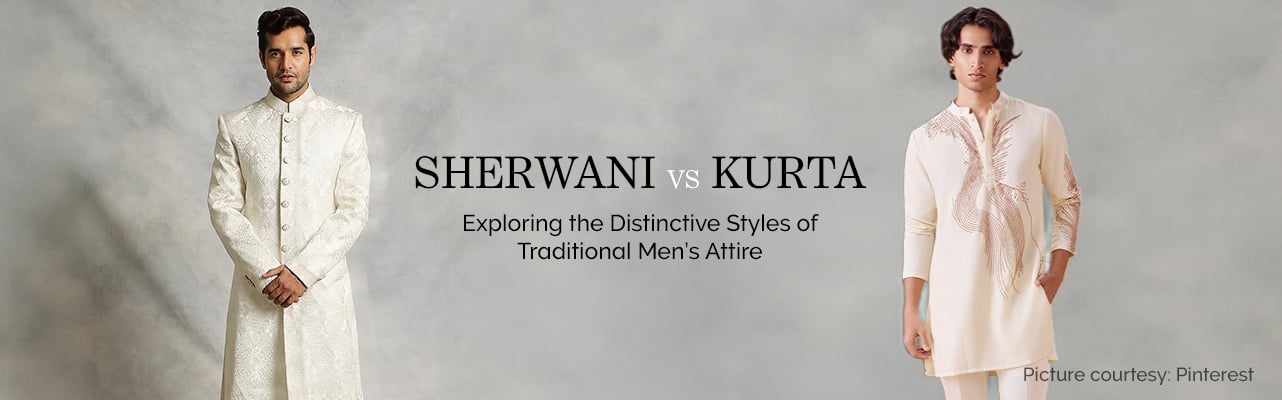
Sherwani vs Kurta: Exploring the Distinctive Styles of Traditional Men’s Attire
Sherwani and kurta are two iconic garments in traditional men’s fashion, each serving a unique purpose and style statement. A sherwani is a long, structured coat-like outfit, usually worn over a kurta and churidar. Rich fabrics such as silk, brocade, or velvet, along with heavy embroidery, buttons, and embellishments, make sherwanis ideal for grand occasions like weddings, Eid celebrations, and royal-inspired events. It reflects elegance, formality, and regal charm.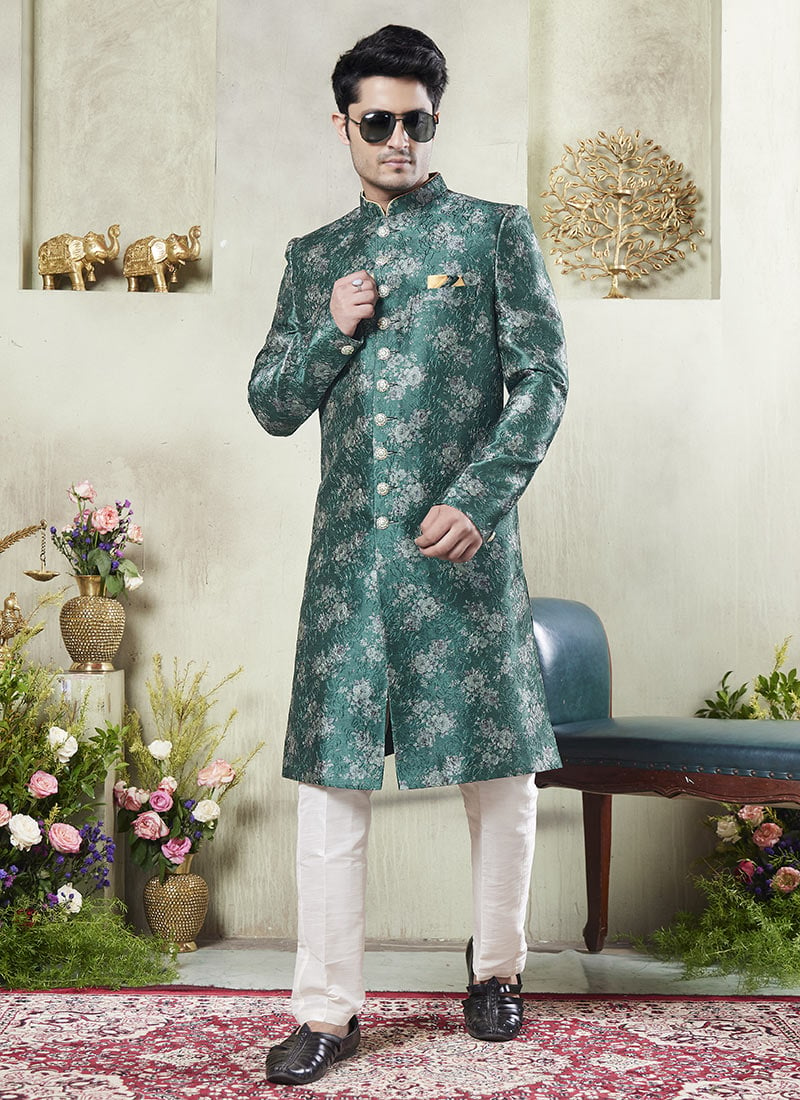
In contrast, the kurta is a simpler, more versatile garment. Typically knee-length or longer, it is paired with pajama, churidar, or trousers. Kurtas are available in a wide range of fabrics—from cotton for daily wear to silk and linen for festive occasions. While sherwanis are reserved for special celebrations, kurtas seamlessly blend comfort with style, making them suitable for both casual and semi-formal settings. Together, they showcase the richness and adaptability of traditional men’s attire.
What Is a Kurta?
A kurta is a traditional South Asian garment worn by men and women. It is a long, loose-fitting tunic, typically made from cotton, silk, or linen. Kurta styles range from simple daily wear to richly embellished designs for festivals, weddings, and cultural celebrations.
Basic Structure and Characteristics
A kurta is a loose, straight-cut garment that typically falls to the knees, though modern versions may be shorter or longer. It usually features side slits (called chaak) that allow ease of movement and comfort. The neckline can vary from simple round and V-necks to banded or collared styles, depending on regional and contemporary influences. Long sleeves are traditional, but short-sleeved and sleeveless kurtas are also popular today. What makes a kurta truly special is its versatility—it can be worn as casual daily wear or elevated with embroidery, prints, buttons, or embellishments for formal and festive occasions.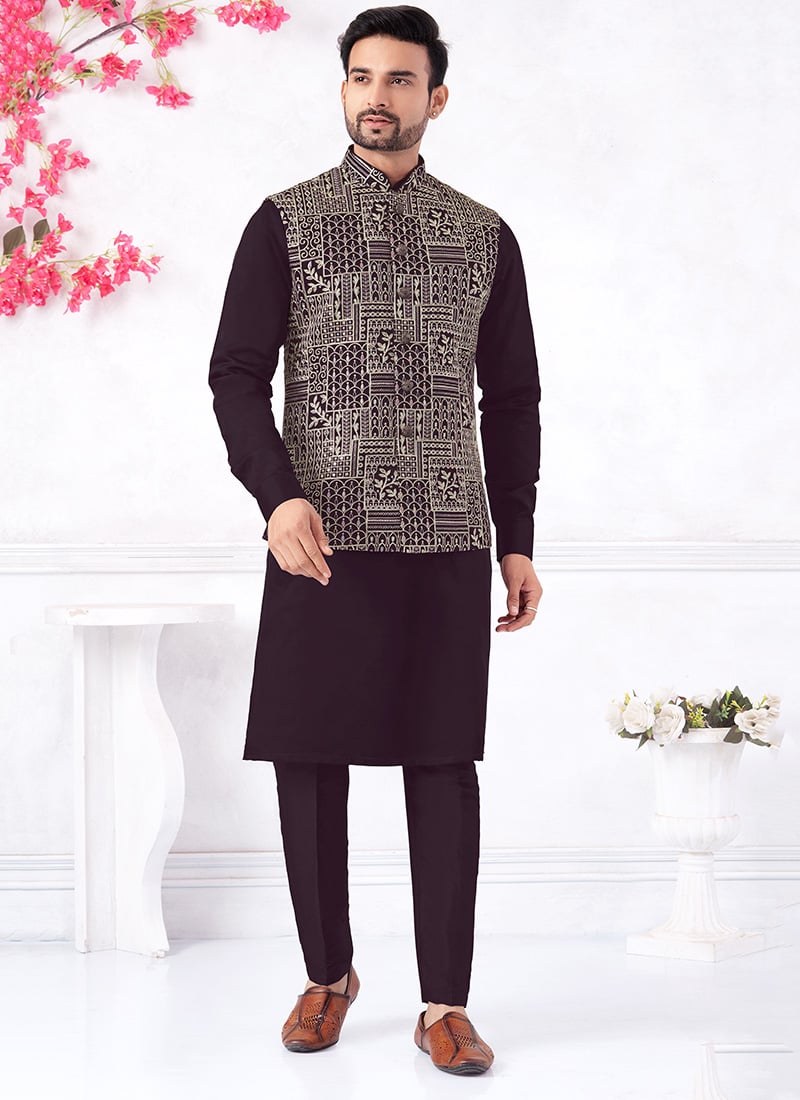
Fabrics Commonly Used
Kurtas are crafted from a wide range of fabrics suited to different climates and occasions. Everyday kurtas are commonly made from breathable materials like cotton, linen, rayon, and cotton blends, making them ideal for warm weather. For special occasions and festivals, fabrics such as silk, jacquard, brocade, and blended silks are preferred. These richer materials often feature embroidery, zari work, or woven patterns that add a touch of luxury and sophistication.
Regional Variations
Regional culture plays a major role in kurta design and styling.
Lucknowi kurtas : are renowned for their delicate chikankari embroidery, offering a refined and elegant look.
Punjabi kurtas : are typically fuller in cut, designed for comfort, and commonly paired with churidars or pajamas.
Pathani kurtas : feature a bold, shirt-like structure with front pockets and a strong silhouette, giving them a rugged, masculine appeal.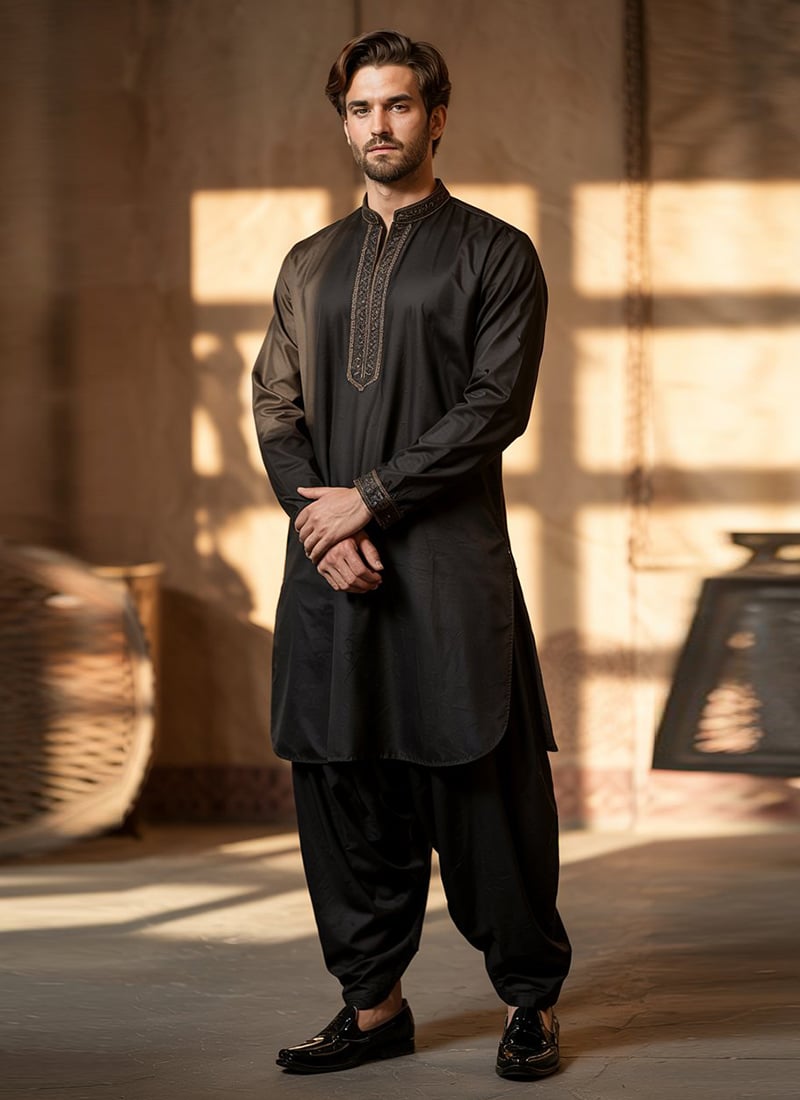
Fabrics and Comfort
Kurtas are crafted from breathable fabrics such as cotton, linen, silk, khadi, and blends. Lightweight materials ensure comfort in warm climates, while silk and wool blends are preferred for festive or cooler seasons.
Everyday and Festive Uses of Kurtas
For daily wear, simple cotton kurtas offer unmatched comfort and ease. During festivals, weddings, and celebrations like Eid or Diwali, embellished kurtas with embroidery, prints, or rich textures create a graceful and elegant look, highlighting the kurta’s enduring versatility.
What Is a Sherwani?
A sherwani is a traditional long coat worn by men, known for its regal appearance and cultural significance in South Asian fashion. Typically knee-length or longer, the sherwani is worn over a kurta and paired with churidar pants, trousers, or sometimes a dhoti. It is most commonly associated with weddings, festive occasions, and formal ceremonies, symbolizing elegance, heritage, and status.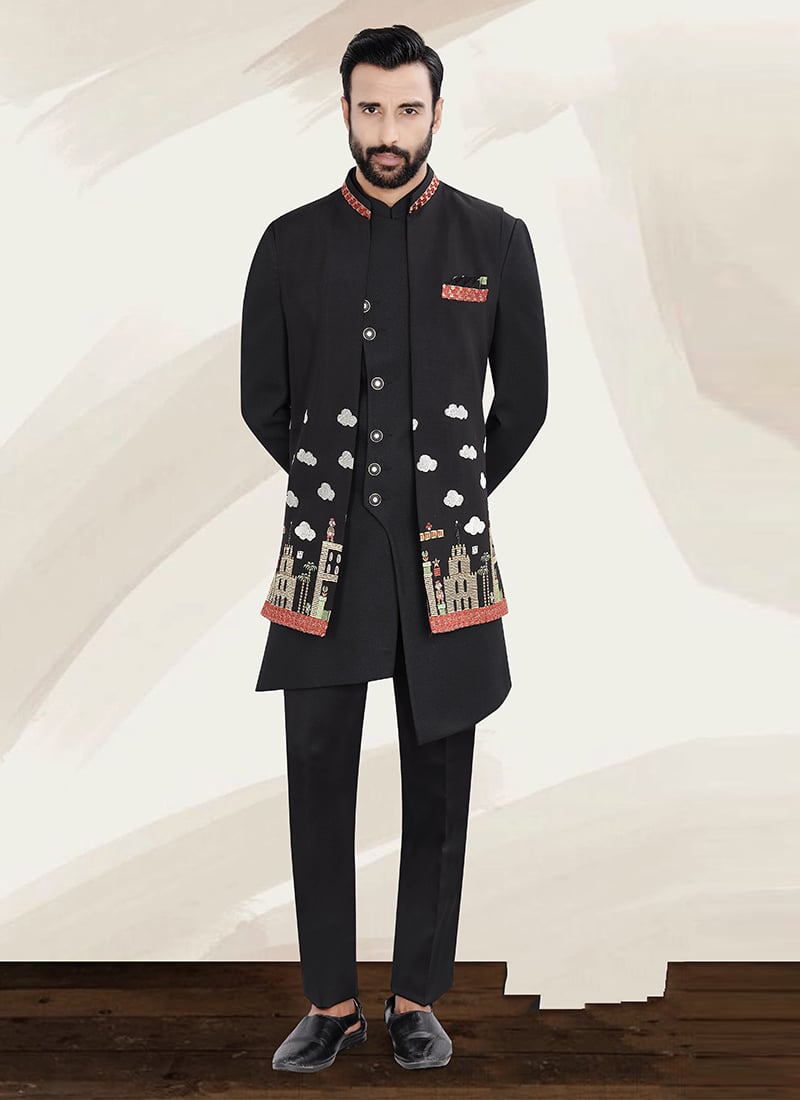
Historical Background of the Sherwani
The sherwani originated during the Mughal era and later evolved under British colonial influence in the Indian subcontinent. It is believed to be a refined adaptation of the Persian balaban and the British frock coat, blending Eastern aesthetics with Western tailoring. Initially worn by royalty and nobles, the sherwani became a symbol of aristocracy and sophistication. Over time, it gained popularity among the masses and became an essential part of traditional menswear, especially for grooms and dignitaries.
Key Design Features of a Sherwani
Sherwanis are characterized by their structured silhouette, fitted bodice, and front button closure, often extending from the neck to the hem. They usually feature a high collar or bandhgala neckline, giving the outfit a formal and polished look.
Fabric Choices
Sherwanis are crafted from luxurious fabrics such as silk, brocade, jacquard, velvet, raw silk, and cotton blends. The choice of fabric often depends on the occasion—heavier fabrics with rich textures are preferred for weddings, while lighter materials suit festive or daytime events.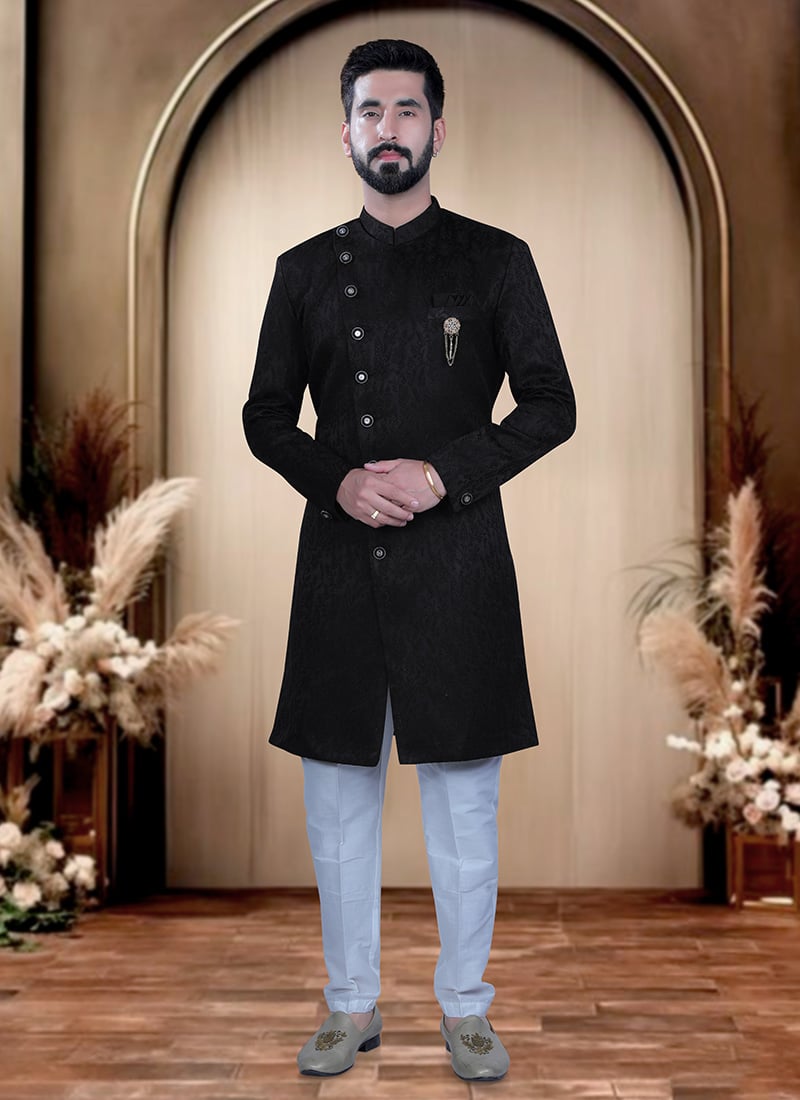
Embellishments and Craftsmanship
Intricate embellishments are a defining element of sherwanis. These may include zari work, resham embroidery, sequins, beads, stonework, and traditional motifs inspired by Mughal art. Handcrafted details showcase exceptional craftsmanship and add to the garment’s grandeur.
When and Where Sherwanis Are Worn
Sherwanis are most commonly worn during weddings, especially by grooms, as well as during festivals like Eid, Diwali, and formal cultural events. They are also popular for receptions, engagement ceremonies, and traditional celebrations, making them a timeless choice for men who want to embrace classic elegance with cultural pride.
Kurta Styles That Never Go Out of Fashion
Straight-Cut Kurta
The straight-cut kurta is a timeless classic loved for its clean silhouette and versatility. Its simple, straight fall flatters all body types, making it a wardrobe essential for both everyday wear and festive occasions. Easily paired with churidars, palazzos, or straight pants, this kurta style works well in cotton for casual looks or in silk and embroidered fabrics for celebrations.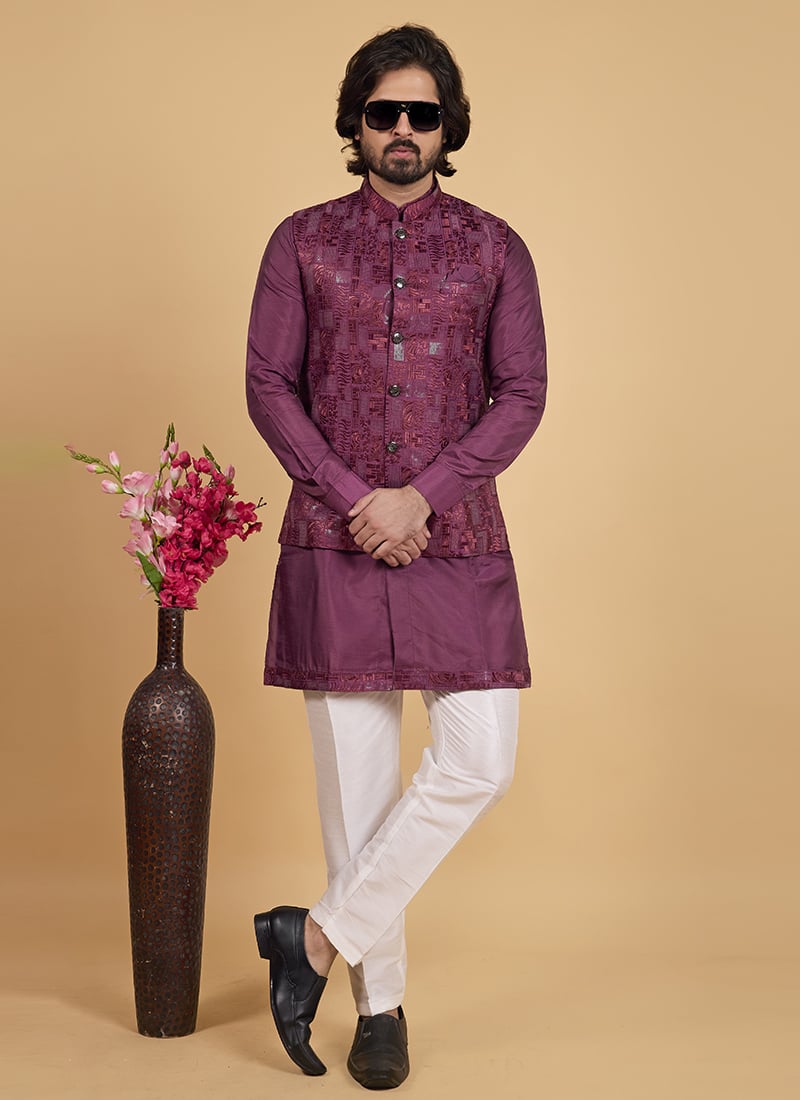
Anarkali and Angrakha Kurta
Anarkali and Angrakha kurtas bring a touch of regal elegance to traditional wear. The Anarkali kurta features a flared silhouette that adds grace and movement, perfect for festive events and weddings. Angrakha kurtas, known for their overlapping panels and tie-up details, reflect rich heritage while offering a flattering fit that suits various body shapes.
Short Kurta and Modern Variations
Short kurtas and contemporary designs blend tradition with modern fashion. Ideal for a chic Indo-western look, they pair beautifully with jeans, skirts, or dhotis. With asymmetrical cuts, trendy prints, and stylish detailing, modern kurtas offer comfort without compromising on style.
Sherwani Styles You Should Know
Classic Royal Sherwani
The Classic Royal Sherwani is a timeless choice that reflects elegance and grandeur. Inspired by traditional Mughal and Nawabi attire, this style features rich fabrics like silk, velvet, and brocade, often enhanced with intricate embroidery, zardozi work, or regal buttons. Perfect for weddings, Eid celebrations, and formal occasions, the royal sherwani pairs best with churidar or straight-fit pants and a matching stole for a majestic look.
Indo-Western Sherwani
Indo-Western Sherwanis blend traditional silhouettes with modern design elements. Featuring asymmetric cuts, layered patterns, contrasting fabrics, and subtle embellishments, this style is ideal for men who prefer a contemporary yet ethnic appeal. It works well for festive events, receptions, and destination celebrations.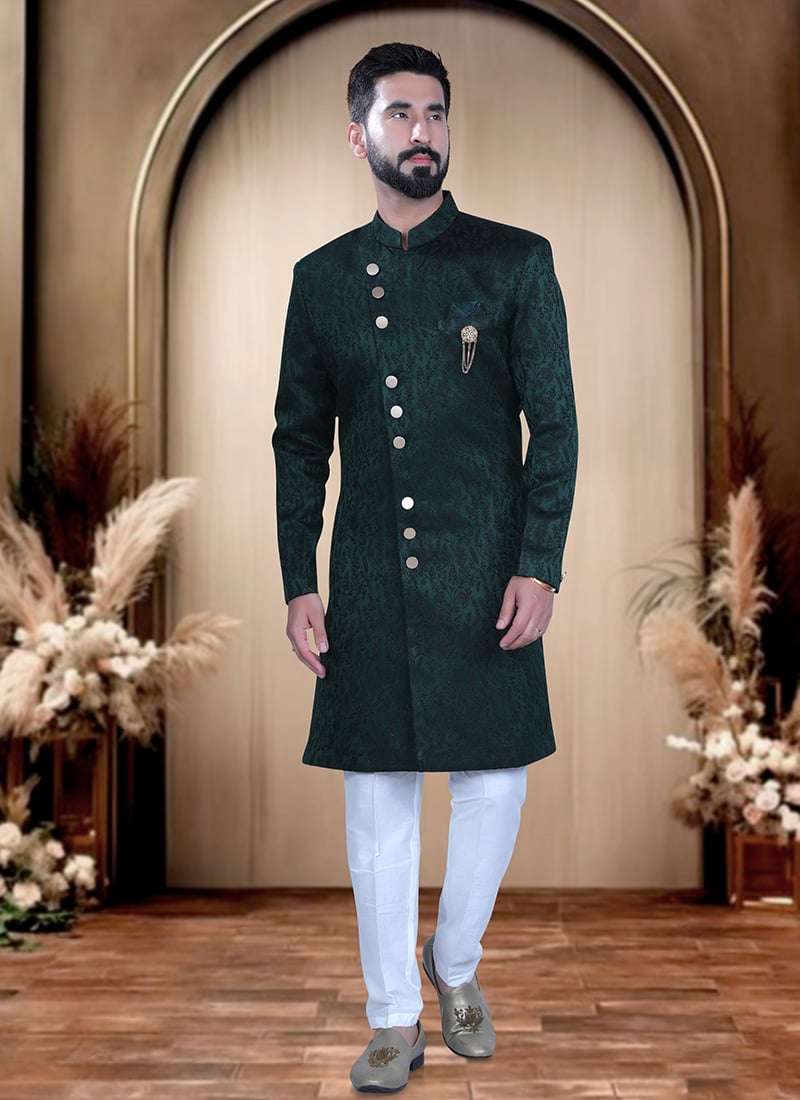
Minimalist Contemporary Sherwani
Minimalist Contemporary Sherwanis focus on clean lines, muted colors, and understated detailing. Crafted from lightweight fabrics with minimal embroidery, they offer comfort and sophistication, making them perfect for modern festive gatherings and elegant celebrations.
How to Choose Between Sherwani and Kurta
Based on Occasion
A sherwani is ideal for grand occasions like weddings, receptions, or formal Eid gatherings where a regal and traditional look is preferred. Its structured silhouette and rich embellishments make it perfect for celebrations that demand elegance. A kurta, on the other hand, suits casual to semi-formal events such as family get-togethers, prayers, or festive dinners, offering a refined yet relaxed appearance.
Based on Body Type
Sherwanis flatter taller and broader body types due to their tailored structure, while kurtas suit all body shapes, providing ease and versatility.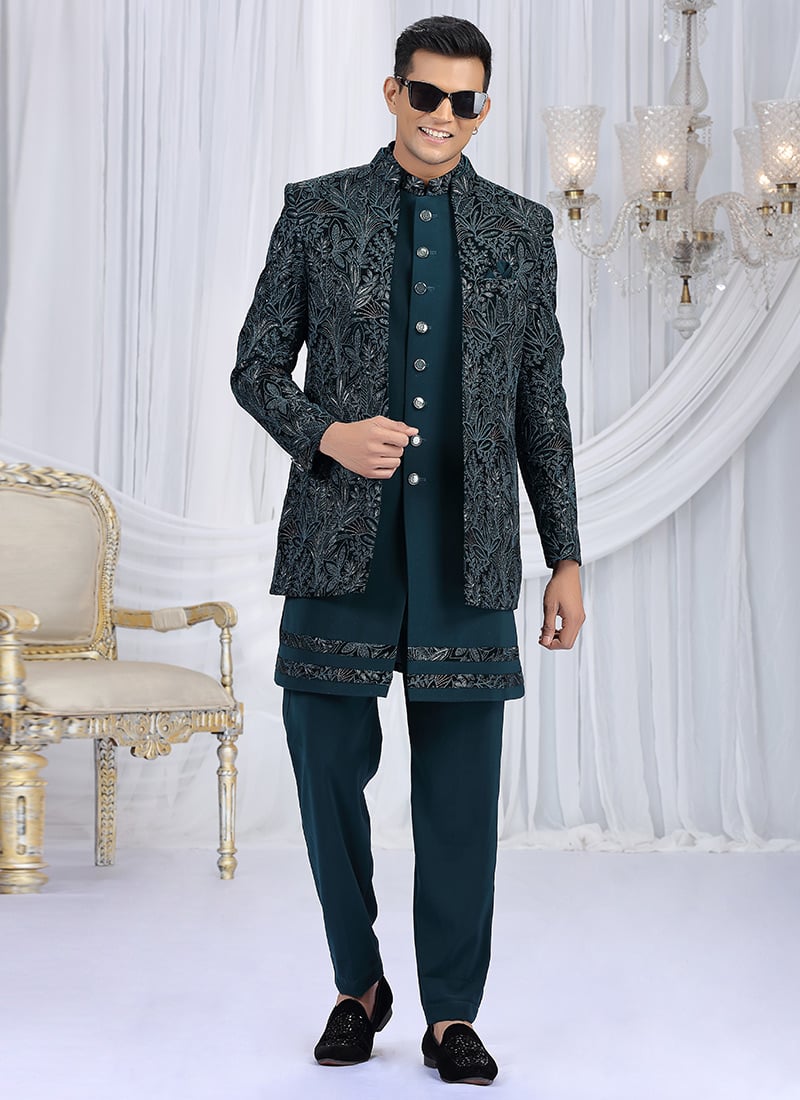
Based on Climate and Comfort
In warmer climates, lightweight cotton or linen kurtas ensure comfort, whereas sherwanis are better suited for cooler weather or evening events.
Conclusion
The sherwani and the kurta are not merely alternatives—they are integral elements of men’s traditional fashion, each carrying its own charm, history, and significance. While the sherwani exudes grandeur and formality, perfect for weddings, festivals, and ceremonial occasions, the kurta offers versatility and comfort, ideal for casual gatherings or daily ethnic wear. Appreciating these distinctions allows men to express their personality, respect cultural traditions, and choose outfits suited to every event.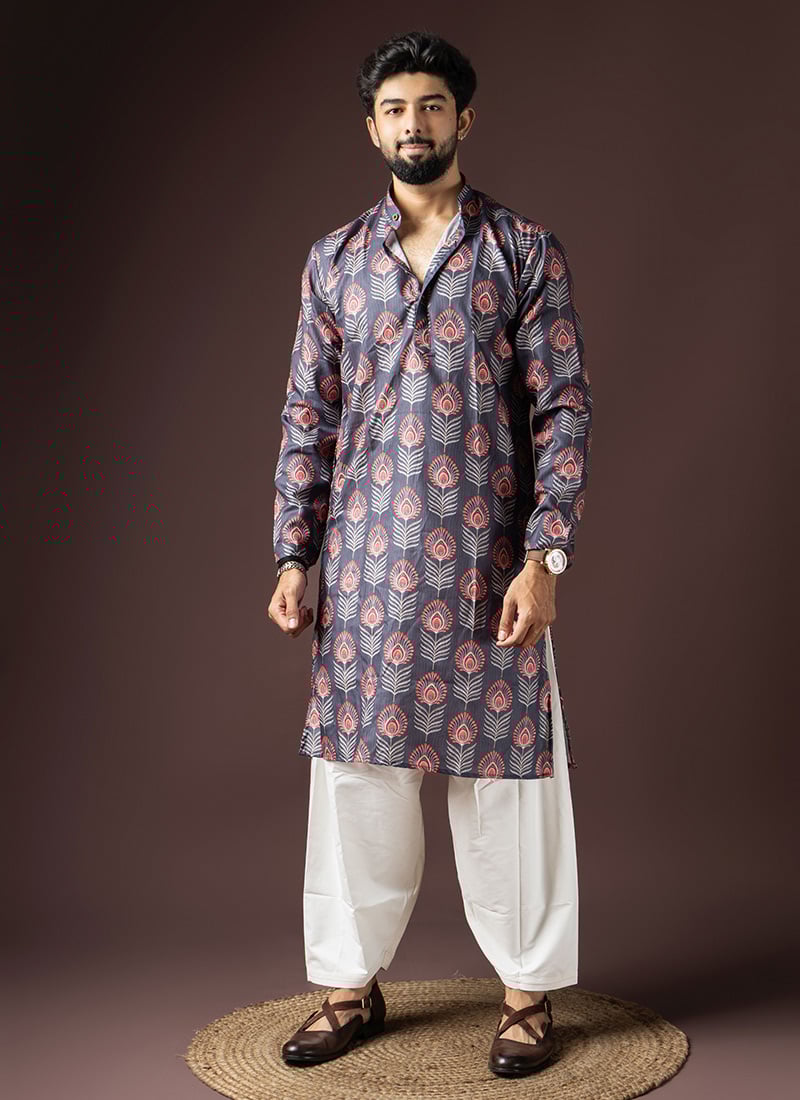
Cbazaar presents a thoughtfully curated collection of both sherwanis and kurtas, blending timeless craftsmanship with modern aesthetics. From intricate embroidery to luxurious fabrics, every piece is designed to ensure elegance, comfort, and style. Whether you are attending a wedding, celebrating Eid, or simply enhancing your ethnic wardrobe, these ensembles provide a perfect balance of tradition and contemporary flair, helping you make a lasting impression wherever you go.
Sherwani vs Kurta: Key Differences in Men's Traditional Wear FAQ
- What is the main difference between sherwani and kurta?
The main difference is in style and formality. A sherwani is a long, tailored coat worn over a kurta, often with intricate embroidery, suited for weddings or formal occasions. A kurta is simpler, loose-fitting, and versatile, worn casually or semi-formally with pajamas, churidars, or jeans.
- Which fabric is best for a summer kurta?
For a summer kurta, lightweight and breathable fabrics are ideal. Cotton is the top choice for comfort and airflow. Linen offers a cool, airy feel with natural texture. Khadi is soft and breathable, while chanderi adds elegance without feeling heavy. Avoid synthetic fabrics that trap heat.
- Which is more comfortable: sherwani or kurta?
A kurta is generally more comfortable than a sherwani. Made from lighter fabrics with a relaxed fit, it allows easy movement and breathability, making it ideal for daily wear or casual events. Sherwanis, often heavier with intricate embroidery, are more formal and can feel restrictive for long hours.
- Is sherwani only for grooms?
No, sherwanis are not only for grooms. While they are traditional wedding attire for men, sherwanis are also worn at festivals, formal events, and cultural celebrations. Modern designs cater to casual and festive occasions, making them versatile pieces in men’s ethnic fashion beyond just weddings.
- What bottoms are worn with kurtas and sherwanis?
Kurtas are typically paired with bottoms like churidars, straight pants, or salwars, offering a comfortable yet elegant look. Sherwanis, being more formal, are often worn with churidars or dhotis to maintain a traditional silhouette. For modern styles, slim-fit trousers or palazzos can also complement both, balancing tradition with contemporary flair.
You May Also Like
What footwear complements ethnic outfits the best?
Top Groom Wedding Dress Trends for Modern Weddings