Complete Guide to an Indian Wedding: From Sagai to Reception
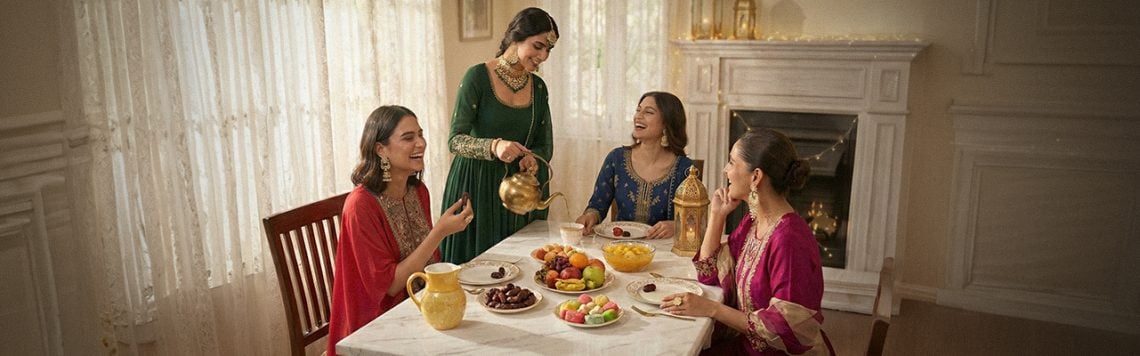
An Indian wedding is not just a ceremony—it’s a vibrant journey filled with emotions, rituals, colors, and stories passed down through generations. The celebration begins with Sagai (engagement), where families formally unite, exchange rings, and bless the couple’s new beginning. This is followed by Mehndi, a joyful event where intricate henna designs are applied to the bride’s hands, symbolizing love, prosperity, and happiness.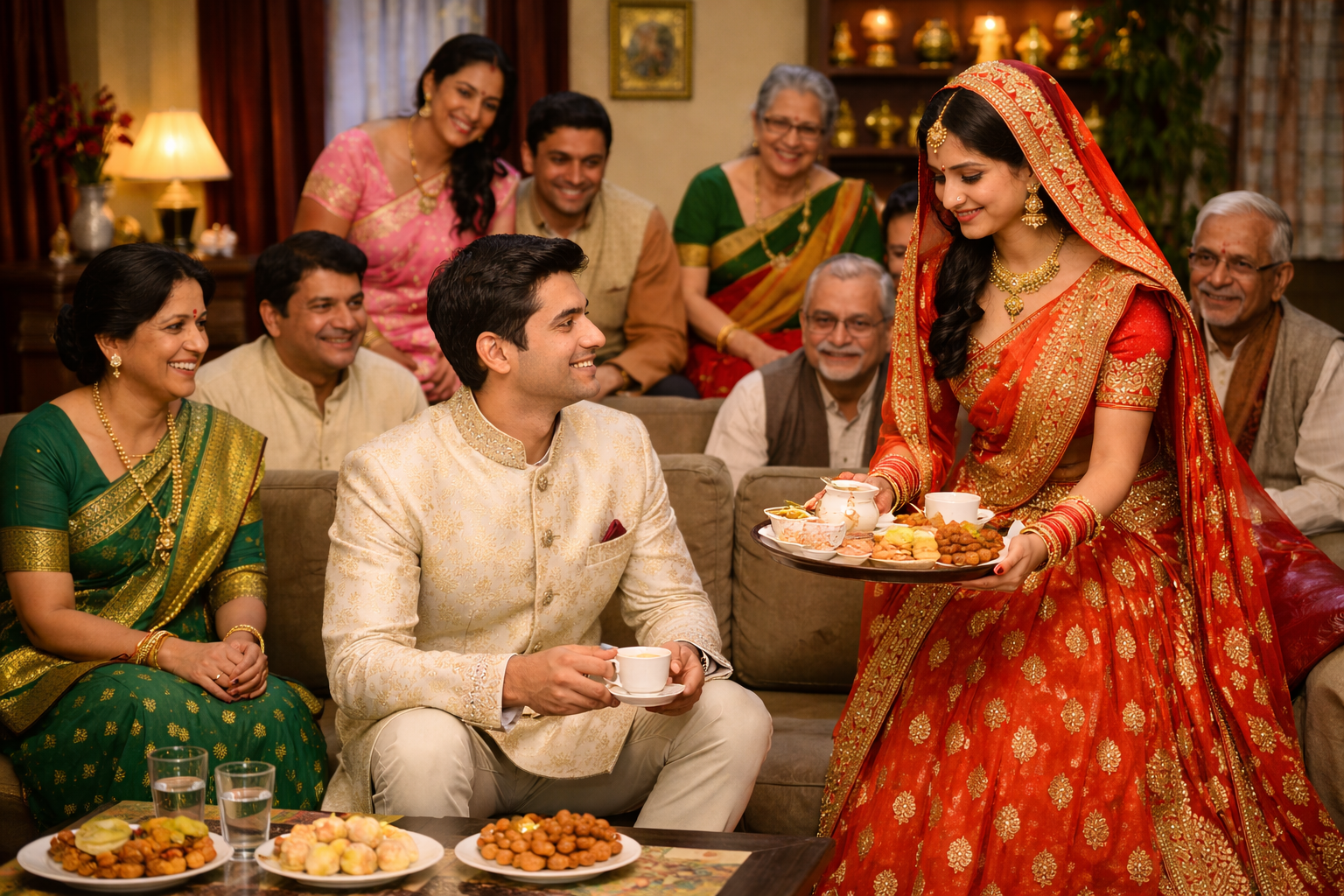
Next comes the energetic Sangeet, a night of music, dance, and laughter, where both families bond through performances and celebrations. The Haldi ceremony marks purification and blessings, as turmeric paste is applied to the bride and groom for good luck and a radiant glow. The heart of the wedding is the Wedding Ceremony, with sacred vows, mantras, and rituals like the pheras, signifying lifelong commitment. Finally, the grand Reception celebrates love and togetherness, welcoming friends and extended family. From start to finish, an Indian wedding beautifully weaves tradition, family, and timeless romance into one unforgettable story.
Sagai (Engagement): The Promise of Forever
The wedding journey beautifully begins with Sagai, the engagement ceremony that marks the official union of two hearts and two families. It is a celebration filled with emotion, tradition, and the quiet excitement of a shared future. As rings are exchanged, promises are silently made—of trust, companionship, and lifelong love.
The bride glows in a graceful saree or an intricately designed lehenga, adorned with delicate jewelry, soft makeup, and a radiant smile that reflects her happiness. The groom complements her elegance in a classy sherwani or ethnic suit, carrying confidence, warmth, and pride. Together, they embody the joy of new beginnings.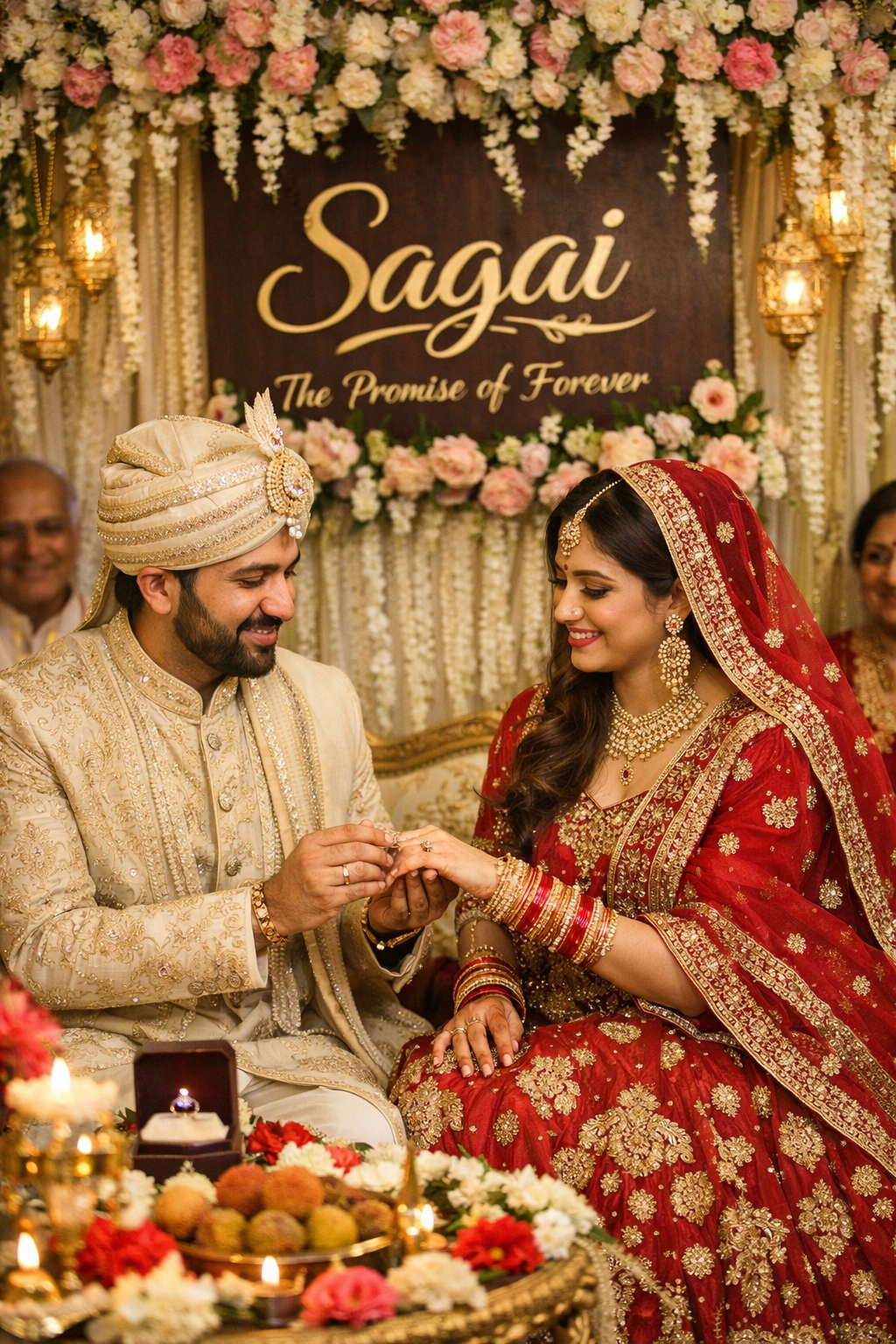
Families gather to bless the couple, showering them with love, good wishes, and heartfelt prayers. Sweets are exchanged to symbolize sweetness in their journey ahead, while laughter, conversations, and happy tears fill the air. Every photograph captured during Sagai becomes a timeless memory—the very first chapter of their forever story, written with love, tradition, and hope.
Mehndi: Colors of Love and Laughter
Next comes the most fun-filled and vibrant function—Mehndi, where joy flows as freely as laughter. This ceremony sets the mood for the wedding celebrations with lively music, playful dances, and the soft aroma of fresh henna filling the air. As the bride’s hands and feet are adorned with intricate Mehndi patterns, every swirl and motif tells a story of love, dreams, and new beginnings.
Dressed in a cheerful green or yellow lehenga, paired with floral jewelry and dewy, minimal makeup, the bride looks radiant and carefree. Around her, friends and family celebrate in colorful kurtas, elegant sarees, and festive suits, adding to the burst of color everywhere you look.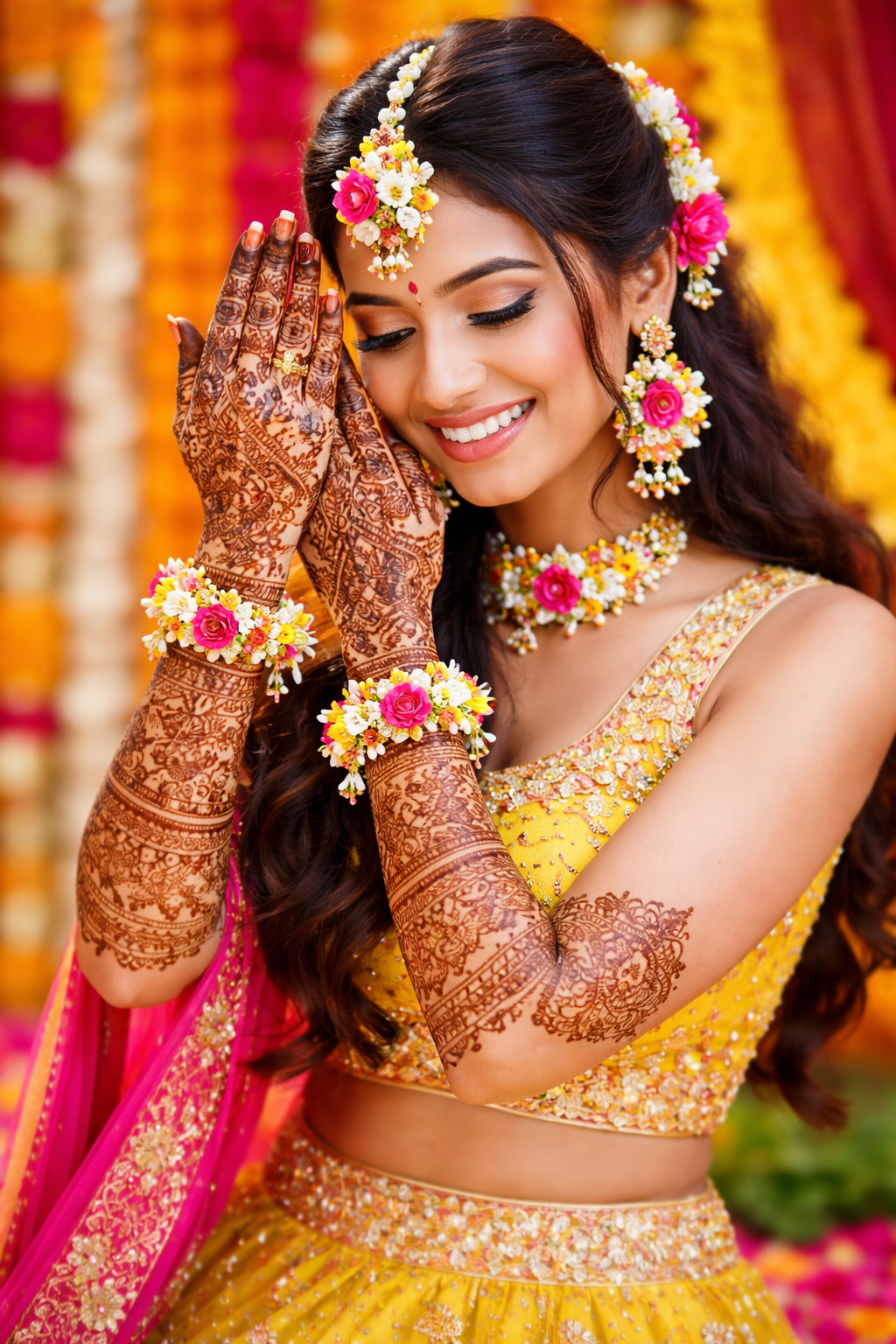
Tradition says the darker the Mehndi, the deeper the love between the couple—but belief aside, the happiness is undeniable. Mehndi is not just a ritual; it’s a heartfelt celebration of togetherness, laughter, and the promise of a beautiful journey ahead.
Haldi: Blessings for a New Beginning
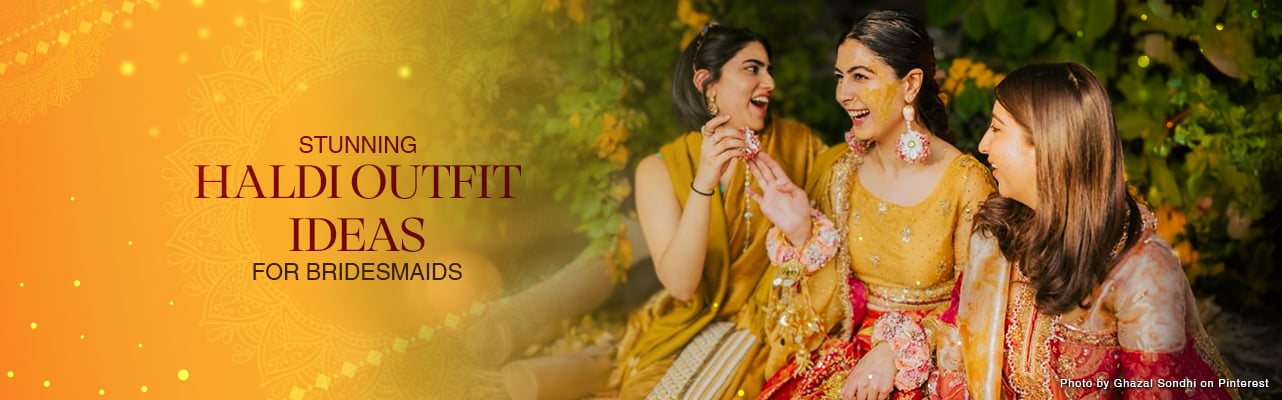
The Haldi ceremony is one of the most heartfelt and joyful pre-wedding rituals, symbolizing purity, protection, and a fresh start for the couple. Turmeric paste, known for its healing and auspicious qualities, is lovingly applied to the bride and groom by family members to bless them with prosperity, happiness, and a natural glow before their big day.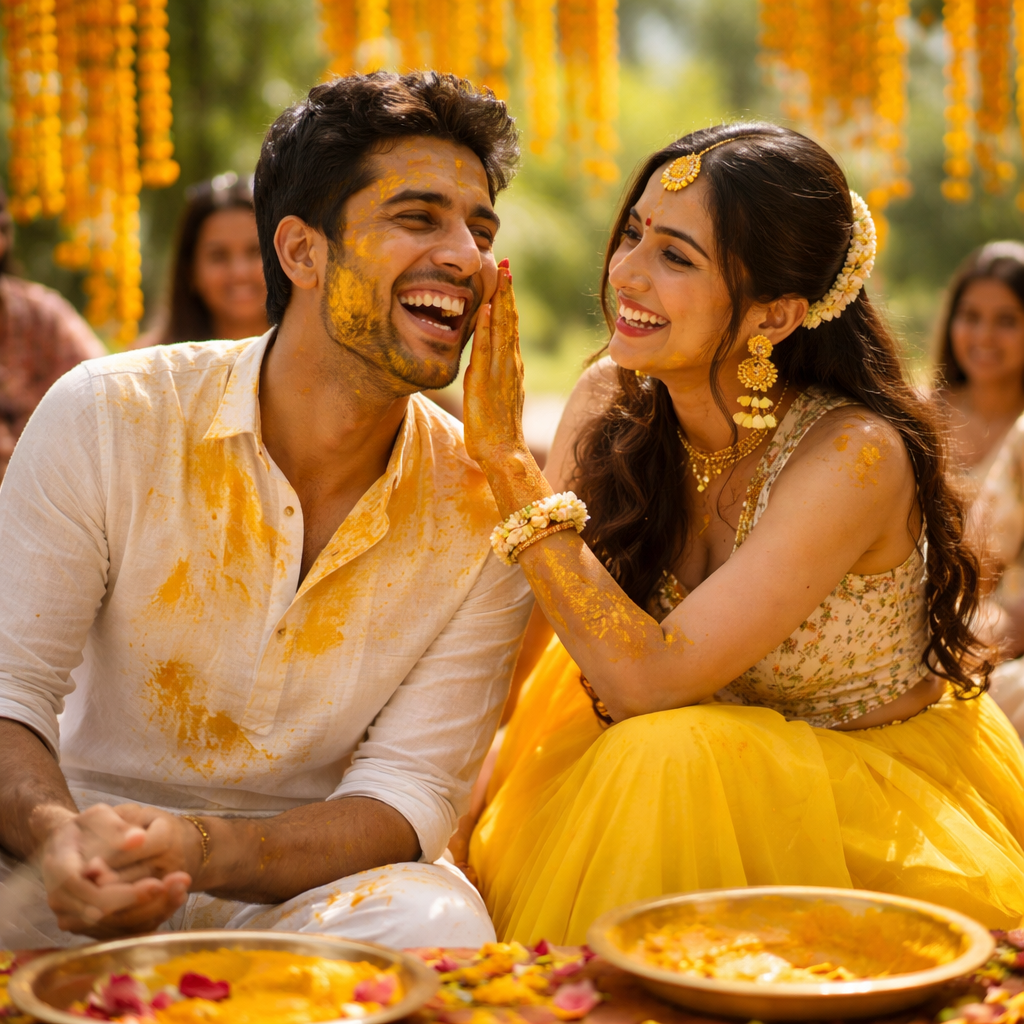
Dressed in simple yet elegant yellow outfits—be it kurtas, sarees, or lehengas—the bride and groom radiate warmth and positivity. The atmosphere is intimate and lively, filled with laughter, teasing, and emotional moments as elders share blessings and children join in the fun. Beyond tradition, the Haldi ceremony creates cherished memories, strengthening family bonds and marking the beautiful beginning of a lifelong journey together.
Sangeet: When Music Meets Celebration
The Sangeet night is where wedding celebrations truly come alive, blending music, dance, and emotion into one unforgettable evening. As rhythms fill the air, both families come together, breaking formalities and celebrating love with joy and laughter. Carefully choreographed dance performances, playful family acts, and spontaneous moves keep the energy high throughout the night.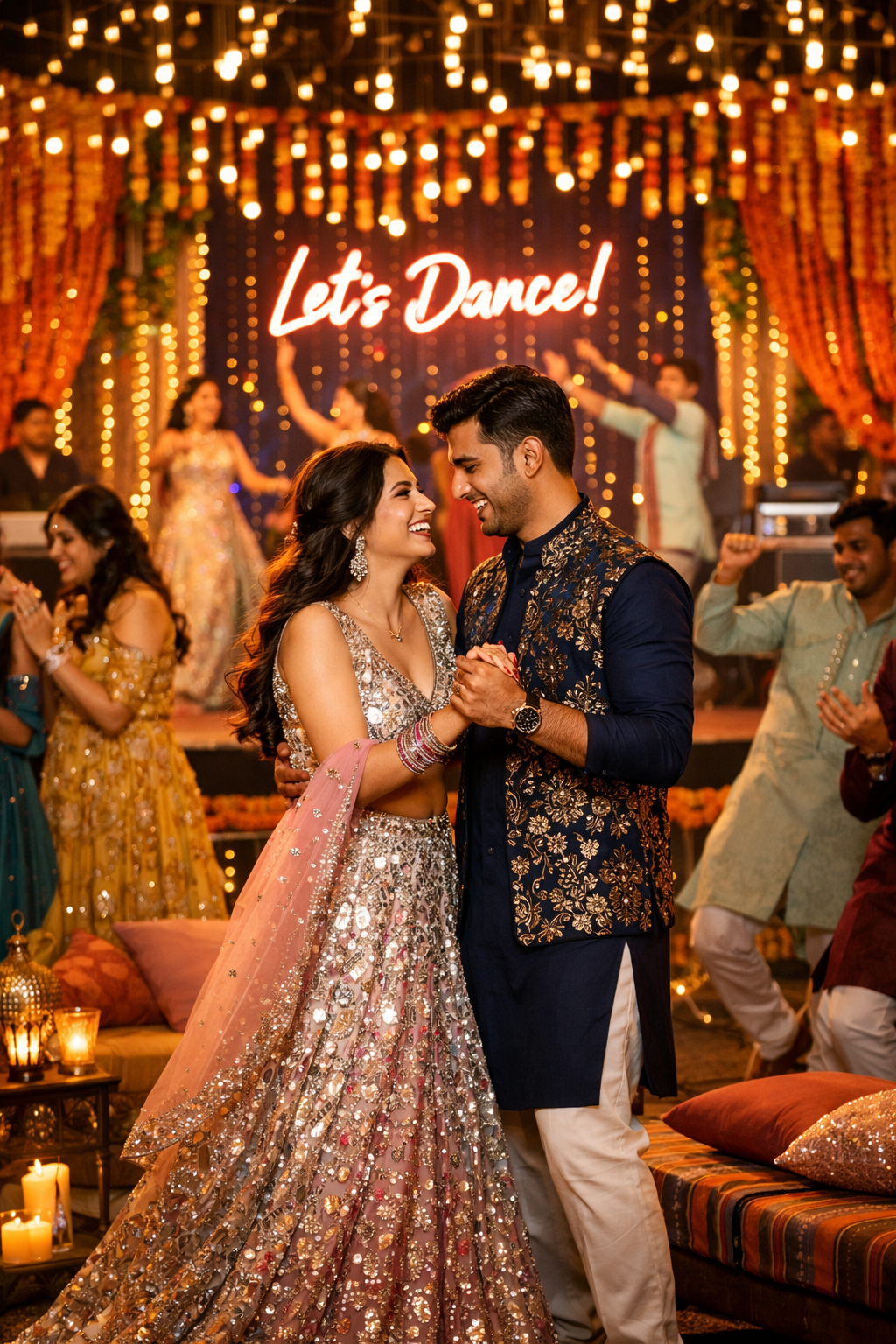
The bride dazzles in a designer lehenga, complemented by glamorous makeup and statement jewelry, while the groom looks equally striking in a stylish sherwani. Guests arrive in vibrant ethnic ensembles—elegant sarees, embroidered suits, and classic kurtas—adding color to the celebration. With lively music, heartfelt moments, and nonstop dancing, the Sangeet creates memories that remain cherished long after the wedding ends.
Shaadi ke Din ke Rituals: The Grand Wedding Day
The wedding day is the heart of the celebration, where emotions, traditions, and dreams come together to create memories for a lifetime. Every ritual on this day holds deep cultural meaning and reflects the sacred bond of marriage.
Baraat
The celebrations begin with the Baraat, as the groom arrives in royal style, dancing joyfully to energetic dhol beats. Surrounded by family and friends, he wears a regal sherwani, a neatly tied safa, and traditional mojris. The atmosphere is filled with excitement, laughter, and pride, setting a festive tone for the day.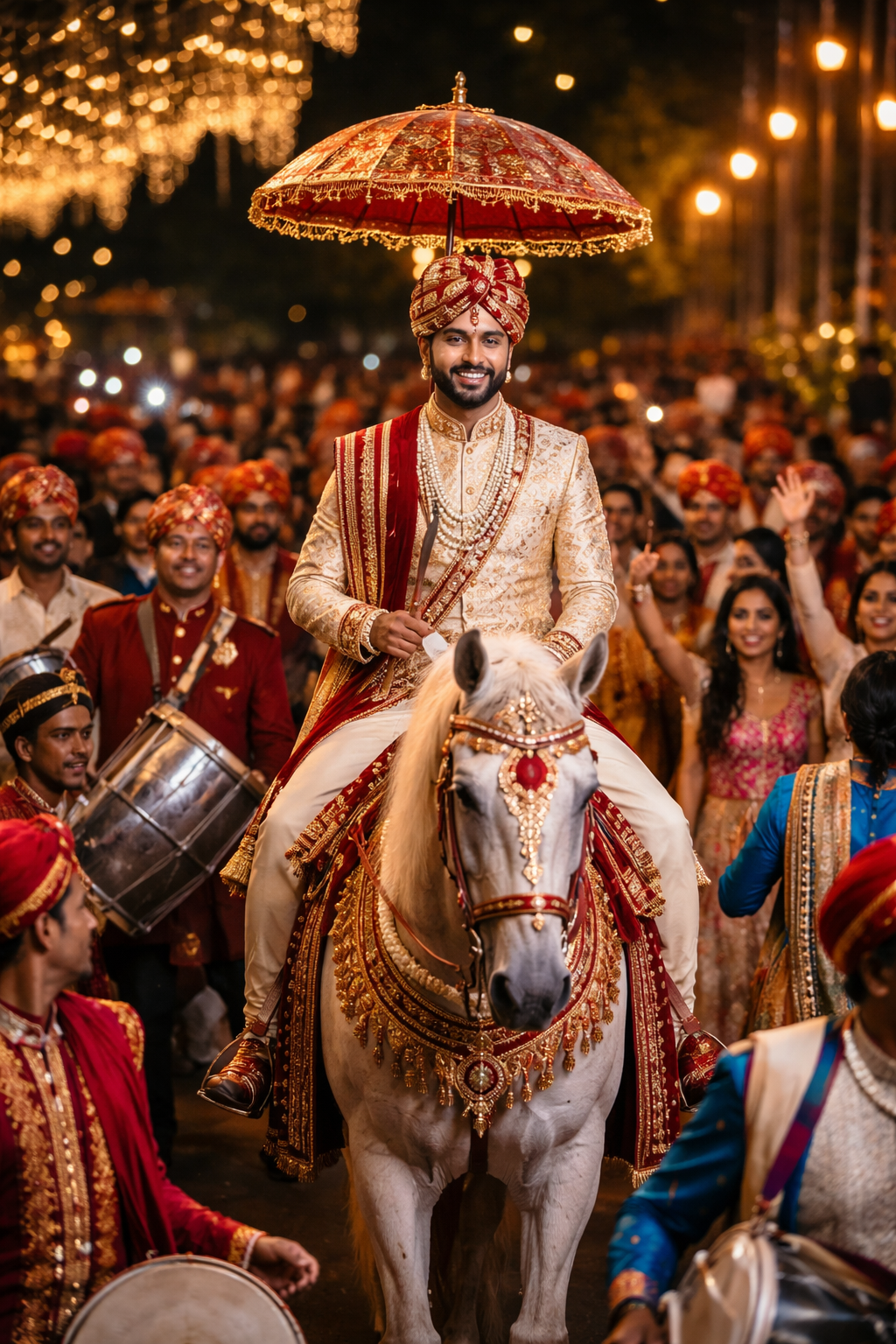
Milni
Next comes the Milni, a beautiful ritual that symbolizes the coming together of two families. Elders from both sides greet each other with garlands, blessings, warm hugs, and smiles, marking the start of a new relationship built on respect and love.
Jaimala
During the Jaimala ceremony, the bride and groom exchange floral garlands, accepting each other as life partners. The bride looks breathtaking in her bridal lehenga, adorned with intricate jewelry and radiant confidence, while the groom complements her elegance perfectly. This moment captures love, commitment, and the promise of a shared future.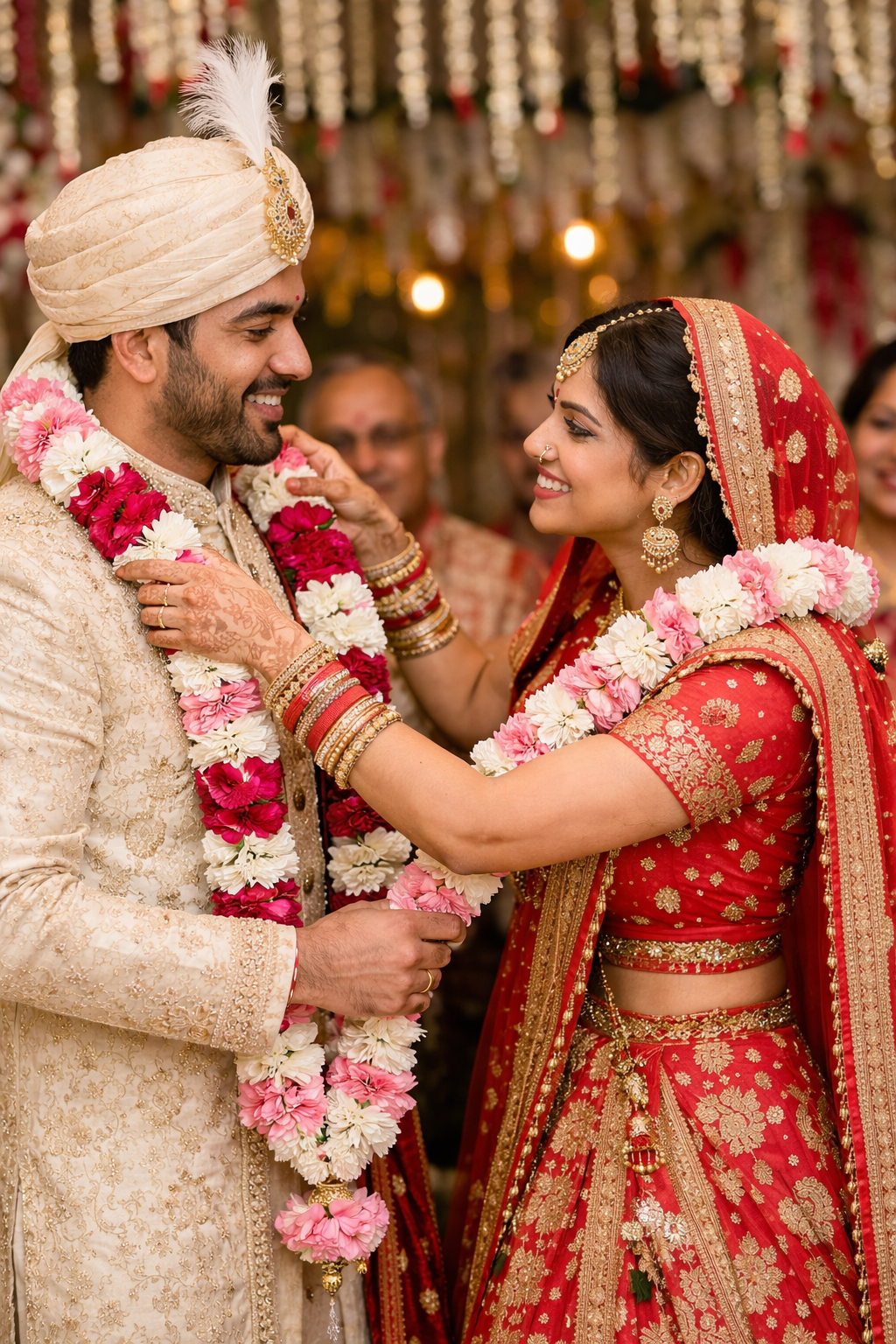
Wedding Rituals: Sacred Vows and Traditions
Wedding rituals are the heart of a traditional Indian marriage, blending spirituality, culture, and deep emotional meaning. Each ceremony is designed to bless the couple with harmony, strength, and lifelong companionship. These sacred customs are not just symbolic acts but spiritual commitments that guide the couple through their journey together.
Agni ke 7 Pheras
The wedding fire, or Agni, is considered a divine witness. As the couple takes seven pheras around it, they make seven promises—nurturing love, mutual trust, respect, prosperity, family values, shared responsibilities, and eternal togetherness. Each round strengthens their bond and reminds them of unity through every phase of life.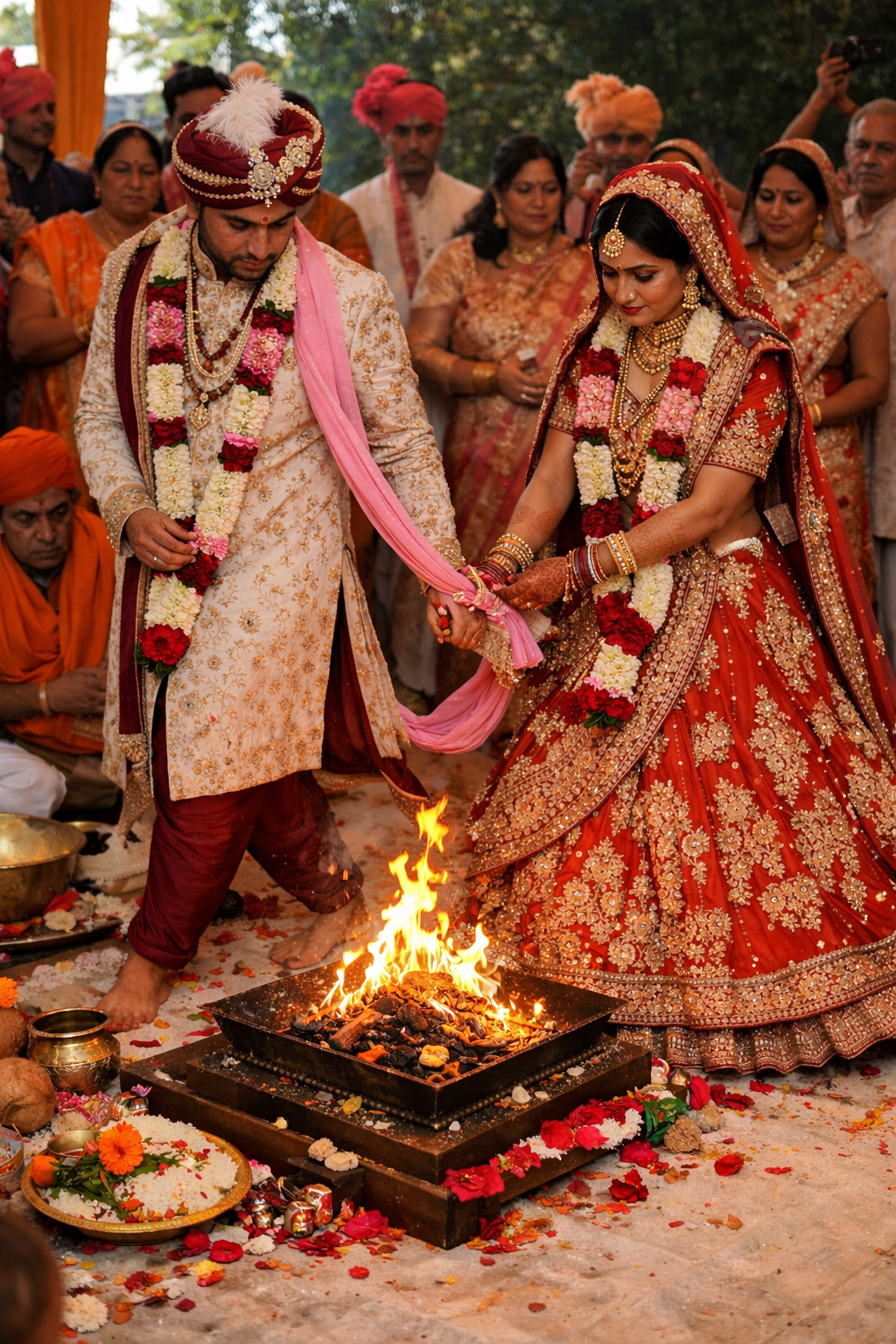
Saat Vachan
The Saat Vachan form the foundation of married life, outlining mutual duties, emotional support, honesty, and shared dreams. Together, these vows create a spiritual promise of walking hand in hand through life’s joys and challenges.
Mangalsutra and Sindoor
The groom tying the Mangalsutra and applying sindoor marks the sacred union. These symbols represent protection, devotion, and the bride’s new marital identity, signifying love, commitment, and lifelong partnership.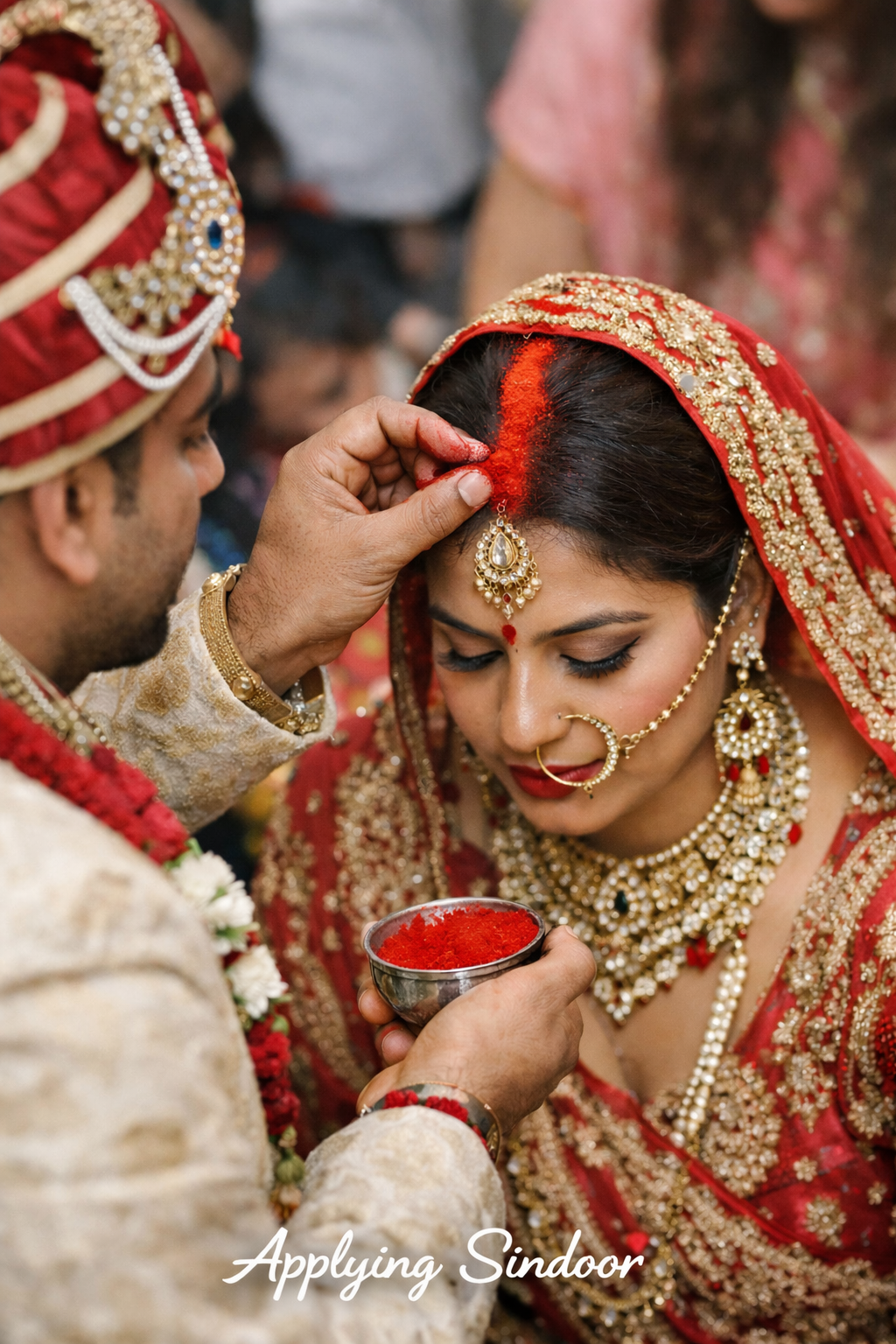
Post-Wedding Ceremonies: An Emotional and Joyful Farewell
Post-wedding ceremonies mark a beautiful blend of emotions—tears, smiles, memories, and new beginnings. After days of vibrant celebrations, these moments gently slow the pace, allowing everyone to feel the depth of change and togetherness.
Vidaai
is the most heart-touching ritual of the wedding. As the bride bids farewell to her parents and siblings, emotions overflow. Dressed gracefully in a traditional saree or lehenga, her eyes glisten with tears, yet her heart carries hope. It is a bittersweet moment—leaving behind a world she has always known, while stepping into a future filled with love and promise.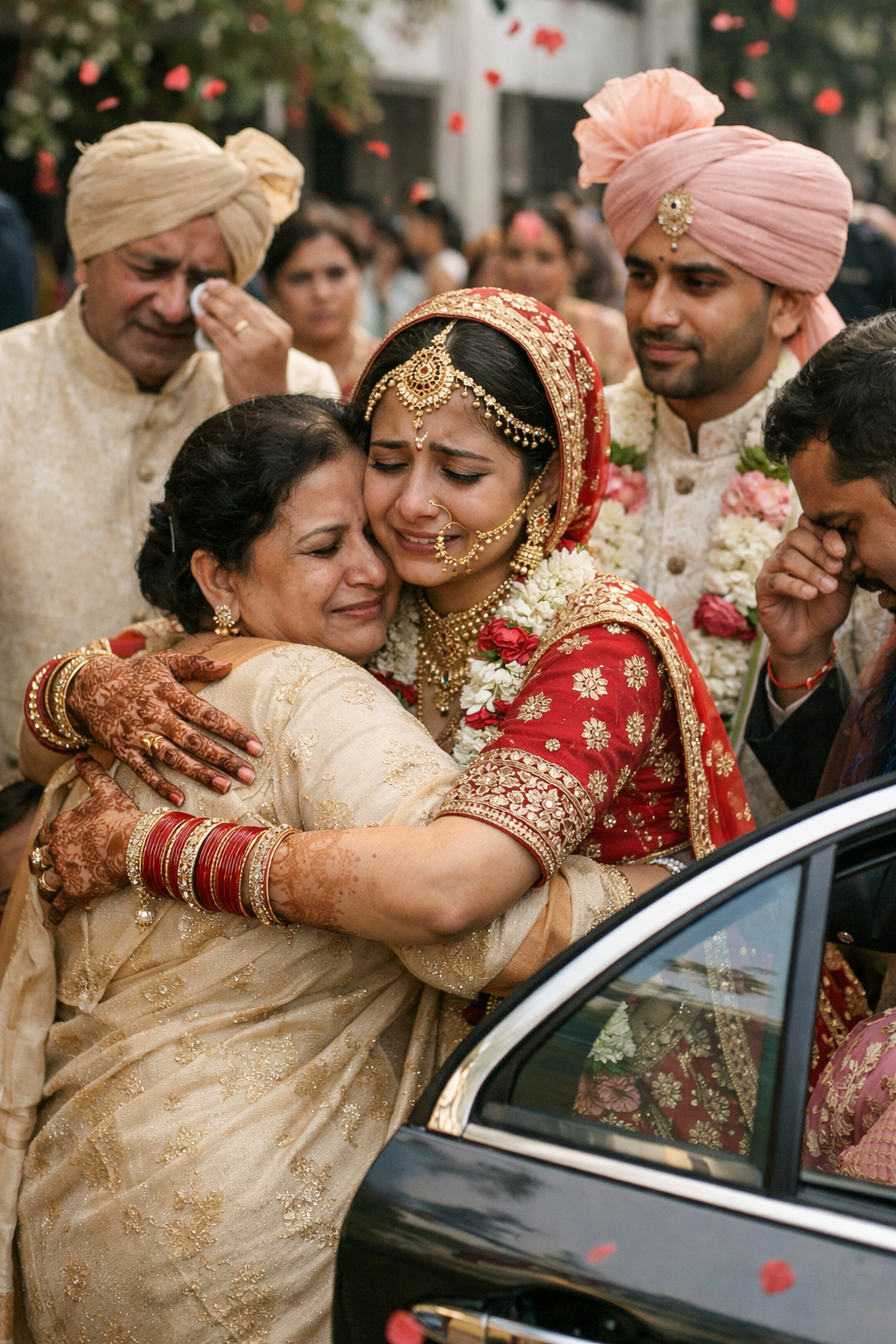
Reception
follows as a joyful finale. It is a celebration of unity, where laughter replaces tears. The newlyweds greet extended family and friends, dressed in elegant, modern ensembles. Surrounded by blessings, music, and warm wishes, the couple begins their journey together—cherishing the past and embracing the future.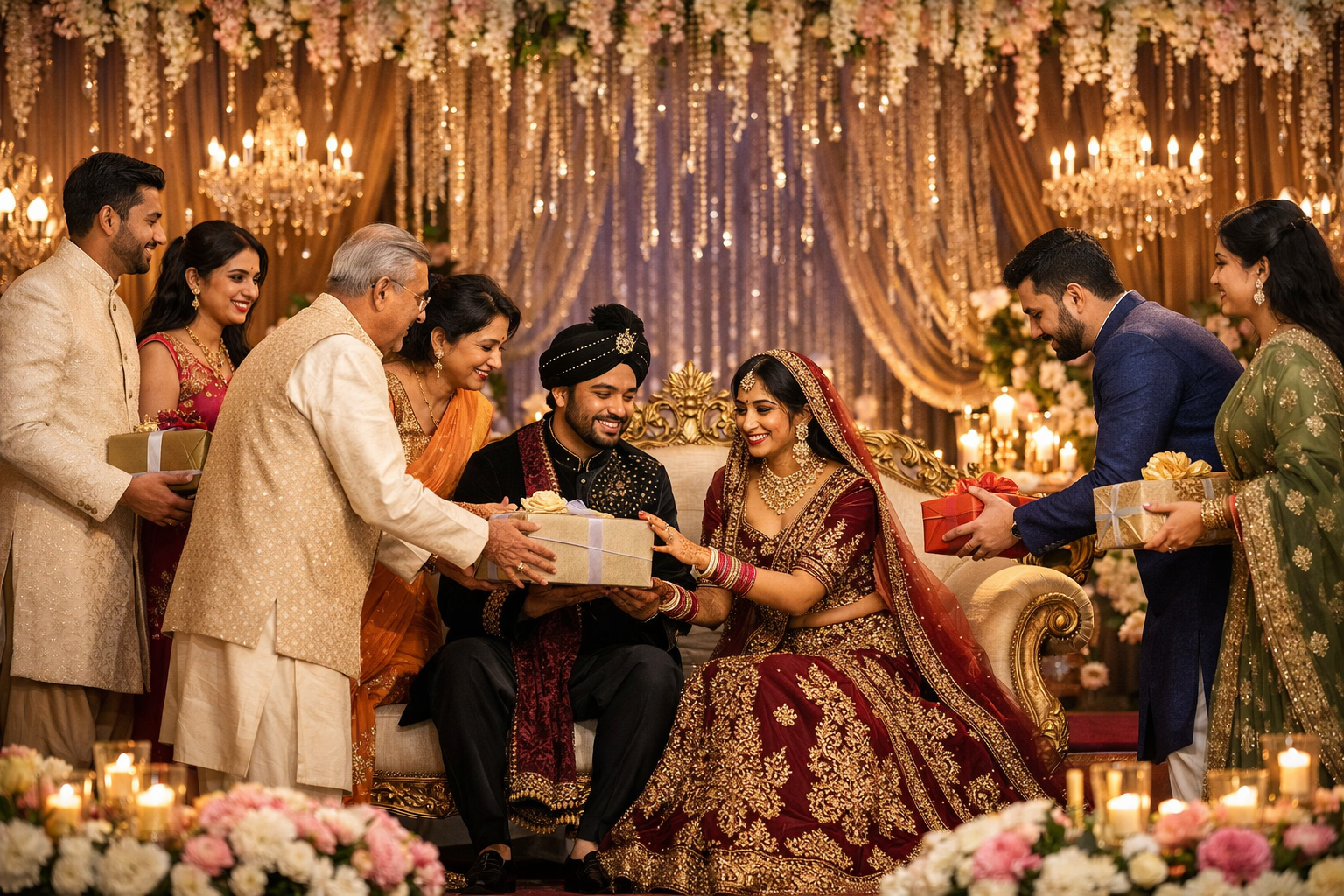
Final Thoughts
An Indian wedding is much more than a ceremonial event—it is a soulful journey woven with age-old traditions, deep emotions, and unbreakable family bonds. Every ritual, from the joyful Sagai and vibrant Mehendi to the sacred pheras and grand reception, carries its own symbolism and beauty. These moments celebrate not only the union of two hearts but also the coming together of two families, cultures, and lifelong promises.
The richness of an Indian wedding is reflected in its colors, music, rituals, and, of course, the exquisite attire that brings every celebration to life. From elegant bridal lehengas to graceful outfits for family and guests, fashion plays a powerful role in expressing tradition and personal style. This is where Cbazaar becomes a trusted companion, offering a stunning collection of Indian wedding wear that blends heritage craftsmanship with modern elegance.
Indian Wedding Guide: From Sagai to Reception FAQ
- What is the ideal outfit for Sagai (engagement)?
For Sagai, brides usually opt for lighter lehengas or sarees in pastel or soft hues. Grooms can wear a sherwani or kurta-pajama with subtle embroidery. The look should be festive but less heavy than wedding day attire.
- Can I wear Indo-western outfits for wedding parties?
Yes! Indo-western dresses like gown-style lehengas, jacketed lehengas, or dhoti-style pants paired with crop tops are perfect for sangeet, mehendi, or reception events, blending traditional elegance with modern flair.
- What accessories go well with Indian wedding outfits?
Brides can choose from traditional jewelry sets including maang tikka, choker necklaces, bangles, and earrings. Grooms can add turbans, brooches, and stoles. Footwear like mojris or juttis complements the traditional look.
- What outfits are suitable for post-wedding rituals?
For rituals like Griha Pravesh or reception, women can wear elegant sarees or semi-heavy lehengas, while men can choose lighter sherwanis or formal kurta-pajama sets. Subtle jewelry and light fabrics ensure comfort
- What are the traditional outfits for a bride in an Indian wedding?
An Indian bride traditionally wears a richly embroidered saree or lehenga choli, often in red, maroon, or gold, adorned with intricate jewelry, henna (mehndi), and regional accessories symbolizing prosperity, love, and marital bliss.


You May Also Like
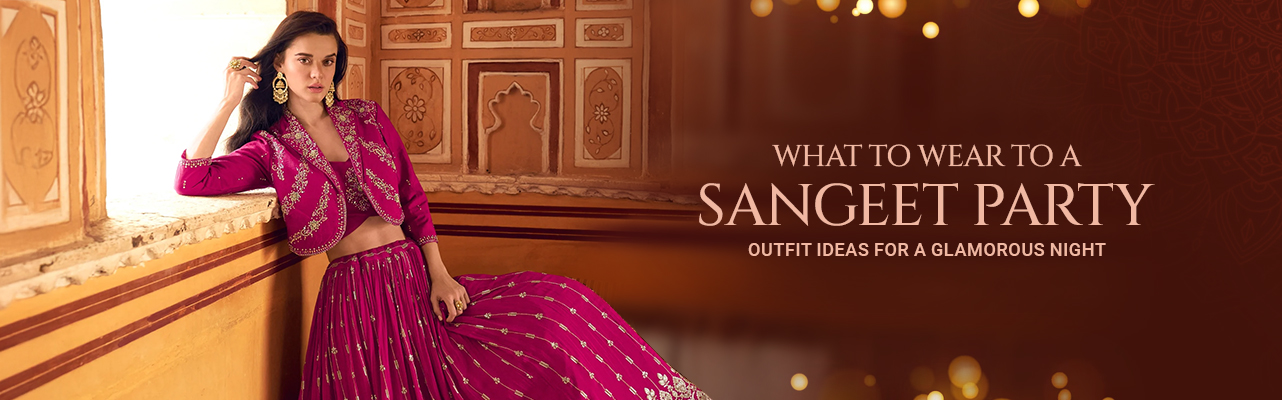
What to Wear to a Sangeet Party – Outfit Ideas for a Glamorous Night
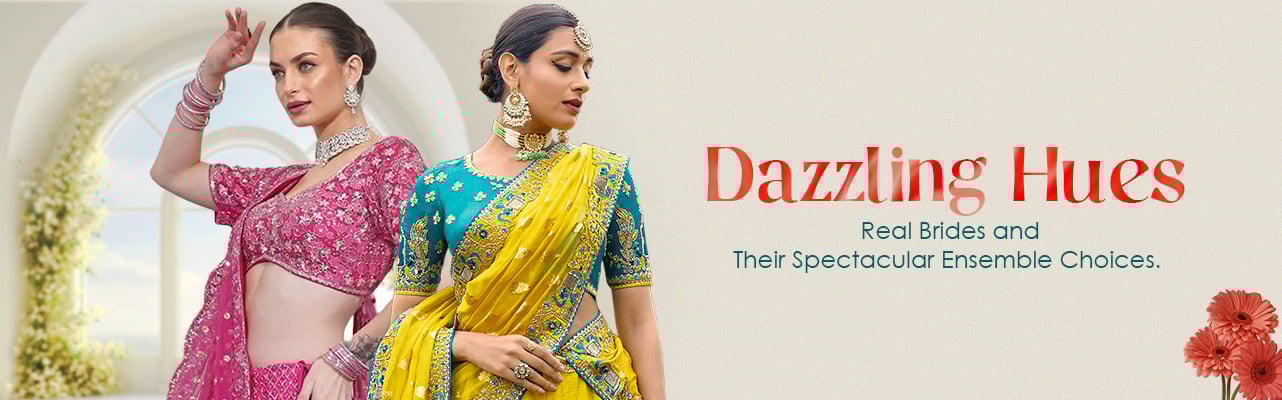
Dazzling Hues: Real Brides and Their Spectacular Ensemble Choices