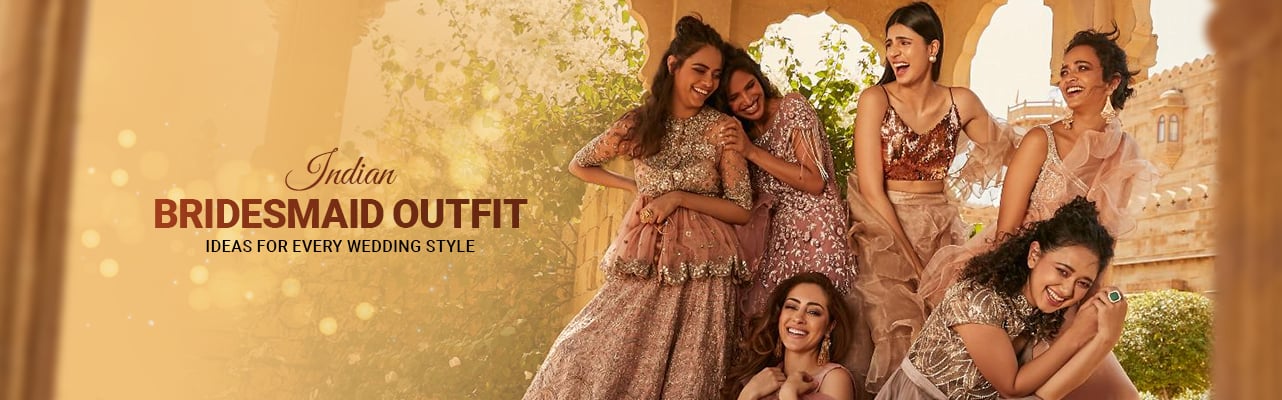

Indian Wedding Dresses for Brides: Color Trends and Styling Tips
Selecting the perfect Indian wedding dresses for a bride represents one of the most significant and emotional decisions in a woman’s life. This single outfit carries the weight of tradition, embodies cultural heritage, and expresses personal style all at once. The bridal ensemble is more than just clothing—it’s a statement of identity, a connection to ancestral customs, and a reflection of the bride’s unique personality on her most important day. The colors you choose, the fabrics you select, and the styling decisions you make all come together to create an unforgettable look that you’ll treasure in photographs and memories for decades to come.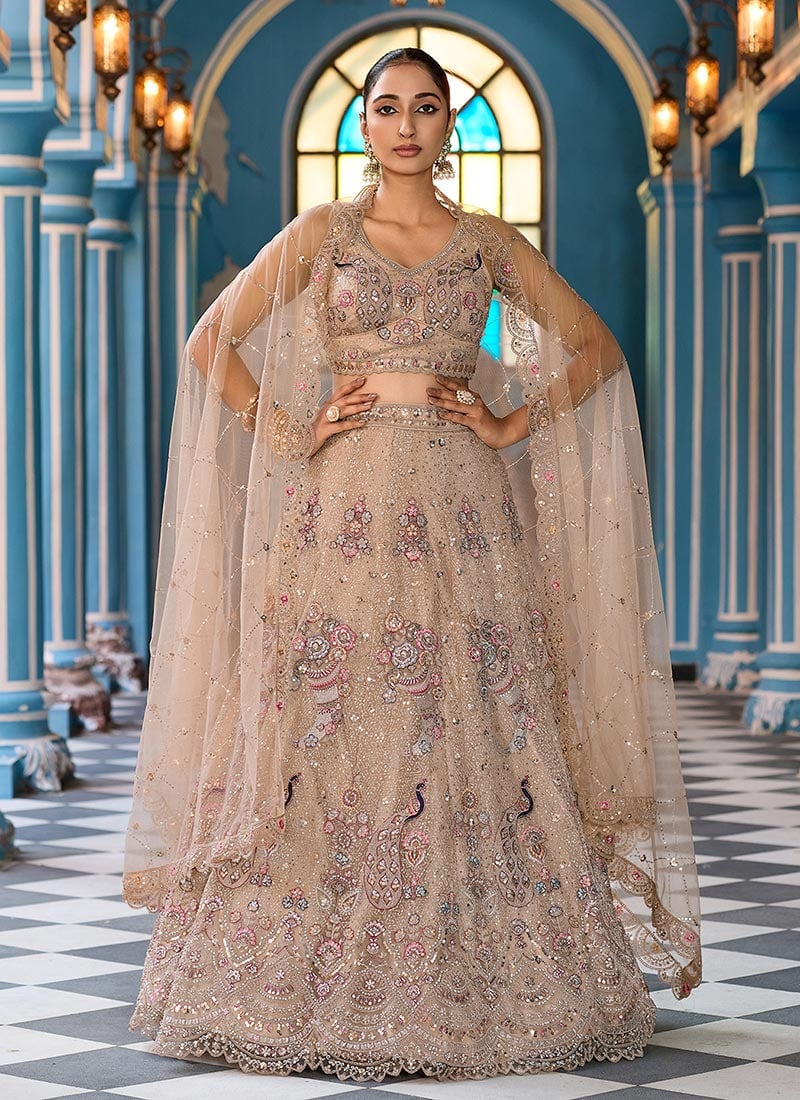
Colors play a particularly powerful role in Indian weddings, defining not just aesthetic preferences but also carrying deep cultural meanings that vary across regions and communities. From the auspicious reds that symbolize prosperity and fertility to the serene pastels that represent modern sensibilities, each color choice tells a story and sets the tone for your celebration. As a bride, Indian wedding dresses continue to gain global recognition and popularity, with international celebrities and fashion influencers embracing these stunning traditional outfits, the fusion of time-honored traditions with contemporary design has created an exciting landscape of possibilities for today’s brides. Whether you’re looking for classic elegance or modern innovation, understanding color trends and styling principles helps you make choices that honor tradition while celebrating your individuality.
Understanding Traditional Bridal Color Significance
The significance of bridal colors in Indian weddings runs deep, rooted in centuries of cultural tradition and regional customs that have shaped how communities celebrate marriage. Red remains the most iconic and universally recognized color for Indian brides, symbolizing prosperity, fertility, passion, and the promise of new beginnings. This vibrant hue is considered supremely auspicious in Hindu tradition, representing Goddess Durga’s power and protection. Maroon and deep crimson variations offer slightly subdued alternatives while maintaining the traditional symbolism that families value. 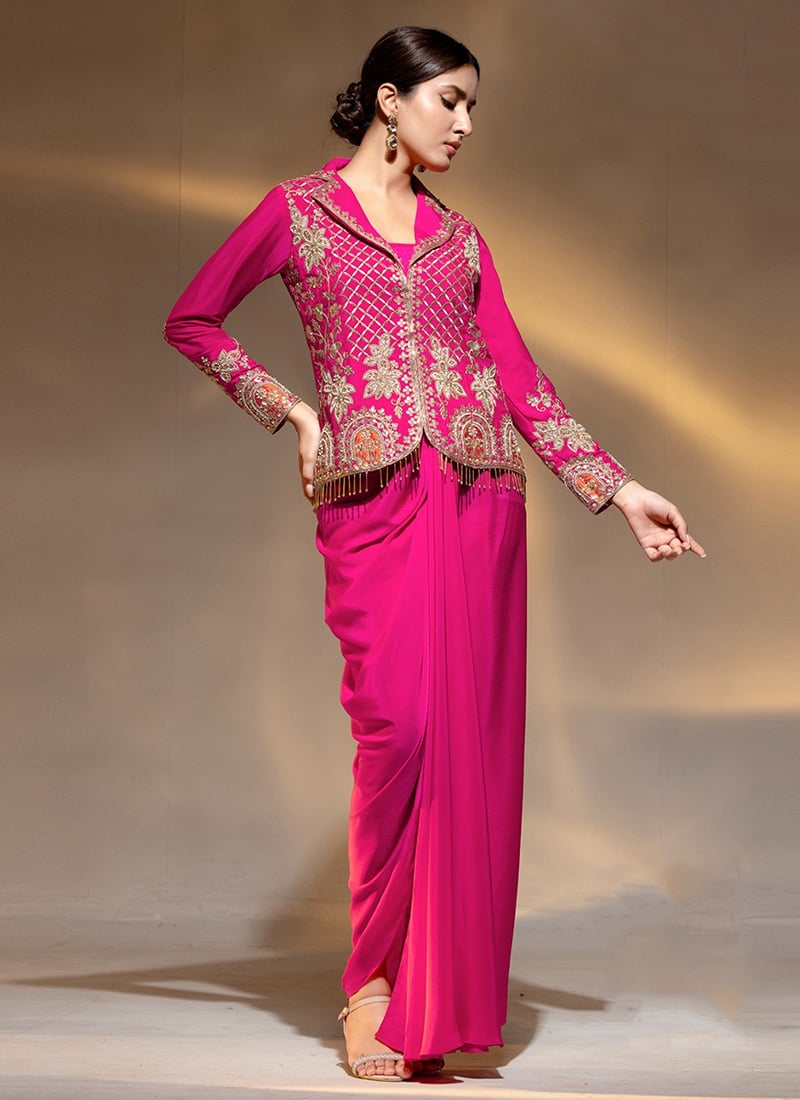
Gold threads woven through bridal attire represent wealth, prosperity, and divine blessings—the metallic shimmer catching light as the bride moves through ceremonial rituals. Regional variations add fascinating complexity to color symbolism. North Indian Punjabi brides traditionally favor bright reds and pinks combined with heavy gold embroidery, while South Indian brides often choose rich Kanjeevaram silk sarees in red with contrasting gold borders. Bengali brides wear distinctive red and white combinations, with the red representing married life and white symbolizing purity. Maharashtrian brides embrace green and gold in their traditional Paithani sarees, while Gujarati brides favor reds and elaborate mirror work. These traditional hues continue inspiring modern brides who want to honor their heritage while incorporating contemporary elements—proving that Indian wedding dresses for bride red options remain timelessly relevant even as new colors enter the bridal palette.
Top Trending Colors for Indian Wedding Dresses for Brides
Today’s bridal color trends beautifully demonstrate how tradition evolves to embrace contemporary aesthetics while respecting cultural roots. Red has been gloriously reinvented beyond the classic bright vermillion—modern brides are choosing sophisticated variations like deep wine red, sultry crimson, romantic cherry red, and elegant burgundy that offer fresh takes on this timeless choice. These evolved reds photograph gorgeously under both natural and artificial lighting while maintaining the auspicious symbolism families value. 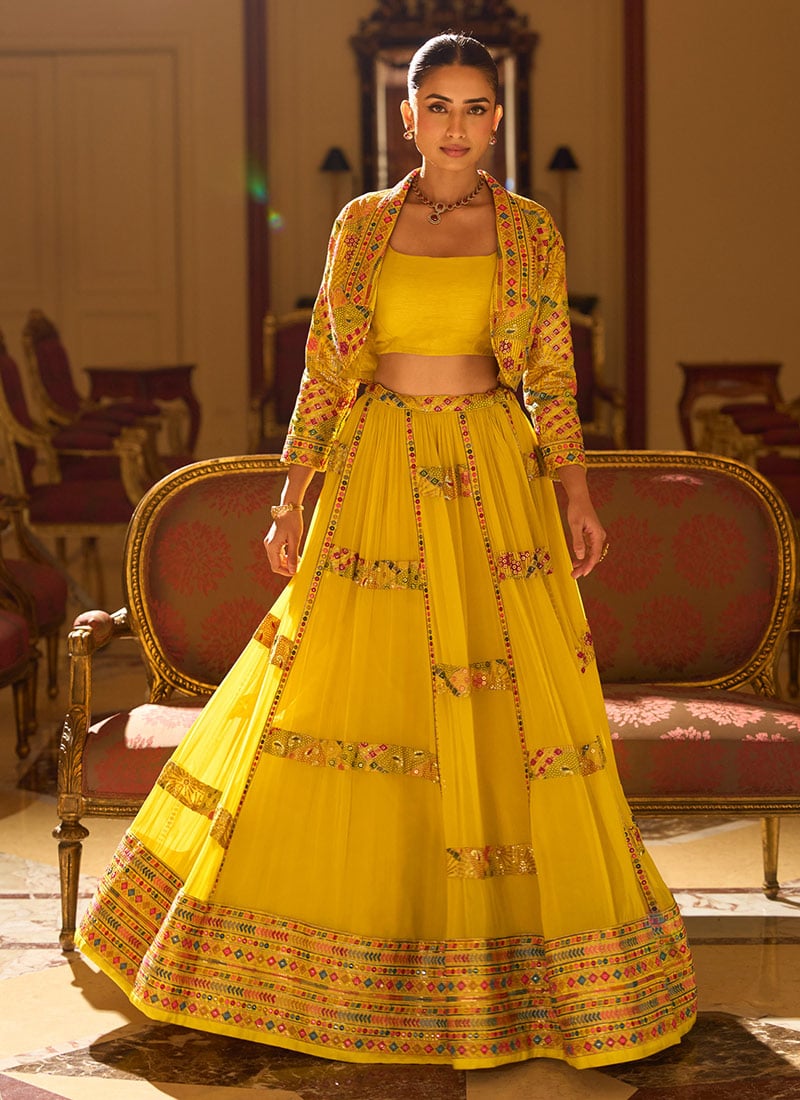
Pastels have emerged as one of the strongest trends, with blush pink, soft peach, romantic lilac, and powder blue creating ethereal, dreamy bridal looks perfect for daytime ceremonies and intimate celebrations. These gentle hues work beautifully for brides seeking softer alternatives to bold traditional colors, particularly appealing for second wedding functions like receptions or mehendi ceremonies. Royal tones including emerald green, sapphire blue, deep ruby, and rich plum create regal, sophisticated statements that photograph dramatically and suit evening celebrations perfectly. These jewel tones offer bold alternatives for confident brides wanting to stand out while maintaining elegance.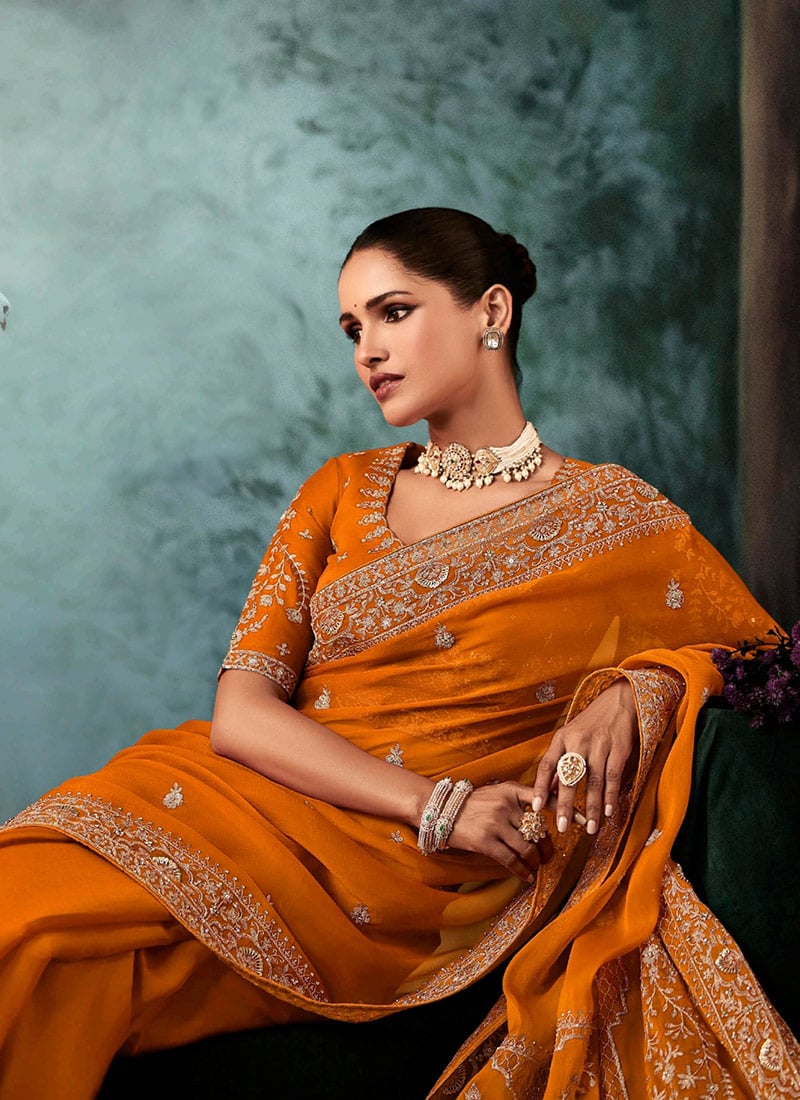
Neutral beauties like ivory, champagne, warm beige, and soft gold have captured the hearts of minimalist brides and those planning fusion celebrations. These sophisticated shades create canvas-like foundations that allow intricate embroidery and jewelry to truly shine. Metallic magic brings contemporary glamour through sequined silver work, rose gold accents, and copper embellishments that add sparkle without traditional color commitments. Many modern brides are combining these trending colors—perhaps a pastel lehenga with metallic embroidery, or ivory base with jewel-toned embellishments—creating unique, personalized looks that feel fresh yet appropriate for sacred ceremonies.
How to Choose the Right Color for Your Bridal Wedding Dress
Selecting your bridal color requires thoughtful consideration of multiple factors beyond personal preference alone. Understanding your skin tone helps identify colors that enhance your natural beauty—fair skin tones are flattered by virtually any color but look particularly stunning in pastels, jewel tones, and classic reds. Medium skin tones glow in warm colors including peach, coral, orange-reds, and gold, while deeper skin tones are gorgeously complemented by rich, saturated colors like emerald, royal blue, deep maroon, and vibrant fuchsia. However, these are guidelines, not rules—confidence and personal preference ultimately matter most.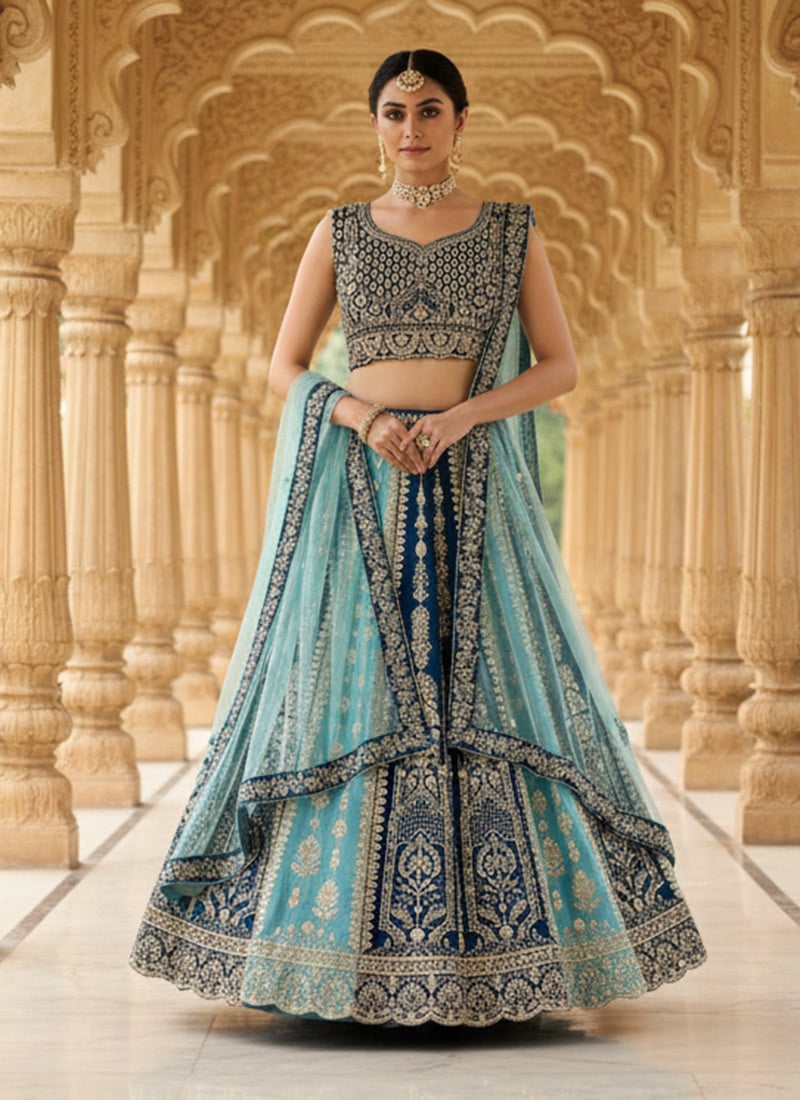
Your wedding theme and décor should harmonize with your bridal outfit for cohesive aesthetic appeal in photographs. If you’re planning a traditional red and gold theme, your indian wedding dresses for bride should coordinate rather than clash with these dominant colors. Venue type significantly influences color selection—outdoor garden weddings during daytime suit pastels and lighter colors that won’t feel heavy in bright natural light, while palace venues with rich architectural details complement jewel tones and deeper colors beautifully. Beach weddings work wonderfully with breezy pastels and ivory shades, whereas farmhouse celebrations embrace both rustic warm tones and vibrant traditional colors.
Consider timing carefully—day weddings call for lighter, brighter colors that photograph well in natural light without appearing washed out, while evening celebrations allow deeper, richer hues and heavier embellishments that sparkle under artificial lighting. Finally, balance cultural traditions with personal preference. While family expectations and regional customs matter, this is ultimately your wedding day. Many modern brides choose traditional colors for the main ceremony to honor family wishes, then wear contemporary colors for reception or other functions, creating the best of both worlds.
Popular Styles of Indian Wedding Dresses for Brides
The diversity of bridal styles available today ensures every bride finds her perfect match regardless of body type, regional background, or aesthetic preference. Lehenga indian wedding dress options dominate contemporary bridal fashion, featuring three-piece ensembles with voluminous skirts, fitted cholis, and elegant dupattas. Designer lehengas showcase incredible craftsmanship with intricate embroidery, luxurious fabrics, and innovative silhouettes ranging from traditional circular cuts to modern mermaid styles. These versatile outfits allow comfortable movement during lengthy ceremonies while creating stunning photographic moments.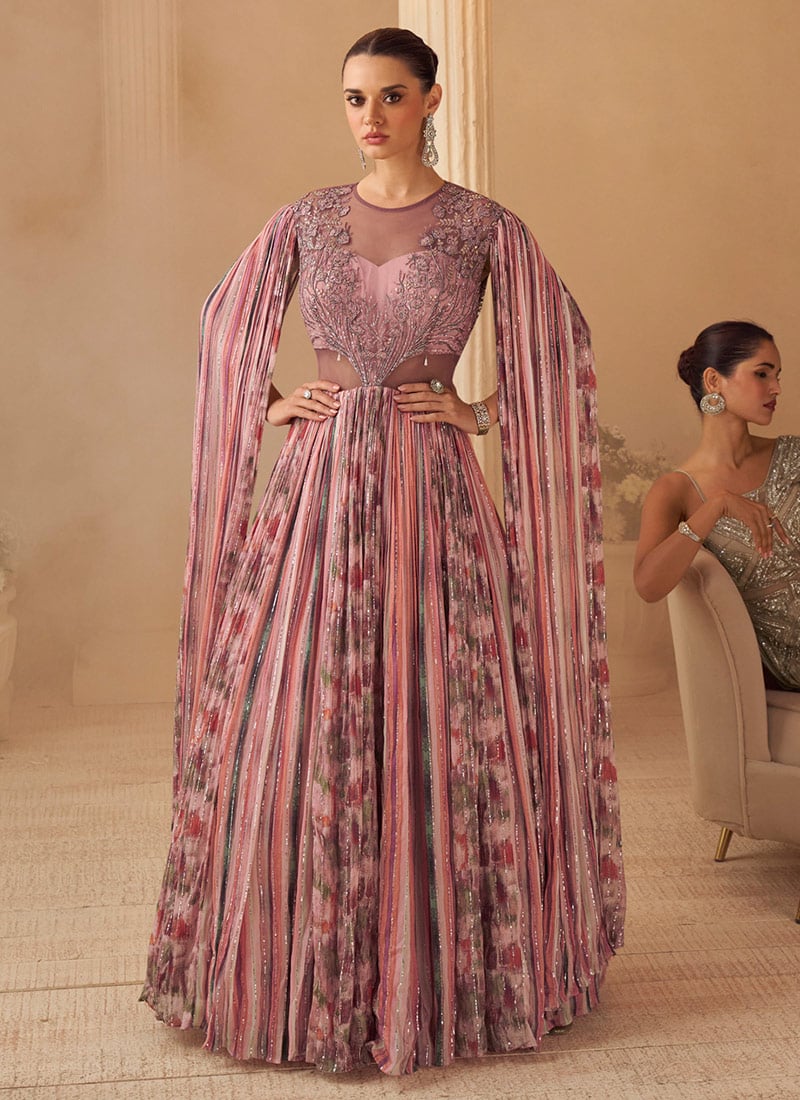
Sarees remain deeply significant for many brides, with indian wedding dresses for bride saree options offering regional specialties and timeless elegance. Banarasi silk sarees from Varanasi feature rich brocade work in gold and silver, perfect for North Indian brides seeking traditional opulence. Kanjeevaram sarees from South India showcase pure silk with contrasting borders and traditional motifs, representing generations of weaving heritage. Paithani sarees from Maharashtra feature distinctive peacock designs, while Patola sarees from Gujarat display geometric patterns created through intricate double ikat weaving. Each regional saree style carries unique cultural significance and artistic tradition.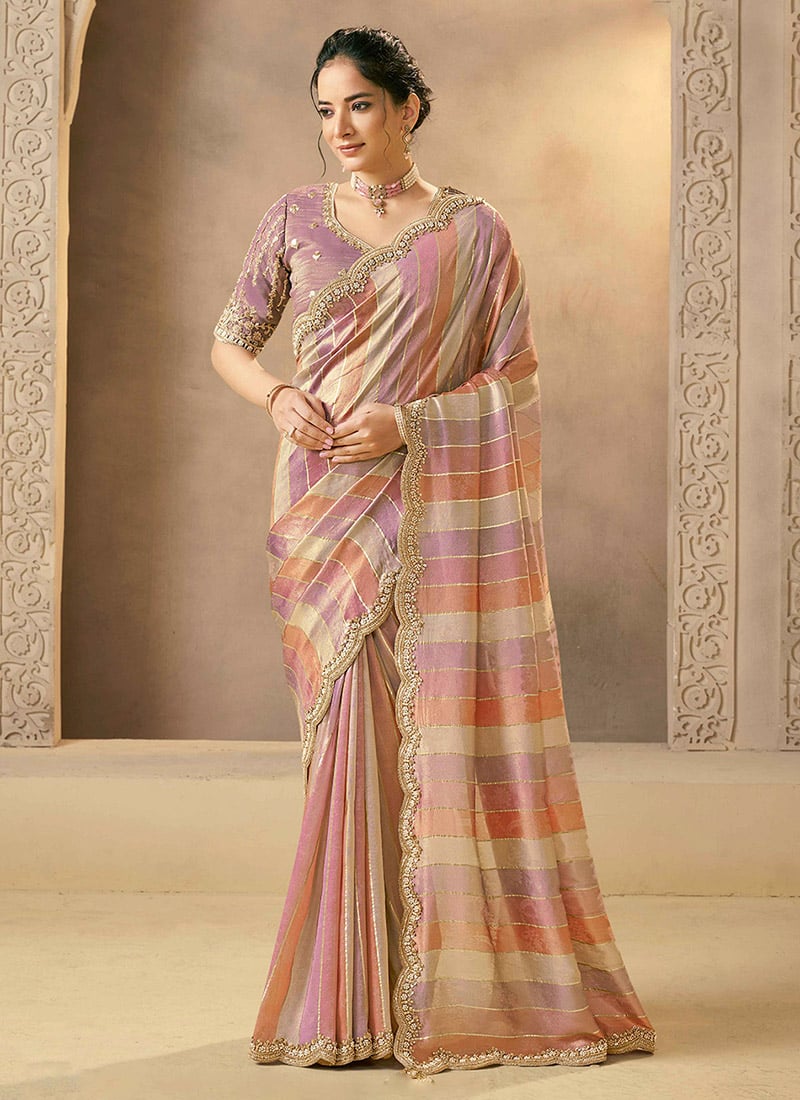
Heavy embroidered Anarkali suits offer graceful alternatives, particularly for Muslim brides or those seeking comfortable yet elegant options. The flowing silhouette flatters various body types while the length adds formality appropriate for wedding ceremonies. Sharara and gharara bridal sets have experienced renewed popularity, combining traditional silhouettes with contemporary embellishments perfect for mehendi and sangeet functions. Indo-western wedding gowns represent fusion at its finest, blending Western silhouettes with Indian embroidery, fabrics, and design elements—ideal for brides planning cross-cultural celebrations or simply wanting something unique that honors multiple traditions.
Styling Tips: Jewelry, Makeup & Accessories
Creating your complete bridal look requires strategic styling that harmonizes your outfit, jewelry, makeup, and accessories into one cohesive, stunning presentation. Jewelry selection should complement rather than overwhelm your color palette—red and maroon bridal outfits pair beautifully with traditional gold jewelry including heavy necklaces, jhumkas, and bangles that enhance the auspicious aesthetic. Pastel outfits work with delicate jewelry in rose gold, pearls, or diamond sets that maintain the soft, romantic vibe. Jewel-toned outfits like emerald or sapphire allow bold jewelry choices—consider contrasting metals or colored gemstones that create interesting visual dimensions.
Makeup looks should enhance your natural features while complementing your outfit’s color story. Red bridal outfits traditionally pair with bold makeup—defined eyes, classic red or nude lips, and highlighted features that hold up during lengthy ceremonies and photograph beautifully. Pastel brides often choose softer makeup with emphasis on glowing skin, subtle eyes, and pink or peach lip shades that enhance the ethereal aesthetic. For jewel-toned outfits, create balance with either dramatic eyes and nude lips, or subtle eyes with bold lip colors that pick up tones from your outfit.
Hairstyle selection depends on your outfit style and personal comfort—traditional lehengas and sarees look stunning with elaborate braids adorned with fresh flowers, while contemporary fusion pieces work beautifully with elegant updos or flowing curls. Accessory choices complete your bridal transformation: sheer veils or heavily embroidered dupattas frame your face and add ceremonial elegance; kaleeras (ornamental hangings) attached to bangles represent Punjabi tradition; red and white choodas (bridal bangles) signify newly married status in North Indian culture; decorative belts cinch lehengas and add definition to your silhouette.
Trending Embroidery & Fabric Choices
The embroidery and fabric selections for your bridal outfit significantly impact both aesthetic appeal and overall comfort during your wedding day. Zardozi embroidery featuring metallic threads creates rich, luxurious surfaces perfect for traditional red and jewel-toned outfits. Resham threadwork offers colorful, intricate patterns ideal for adding dimension to both traditional and contemporary color palettes. Mirror work adds sparkle and cultural authenticity, particularly popular in Gujarati and Rajasthani bridal traditions. Sequin work creates glamorous shimmer perfect for reception outfits and evening celebrations where you want maximum photographic impact.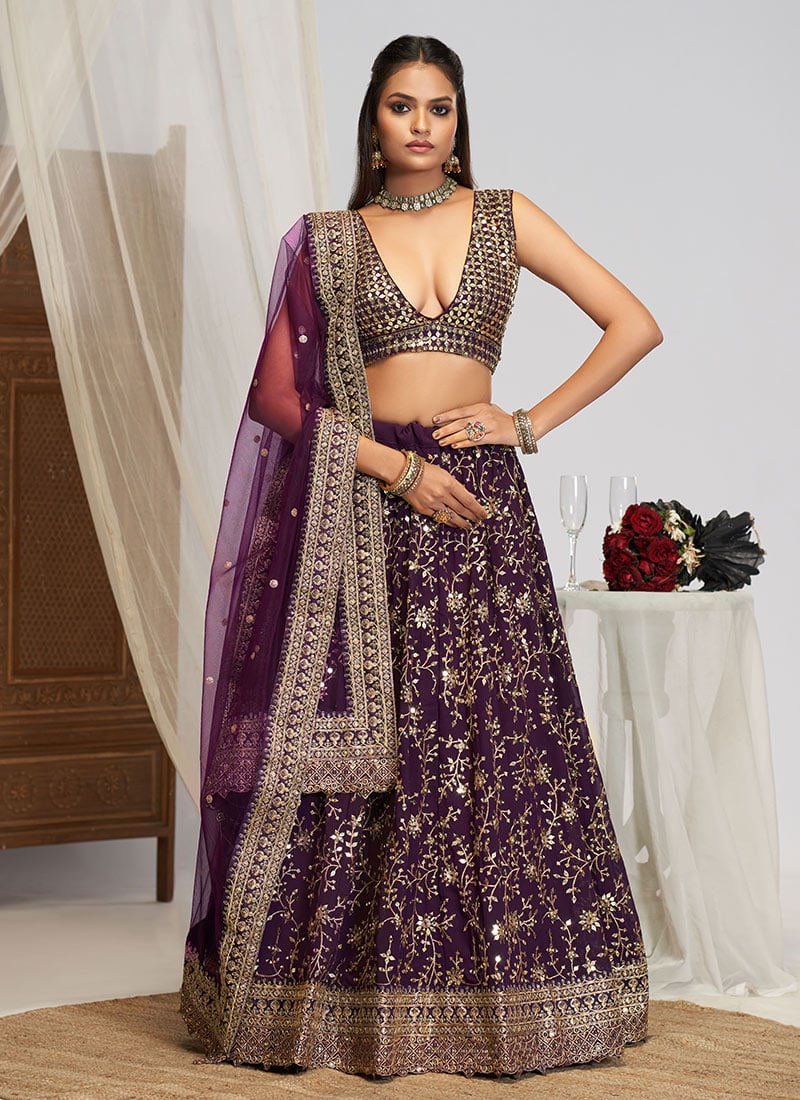
Fabric choices form the foundation of your bridal ensemble’s look and comfort. Pure silk remains the gold standard for bridal wear, offering luxurious feel, beautiful drape, and traditional authenticity that families value. Velvet creates regal, opulent aesthetics perfect for winter weddings and evening ceremonies, though it can be warm for extended wear or heated venues. Georgette provides lightweight comfort with elegant flow, ideal for heavily embellished lehengas where the fabric weight might otherwise become uncomfortable. Organza offers sheer, delicate beauty perfect for layered designs and contemporary fusion pieces. Banarasi silk combines the richness of silk with traditional brocade weaving, creating textured, substantial fabrics perfect for sarees and lehengas a like.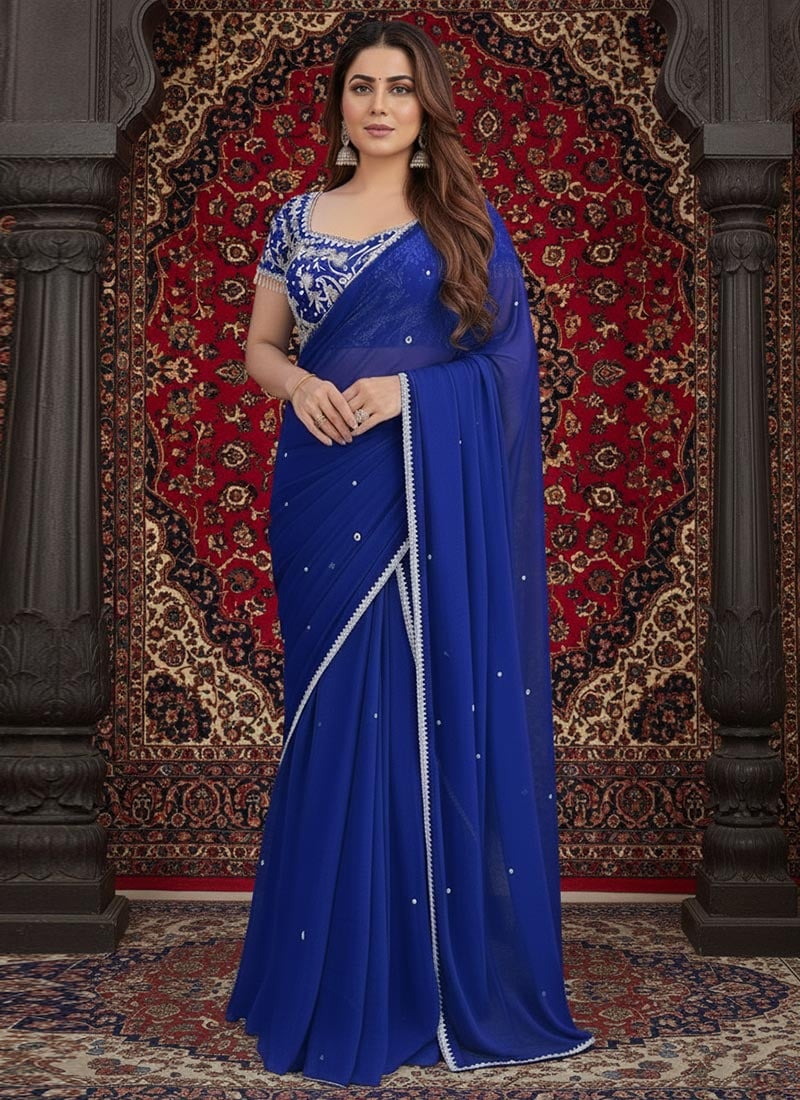
The relationship between embellishment and color creates your outfit’s final impact—heavy gold embroidery on deep red creates traditional opulence, delicate thread work on pastels offers romantic subtlety, and mirror work on jewel tones provides bold, celebratory aesthetics. Understanding how these elements interact helps you make informed choices when shopping for indian wedding dresses for bride online, where you can’t physically touch fabrics but must rely on descriptions and images to guide decisions.
Tips for Shopping Bride Indian Wedding Dresses Online
Online shopping has revolutionized how brides find their perfect wedding attire, offering access to designers and collections beyond geographical limitations. Shopping for indian wedding dresses for bride online requires strategic approaches to ensure satisfaction despite not physically seeing pieces before purchase. Start by researching trusted retailers with established reputations—platforms like Cbazaar USA, designer boutique websites, and specialized ethnic wear retailers offer quality products with reliable customer service and reasonable return policies that protect your investment.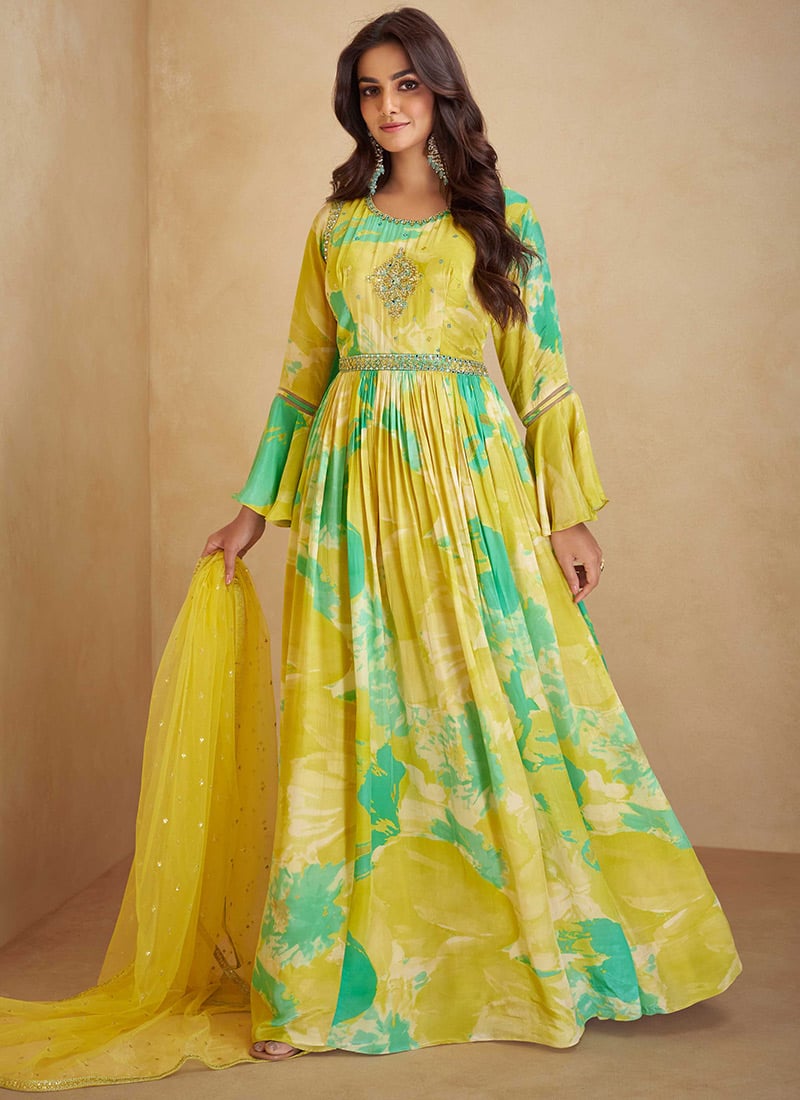
Size and customization considerations are crucial for online purchases. Most reputable retailers provide detailed size charts with measurements in inches—take your measurements accurately or have a professional measure you, then compare carefully against provided charts. Many online stores offer custom stitching services where you submit your exact measurements for made-to-order pieces, typically adding modest costs but ensuring significantly better fit than ready-made options. This customization becomes particularly valuable for bridal wear where perfect fit is non-negotiable.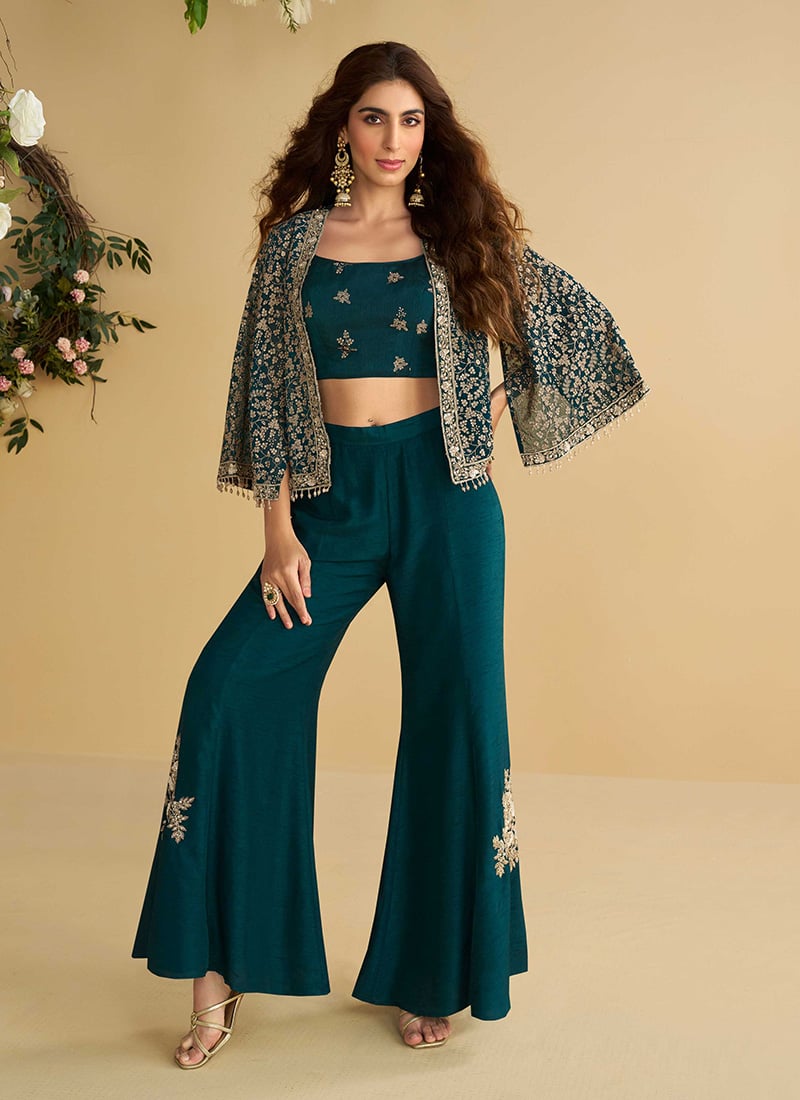
Before ordering, scrutinize product descriptions and images carefully. Look for multiple high-resolution photos showing the outfit from various angles, close-ups of embroidery work, and ideally, customer-uploaded photos showing real people wearing the piece. Check color accuracy by reading reviews specifically mentioning whether colors matched expectations—screen displays vary significantly, so customer feedback provides valuable reality checks. Verify fabric details including material composition, lining quality, and embellishment attachment methods. Understand the return policy completely before purchasing—know the return window, whether custom pieces are returnable, who pays return shipping, and how refunds are processed. Order well in advance (at least 3-4 months before your wedding) to allow time for shipping, potential returns or exchanges, and necessary alterations.
Final Checklist for Brides Before the Big Day
As your wedding approaches, systematic preparation ensures everything comes together perfectly without last-minute stress or surprises. Schedule your outfit fitting at least 2-3 weeks before the wedding, allowing time for final alterations if needed. Try on the complete ensemble including all accessories, and move around to ensure comfort—sit, walk, raise your arms, and simulate activities you’ll perform during ceremonies. The outfit should feel secure without being uncomfortably tight, and you should be able to move freely without fear of wardrobe malfunctions.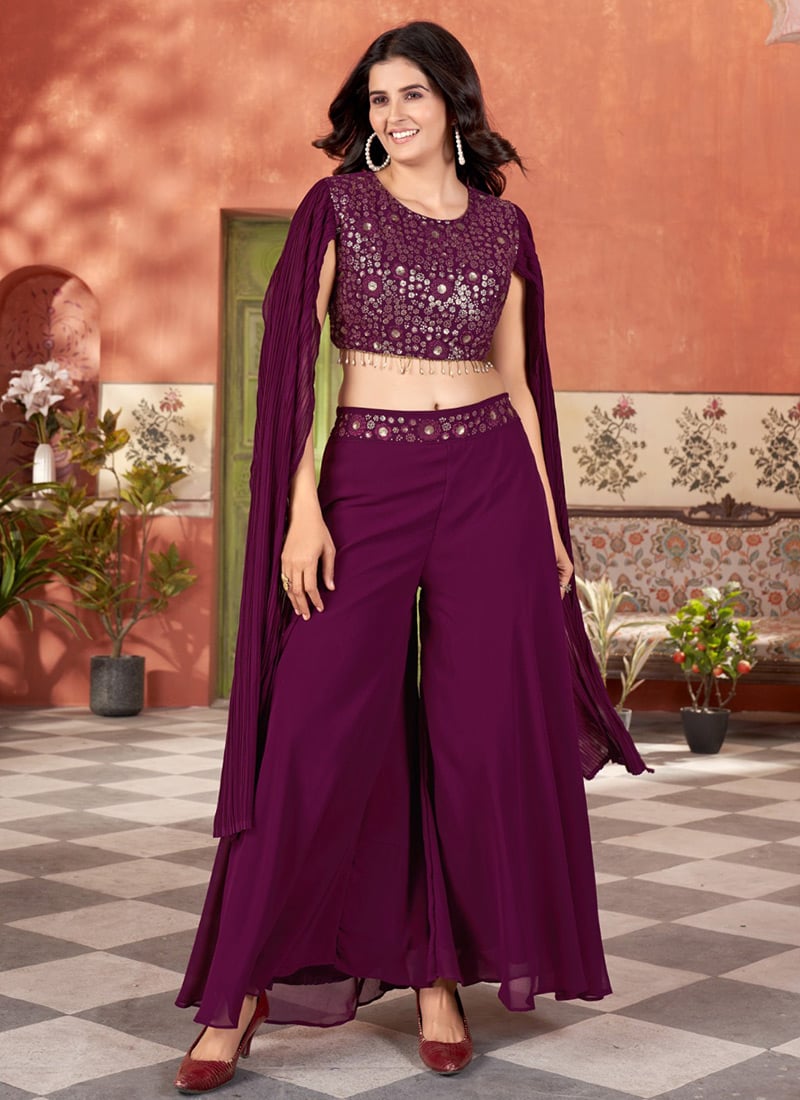
Conduct a jewelry trial wearing your complete bridal outfit to ensure pieces complement rather than overwhelm your look. Verify that necklaces sit properly with your neckline, earrings don’t catch on your dupatta, and bangles fit comfortably without excessive tightness. A makeup test run with your makeup artist while wearing your bridal colors helps ensure color coordination and allows adjustments before the actual day. Take photos in different lighting conditions to see how makeup translates in photographs.
Practice dupatta draping with your outfit, especially if you’re wearing a saree or traditional lehenga with elaborate draping. Consider whether you’ll manage it yourself or need assistance throughout the day, and arrange for that support. Prepare backup accessories including safety pins for securing dupattas, fashion tape for blouse adjustments, extra bangles in case of breakage, and comfortable footwear for relief after formal photographs. Having these essentials prevents minor issues from becoming major stresses on your wedding day.
Conclusion
Choosing the right indian wedding dresses for bride sets the foundation for your entire wedding aesthetic and significantly impacts how you feel during one of life’s most important celebrations. As we’ve explored, today’s bridal fashion landscape beautifully balances traditional values with contemporary innovation—from reinvented reds and romantic pastels to regal jewel tones and sophisticated neutrals, modern brides have unprecedented options for expressing their unique identities while honoring cultural heritage. Understanding color significance, considering practical factors like venue and timing, selecting appropriate styles and embellishments, and shopping strategically all contribute to finding your perfect bridal ensemble.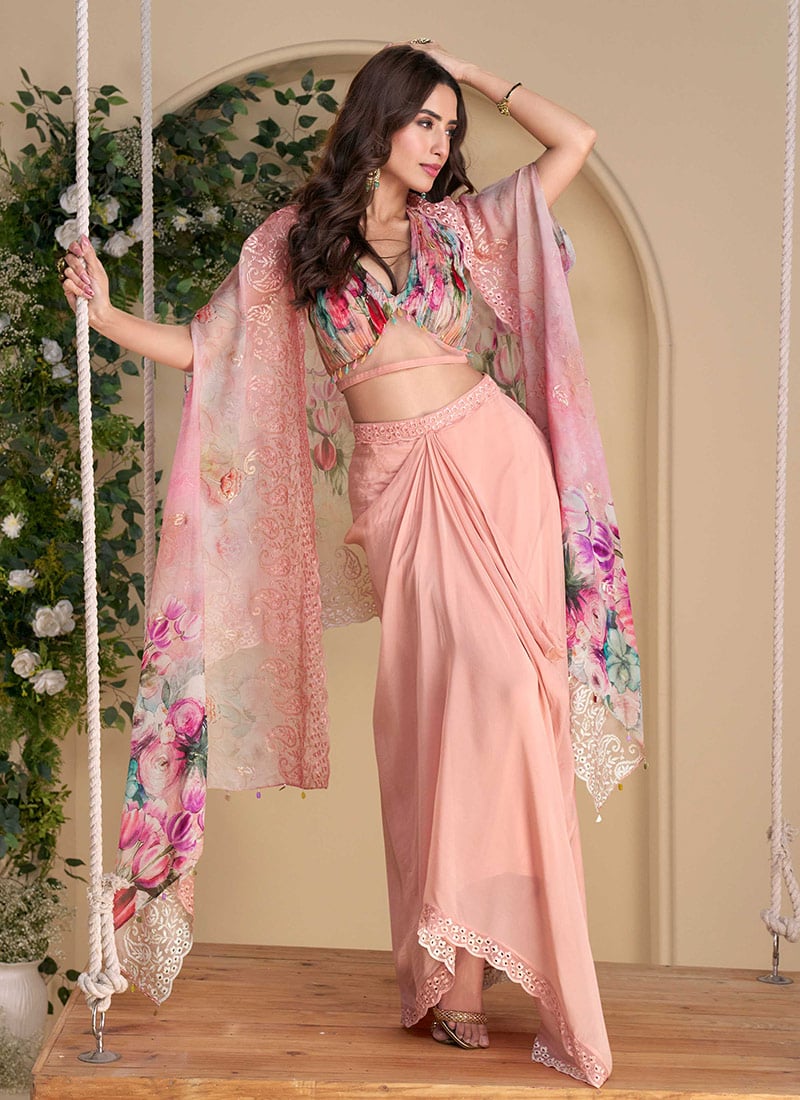
Remember that the most stunning bride is one who feels confident, comfortable, and authentically herself in her chosen outfit. While tradition provides valuable guidance and family input matters, ultimately this is your moment to shine in clothing that makes you feel beautiful and represents who you are. Whether you choose a classic indian wedding dresses for bride red lehenga honoring generations of tradition, a contemporary pastel saree reflecting modern sensibilities, or a fusion creation blending multiple influences, the perfect choice is one that resonates with your heart and allows you to fully embrace the joy and significance of your wedding day. Blend tradition with personal style fearlessly, trust your instincts, and step into married life wearing an outfit that tells your unique story with beauty, grace, and confidence.
You May Also Like

Stunning Outfit Ideas for Attending an Indian Wedding
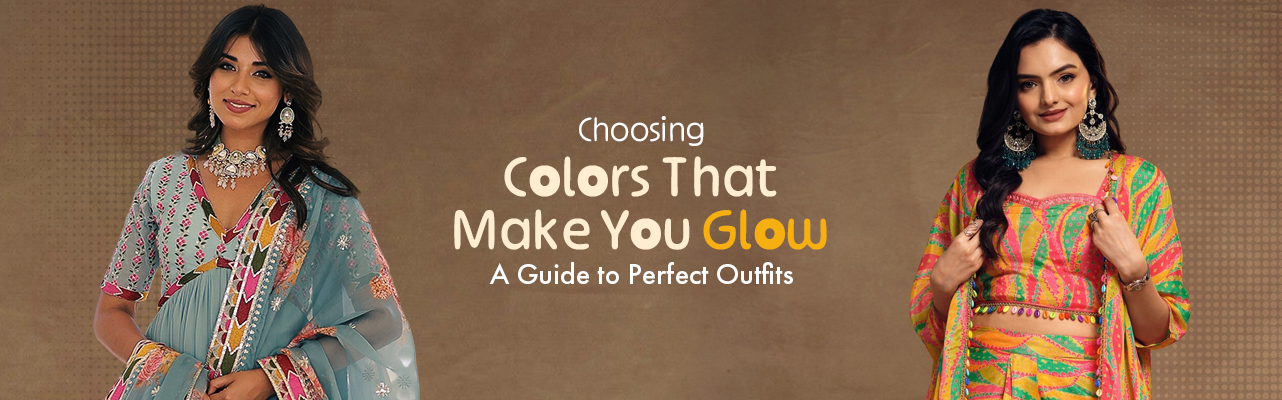
Choosing Colors That Make You Glow: A Guide to Perfect Outfits