
Did You Know Each Indian State Has Its Own Signature Traditional Saree?
There’s something magical about watching a woman drape a saree—the way six yards of fabric transform into an elegant garment that’s been worn for thousands of years. The saree isn’t just clothing in India; it’s living history wrapped around the body, carrying stories of ancient civilizations, regional artistry, and family traditions passed down through generations. What many people don’t realize is that India’s incredible diversity shows up beautifully in its sarees. Every single state has developed its own signature style, weaving technique, and aesthetic that makes its Traditional Indian Saree instantly recognizable to those who know what to look for. From the opulent Banarasi silk that shimmers with gold thread in Uttar Pradesh to the vibrant Kanjeevaram that South Indian brides treasure, each regional saree tells a unique story about the people, climate, culture, and artistic traditions of its birthplace. This fascinating textile journey across India reveals how one garment can take on countless beautiful forms.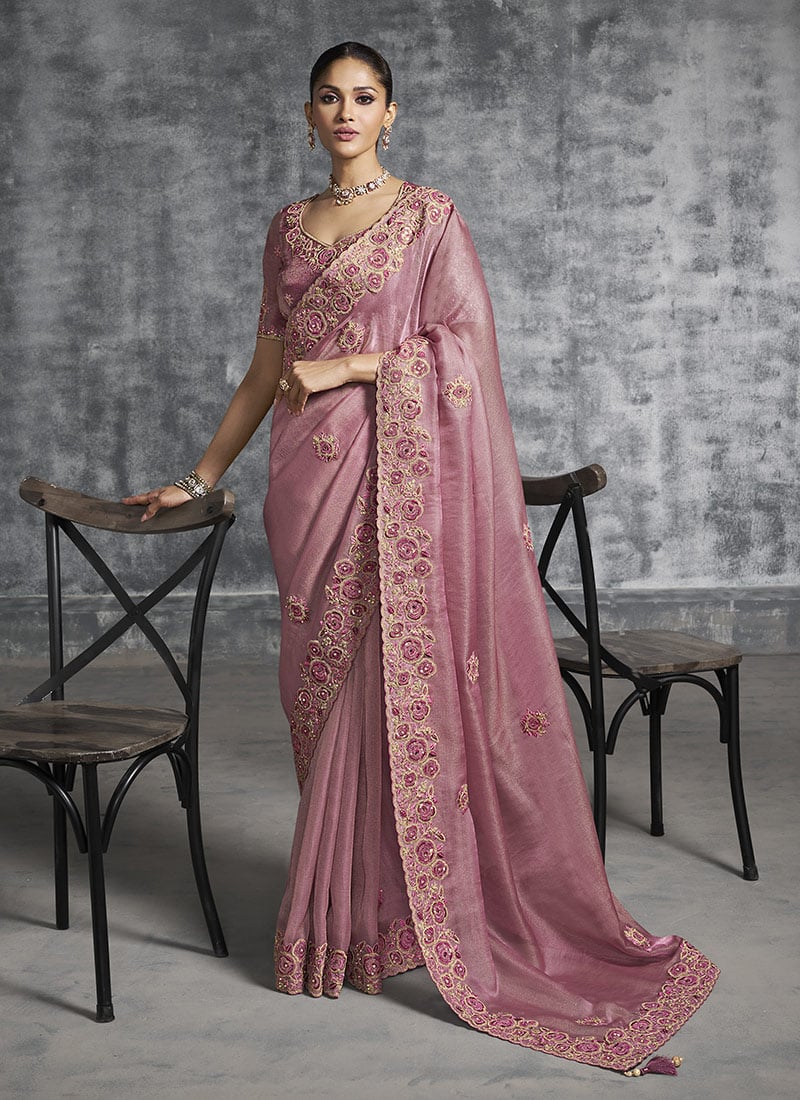
The Cultural Significance of the Traditional Indian Saree
The saree’s history stretches back at least 5,000 years, making it one of the world’s oldest surviving garments still in everyday use. Ancient sculptures and texts reference this draped garment, proving its timeless appeal across millennia. What’s remarkable is how the saree has evolved while maintaining its essential form—it remains unstitched fabric that requires skill and artistry to drape properly.
Beyond its historical importance, the Traditional Indian Saree carries deep emotional and traditional value in Indian life. It’s what mothers gift daughters on significant life milestones. It’s what brides wear during wedding ceremonies, creating memories that last lifetimes. During festivals like Durga Puja, Diwali, or Pongal, women across India reach for their special sarees, connecting with tradition through fabric. Religious rituals and cultural ceremonies often require specific saree styles, making them essential to maintaining cultural continuity.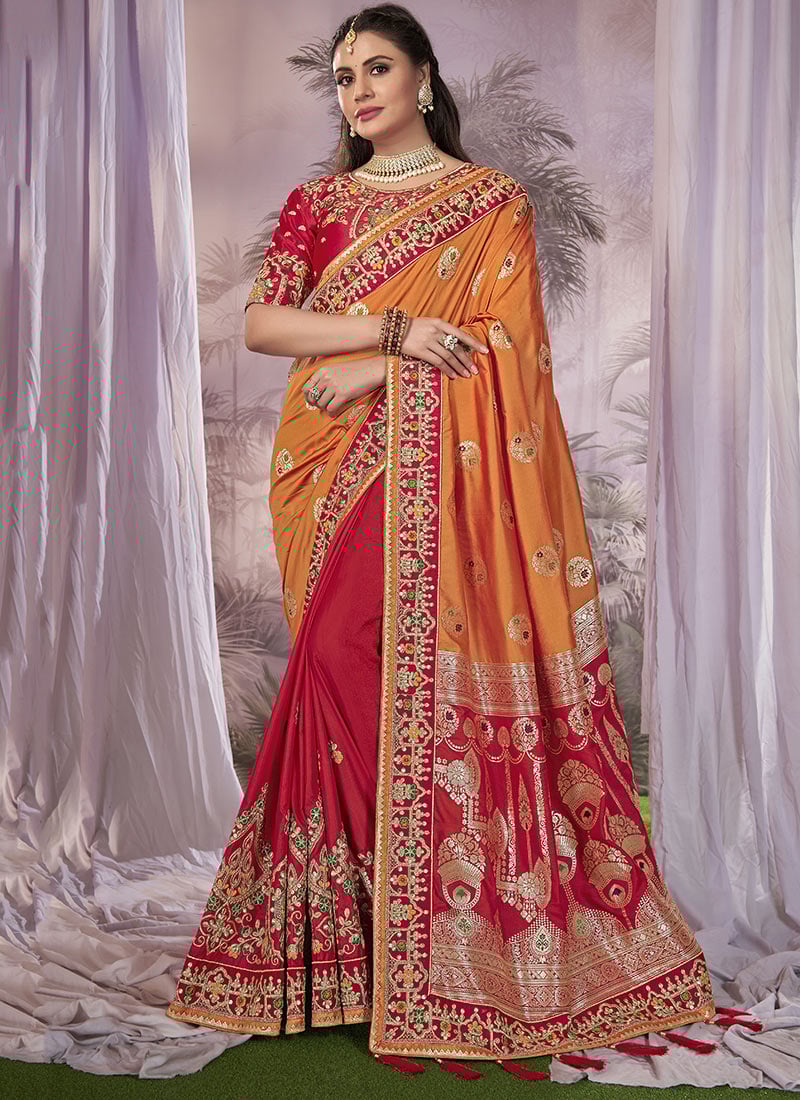
Perhaps most importantly, the saree serves as a powerful symbol of regional heritage. The moment you see a particular weave, color combination, or border style, you can often identify which part of India it comes from. These regional variations aren’t just aesthetic choices—they reflect local climate needs, available materials, historical influences, and the artistic sensibilities developed over centuries in that specific geography.
Traditional Indian Sarees Categorised by Different State and Region
India’s geographical and cultural diversity has created an incredible variety of saree styles, each representing its state’s unique identity. These regional variations showcase different weaving techniques, fabric choices, motifs, and wearing traditions that have evolved over centuries. Let’s explore this beautiful tapestry of Traditional Indian Sarees across the country, discovering how each state has contributed its distinctive voice to India’s textile heritage.
North India Traditional Sarees
North India’s sarees reflect the region’s rich history of royal patronage and its diverse climate—from the cold Himalayan regions to the hot plains. These states have developed sarees ranging from warm, woolen varieties to luxurious silk weaves adorned with intricate embroidery and embellishments.
Uttar Pradesh: Banarasi Silk Saree
Varanasi (Banaras) produces India’s most famous silk sarees, beloved by brides across the country. These sarees feature rich zari work—that gorgeous gold and silver thread embroidery—creating regal designs inspired by Mughal art. Intricate brocade patterns, often depicting flowers, leaves, and geometric shapes, make each Banarasi saree a masterpiece. The heavy silk fabric drapes beautifully and lasts generations, making them family heirlooms.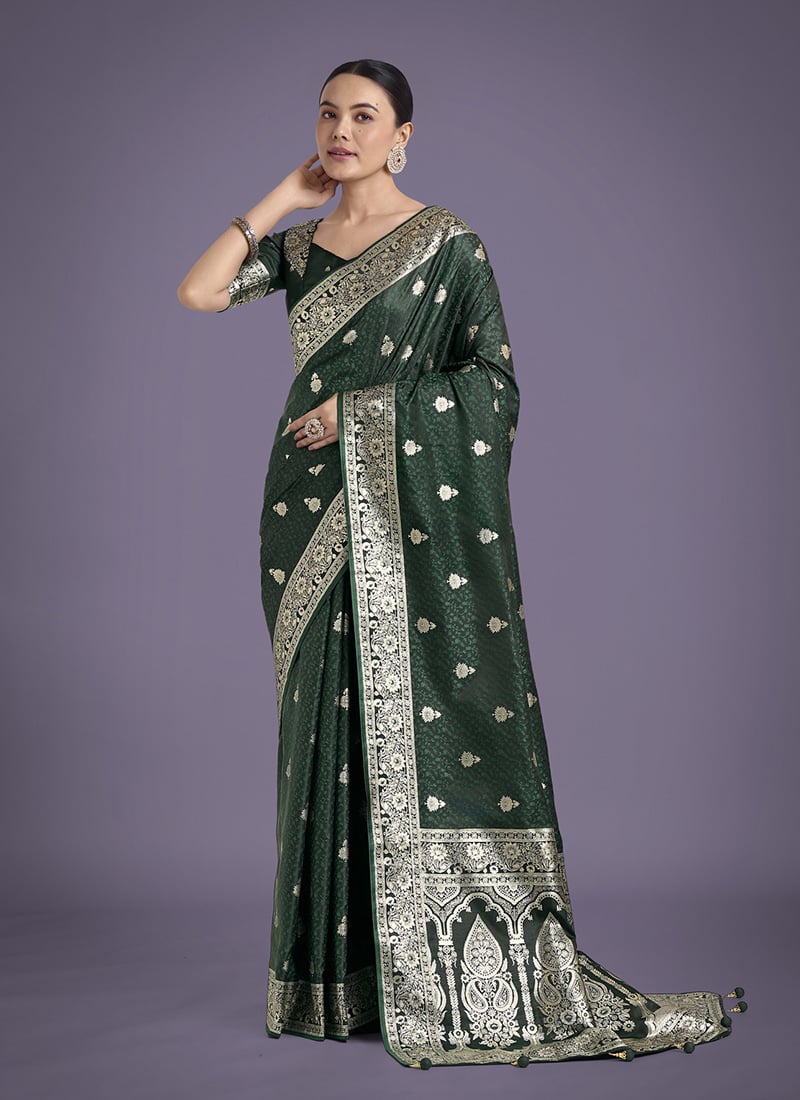
Punjab: Phulkari Saree
Punjab’s contribution features vibrant floral embroidery that literally means “flower work.” These sarees showcase rich, colorful embroidery on cotton or silk bases, creating stunning visual impact. Traditionally worn during weddings and festivals, Phulkari sarees represent joy and celebration. The embroidery is so dense in some pieces that it completely covers the base fabric, creating a tapestry-like effect.
Jammu & Kashmir: Kashmiri Crepe Saree
From the beautiful Kashmir valley comes this elegant saree known for fine embroidery work. Aari or Sozni embroidery techniques create delicate, intricate patterns on soft crepe fabric. These sarees often feature paisley motifs, florals, and the famous chinar leaf design. The craftsmanship involved is extraordinary—each piece represents hours of skilled needlework.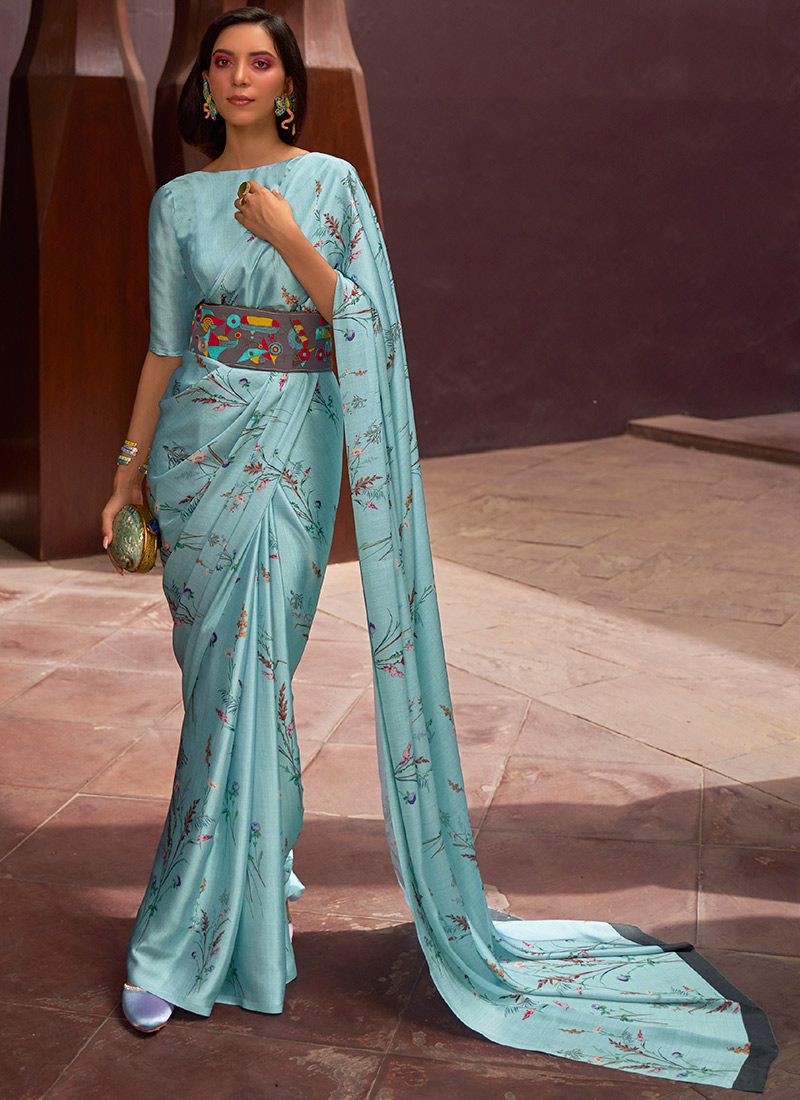
Himachal Pradesh: Kullu Viyaah Doti Saree
The cold Himalayan climate necessitated warm sarees, leading to this wool-based traditional garment. Typically worn in cold weather regions, these sarees feature geometric patterns in bright colors woven into thick wool. While not silk-based like many Indian sarees, they’re culturally significant and beautifully adapted to mountain life.
Haryana: Dholu Silk Saree
Lesser-known but culturally important, Haryana’s Dholu silk sarees are known for their sturdy weave and rustic charm. These sarees use earthy colors and simple patterns, reflecting the state’s agricultural heritage. The strong weave makes them practical for daily wear while maintaining traditional aesthetics.
Uttarakhand: Kumaoni & Garhwali Sarees
These handwoven cotton sarees feature traditional patterns specific to the mountain regions. Simple, comfortable, and practical, they use natural dyes and local cotton. The designs often incorporate geometric patterns and stripes in colors that reflect the natural mountain landscape—greens, browns, and warm earth tones.
South India Traditional Sarees
South India is synonymous with silk sarees that represent the pinnacle of Indian weaving artistry. This region’s sarees are characterized by rich silk, vibrant colors, heavy borders, and designs inspired by temple architecture and local flora.
Tamil Nadu: Kanjeevaram Saree
The crown jewel of South Indian sarees, Kanjeevaram (or Kanchipuram) sarees are made from luxurious mulberry silk with golden borders that make them instantly recognizable. Temple motifs—peacocks, elephants, gopurams (temple towers)—adorn these sarees. The contrast border is a distinctive feature, often in a completely different color than the body. These sarees are wedding essentials across South India and beyond.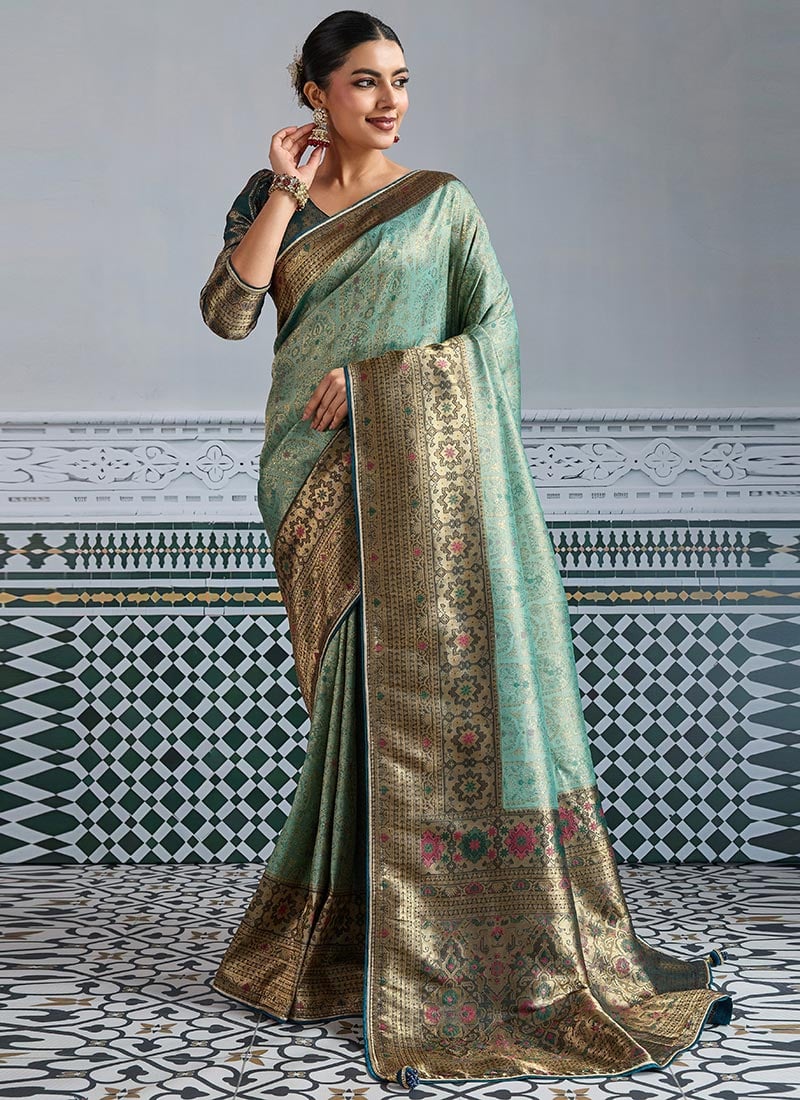
Karnataka: Mysore Silk Saree & Ilkal Saree
Karnataka offers two distinct saree traditions. Mysore silk features elegant silk with a soft, subtle sheen, lighter than Kanjeevaram but equally beautiful. The Ilkal saree is unique with its cotton body and silk pallu (the draped end), featuring a distinctive Kasuti embroidery. The bright tones and cotton-silk blend make it comfortable yet festive.
Kerala: Kasavu Saree
Kerala’s signature saree features a striking white-gold combination that’s elegantly simple. The cream or off-white cotton base with a golden zari border is worn during festivals like Onam and Vishu, and at weddings. This saree represents Kerala’s aesthetic of understated elegance—beautiful without being ostentatious.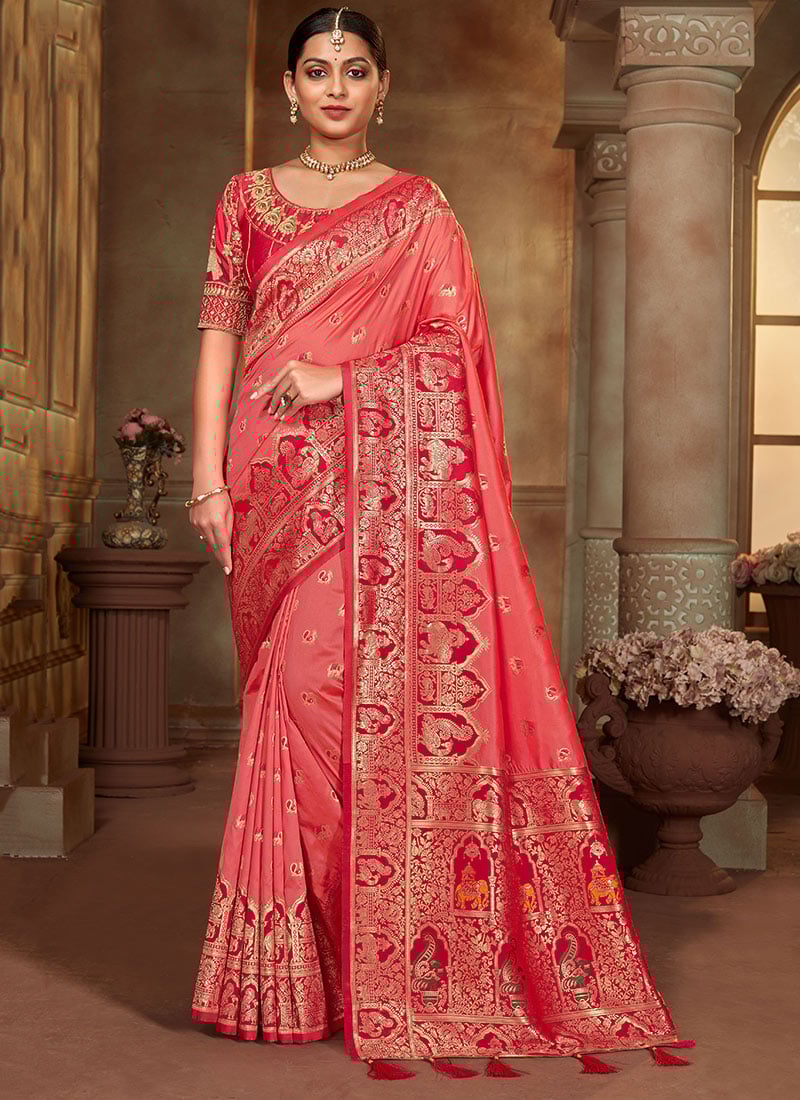
Andhra Pradesh & Telangana: Gadwal Saree & Pochampally Saree
These neighboring states share rich weaving traditions. The Gadwal saree is a lightweight silk-cotton blend with a distinctive zari border, perfect for hot climates. The Pochampally saree features geometric patterns created through ikat dyeing technique—threads are tie-dyed before weaving, creating beautifully blurred, artistic patterns in both silk and cotton varieties.
East India Traditional Sarees
Eastern India’s sarees reflect the region’s artistic traditions and comfortable cotton weaving suited to the humid climate. These states have perfected lightweight, breathable sarees with intricate patterns that remain comfortable in tropical weather.
West Bengal: Tant & Jamdani Sarees
Bengal’s tant sarees are lightweight cotton handwoven pieces perfect for the region’s heat and humidity. The Jamdani saree is more elaborate—featuring handwoven motifs that appear to float on the fabric. Creating a Jamdani requires extraordinary skill, as weavers manually add each motif during weaving. These sarees are so fine they can be pulled through a ring, earning them the poetic name “woven air.”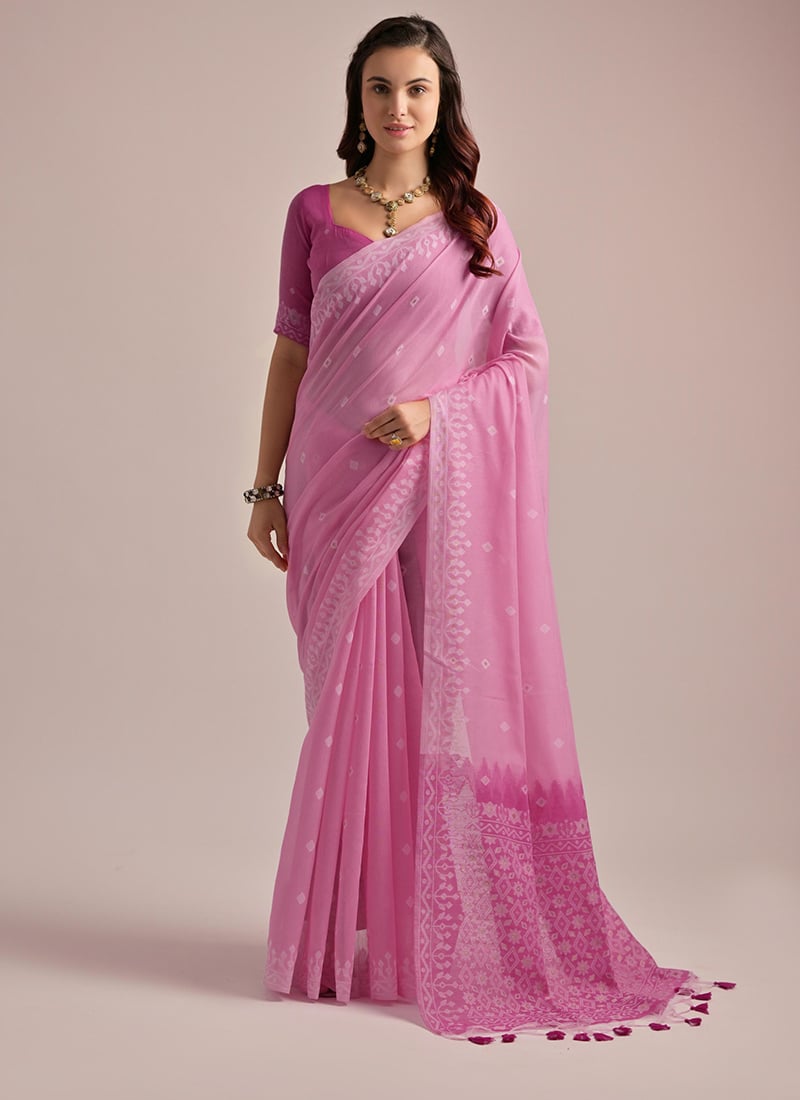
Odisha: Sambalpuri Ikat Saree
Odisha’s handloom weaving saree tradition centers on the ikat technique, where threads are tie-dyed before weaving to create patterns. Geometric patterns with hand-dyed weaving create distinctive designs—the slightly blurred edges are characteristic of authentic ikat. Traditional motifs include shells, wheels, and flowers, each carrying symbolic meaning in Odia culture.
Bihar: Bhagalpuri Silk Saree
Known as the “Silk City of India,” Bhagalpur produces tussar silk sarees famous for their lightweight silk and natural dyes. These sarees have a natural golden sheen and slightly coarse texture that’s actually prized. The comfortable weight makes them practical for everyday wear while maintaining elegance.
Assam: Mekhela Chador
Technically a two-piece garment rather than a traditional saree, this indigenous handloom style is Assam’s cultural attire. Made from Muga silk, Assam’s specialty, it features beautiful golden color and remarkable durability. The fabric actually improves with age, developing a richer patina.
Jharkhand: Tussar Silk Saree
Jharkhand produces tussar silk with natural texture and sheen, often left undyed to showcase raw silk’s organic beauty. The natural gold color, slightly coarse texture, and matte finish create understated elegance. These sarees are increasingly popular among women who appreciate natural, sustainable fabrics.
Tripura: Risa & Rignai Saree
This tribal attire is usually made from handloom cotton, featuring simple stripes and checks. The Risa is actually a piece worn over the head and upper body, while the Rignai wraps around the lower body. Together they create Tripura’s traditional dress, showcasing indigenous weaving techniques.
Manipur: Moirang Phee Saree
Manipur’s handwoven sarees feature unique border patterns symbolizing mountains—appropriate for this northeastern hill state. The designs are geometric and bold, using vibrant colors. These sarees represent Manipuri cultural identity and are worn during traditional festivals and celebrations.
West India Traditional Sarees
Western India’s sarees showcase incredible dyeing techniques and vibrant colors reflecting the region’s festive spirit. From tie-dye to intricate weaving, these states have developed distinctive saree styles that are instantly recognizable.
Gujarat: Bandhani & Patola Sarees
Gujarat offers two spectacular saree traditions. Bandhani uses tie-dye technique creating thousands of tiny dots or patterns. The process is labor-intensive—fabric is tied in thousands of tiny knots before dyeing. Patola sarees use double ikat technique, where both warp and weft threads are resist-dyed before weaving. True Patola sarees are incredibly expensive and rare, with some taking months to create.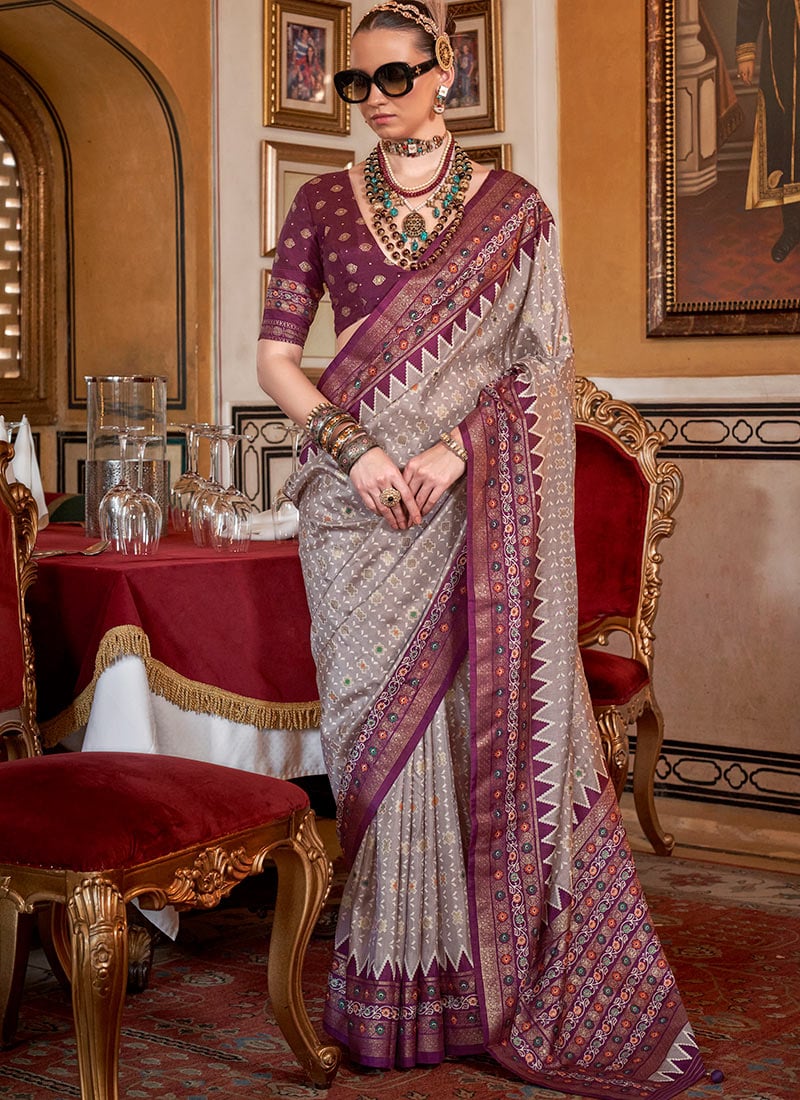
Maharashtra: Paithani Saree
Maharashtra’s pride, Paithani sarees feature peacock patterns and vibrant hues. The pallu (end piece) often showcases elaborate designs with peacocks, parrots, and flowers. These silk sarees use a special interlocking weave technique and were historically made with real gold threads.
Rajasthan: Leheriya Saree
Reflecting Rajasthan’s desert landscape, Leheriya sarees feature flowing wave patterns created through tie-dye. The diagonal stripes in vibrant colors look like rippling water—poetic in a desert state. These lightweight sarees are perfect for Rajasthan’s hot climate.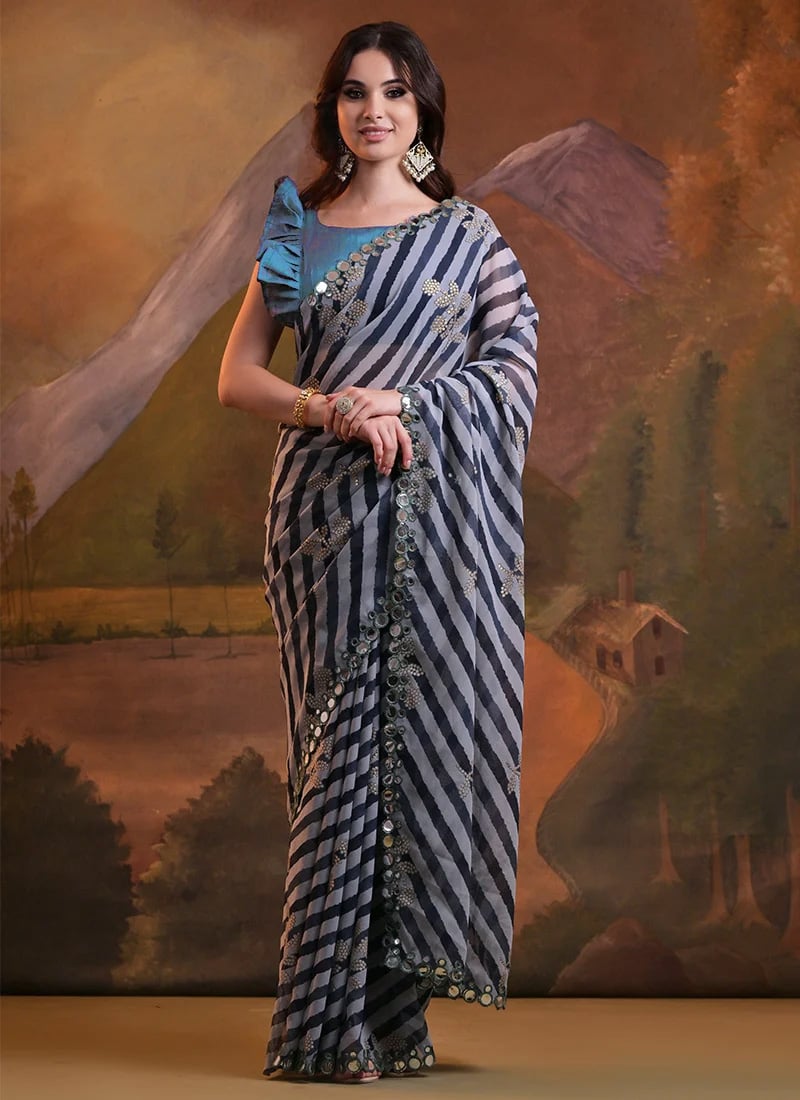
Goa: Kunbi Saree
Traditionally worn by Goa’s tribal women, these sarees feature distinctive checkered patterns. Made from cotton, they’re practical and comfortable. The checks are usually in natural dyes—reds, yellows, and blacks being most common.
Chhattisgarh: Kosa Silk Saree
Made from a distinct silk variant native to the region, Kosa silk comes from cocoons found in Chhattisgarh’s forests. This silk has a natural, slightly coarse texture and golden color. The handloom weaving tradition produces comfortable, durable sarees with ethnic tribal motifs.
What Makes Each Traditional Indian Saree Unique?
Several factors contribute to each regional saree’s distinctiveness. Fabric type varies dramatically—from fine cotton to heavy silk, wild tussar to cultivated mulberry silk, each chosen based on local availability and climate needs. Weaving technique differentiates regions too—ikat, brocade, jacquard, or simple handloom weaving each creates distinctive textures and patterns.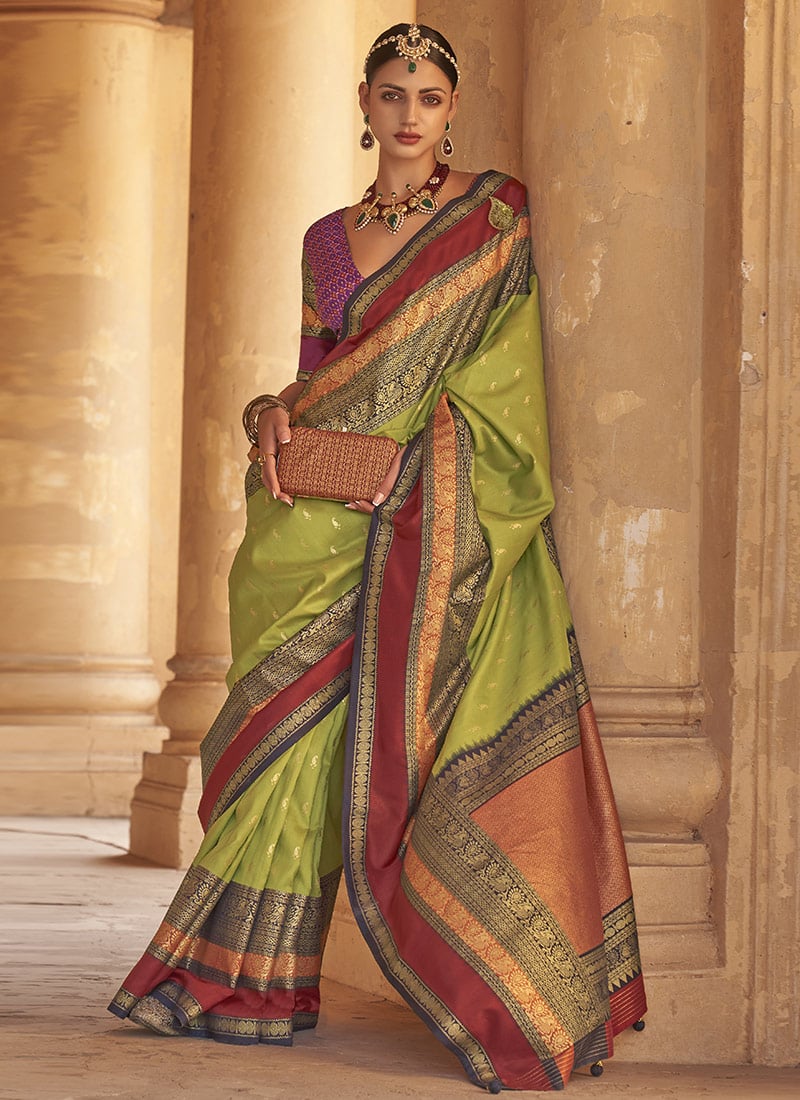
Regional influences show up in motifs and colors. Temple architecture inspires South Indian designs, while Mughal art influences North Indian patterns. Tribal art shapes northeastern sarees, and folk traditions guide western state designs. The typical occasions where sarees are worn also vary—Kerala’s Kasavu for Onam, Bengal’s tant for Durga Puja, or Kanjeevaram for South Indian weddings—each has its ceremonial context.
Modern Twist on Traditional Indian Sarees
Today’s women are reimagining how to wear Traditional Indian Sarees. Contemporary draping styles like the dhoti drape, pant-style drape, or lehenga-style drape make sarees more accessible and comfortable. Fusion of Indo-western styles pairs traditional sarees with crop tops, belts, or jackets, creating looks that work for modern occasions. Bollywood celebrity influence has been huge—when stars wear regional sarees with contemporary styling, it inspires nationwide trends. Designers are also creating lighter versions of traditional sarees, making them practical for everyday wear while maintaining cultural authenticity.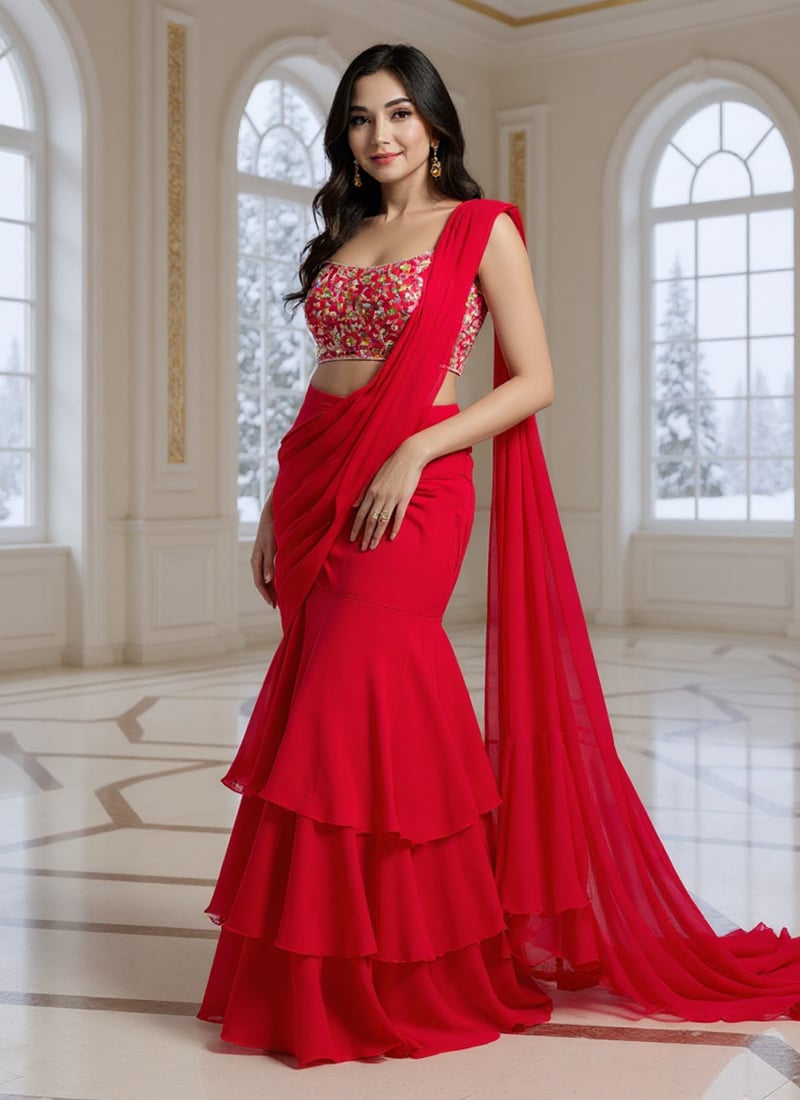
Where to Buy Authentic Traditional Indian Sarees
Finding genuine regional sarees requires knowing where to look. Local artisans and heritage boutiques in each state offer authentic pieces directly from weavers. Government emporiums like Khadi Gramodyog ensure authenticity and fair pricing. The Cbazaar online store and similar platforms now offer regional sarees with detailed descriptions of origin and technique, making these beautiful garments accessible globally. When shopping, look for signs of genuine craftsmanship—irregularities in handloom weaves (proving they’re not machine-made), natural color variations in hand-dyed pieces, and weight appropriate to the silk type claimed.
Conclusion
Sarees are undeniably the pride of Indian culture—no other garment so beautifully captures regional diversity while maintaining unified cultural significance. Each state’s signature saree represents generations of weavers perfecting their craft, artistic traditions passed through families, and cultural identities woven into fabric. 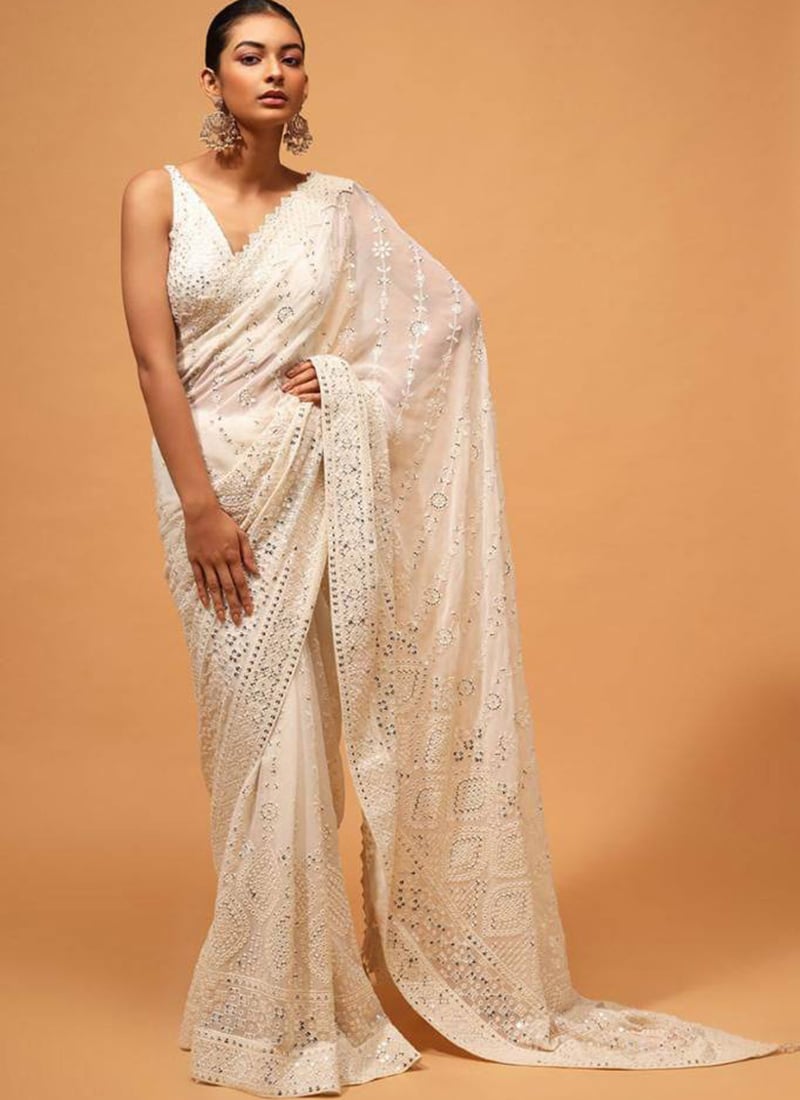
By embracing regional saree diversity, we’re not just making fashion choices—we’re preserving ancient arts, supporting artisan communities, and keeping cultural traditions alive for future generations. Wearing a Traditional Indian Saree is not just fashion—it’s heritage wrapped around your body, history draped with grace, and culture celebrated with every fold.
Signature Traditional Sarees of Every Indian State FAQ
- How many types of Traditional Indian Saree exist?
India has dozens of distinct traditional saree types, with each state offering at least one signature style. Counting variations within states, there are well over 80 recognized traditional saree types, each with unique weaving techniques, motifs, and cultural significance.
- Which state saree is best for weddings?
This depends on regional preferences and personal style. South Indian brides traditionally choose Kanjeevaram sarees for their richness and durability. North Indian brides often prefer Banarasi silk. However, brides increasingly choose sarees from their home states to honor their heritage, making any traditional saree appropriate for weddings.
- What is the difference between Banarasi and Kanjeevaram saree?
Banarasi sarees from Uttar Pradesh feature Mughal-inspired brocade work with gold and silver zari, creating ornate, heavy designs. Kanjeevaram sarees from Tamil Nadu use temple-inspired motifs with distinctive contrast borders. Banarasi silk is slightly heavier, while Kanjeevaram is known for extreme durability—it can last over 100 years with proper care.
- Are handloom sarees expensive?
Prices vary dramatically based on technique, materials, and time invested. Simple cotton handloom sarees might cost $30-$100, while elaborate silk sarees with intricate work can reach $500-$5,000 or more. Genuine Patola or heavily embroidered Banarasi pieces can cost even more. However, handloom sarees offer better quality and longevity than machine-made alternatives, making them worthwhile investments.

You May Also Like
Navratri Colors 2025: The Nine Days, Nine Hues of Celebration

Holiday Party Ready: Trendy Dresses for Black Friday and Cyber Monday