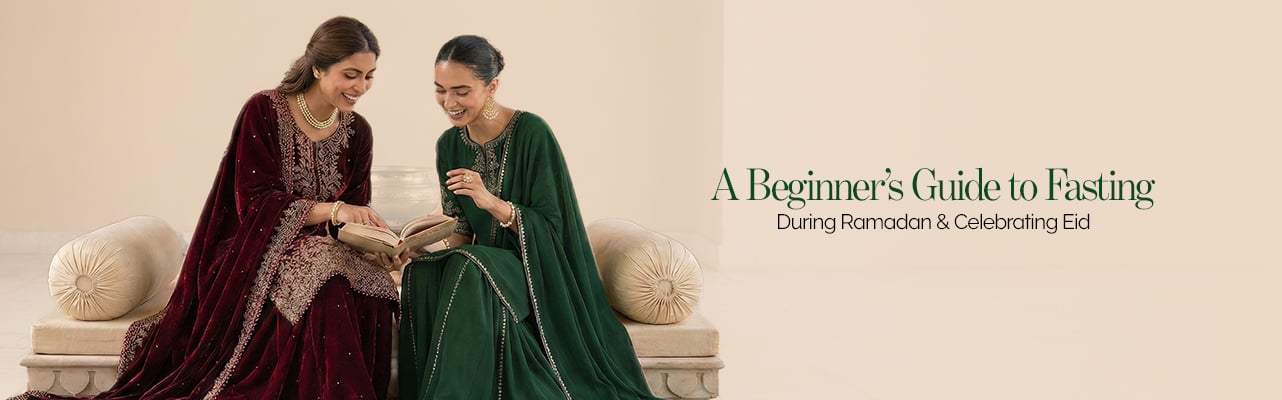
A Beginner’s Guide to Fasting During Ramadan and Celebrating Eid
Ramadan is one of the most sacred and spiritually meaningful months in Islam, observed by millions of Muslims across the world. For beginners, fasting during Ramadan may seem challenging, but it is deeply rooted in self-discipline, patience, gratitude, and devotion. From dawn (Suhoor) to sunset (Iftar), Muslims abstain from food, drink, and other physical needs while focusing on prayer, charity, and reflection. Fasting is not only a physical act but also a way to cleanse the mind and strengthen one’s connection with Allah.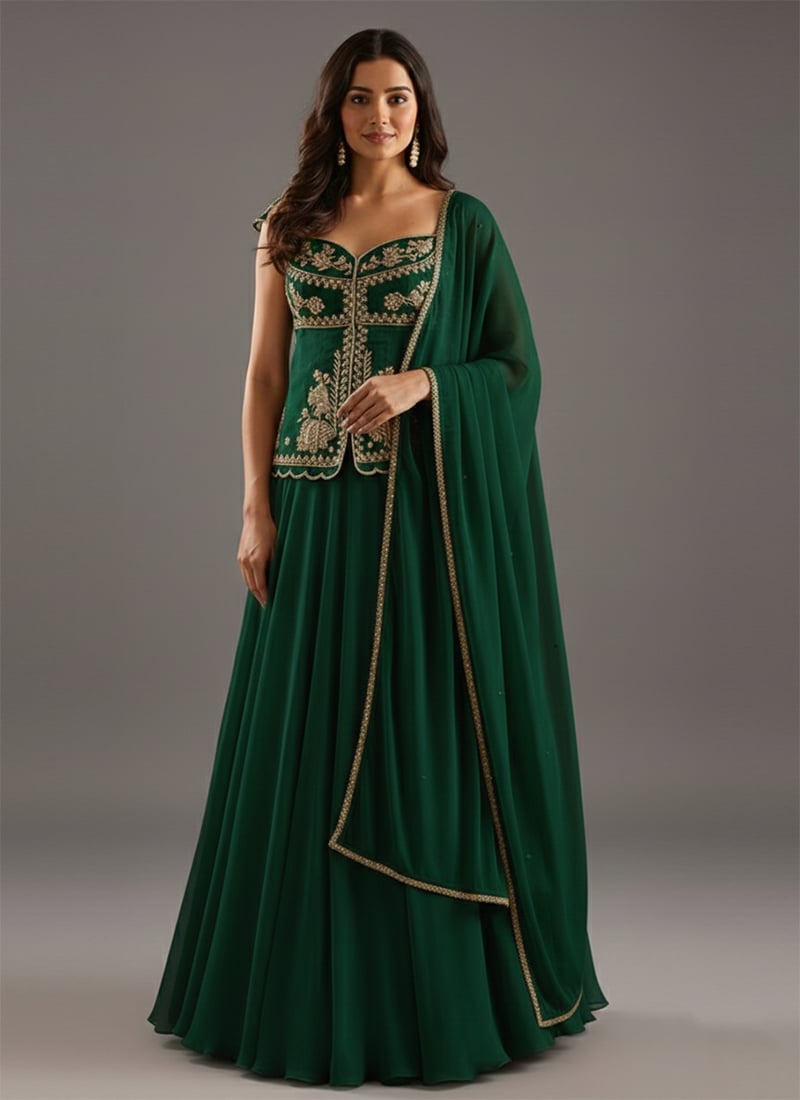
As the month concludes, Eid-ul-Fitr is celebrated with immense joy and gratitude. Families gather for special prayers, exchange gifts, enjoy festive meals, and share kindness with those in need. Dressing up in traditional attire is an important part of the celebration, especially in Indian culture, where elegant kurtas, salwar kameez, sherwanis, and graceful sarees reflect the beauty and spirit of Eid. Together, Ramadan and Eid create a meaningful journey of faith, celebration, and cultural expression.
Understanding the Significance of Ramadan
Ramadan is the holiest month in Islam, observed by millions of Muslims worldwide as a time of deep faith, reflection, and community. It marks the period when the Holy Quran was revealed and encourages believers to strengthen their relationship with Allah through worship, self-discipline, and compassion for others.
Spiritual Meaning of Ramadan
Ramadan is a spiritual reset for the soul. It emphasizes prayer, Quran recitation, and self-reflection, helping Muslims cleanse their hearts from negativity and focus on gratitude, patience, and humility. Acts of charity and kindness are highly encouraged, reinforcing empathy toward those less fortunate. The month nurtures inner peace and moral discipline, guiding believers toward a more mindful and righteous life.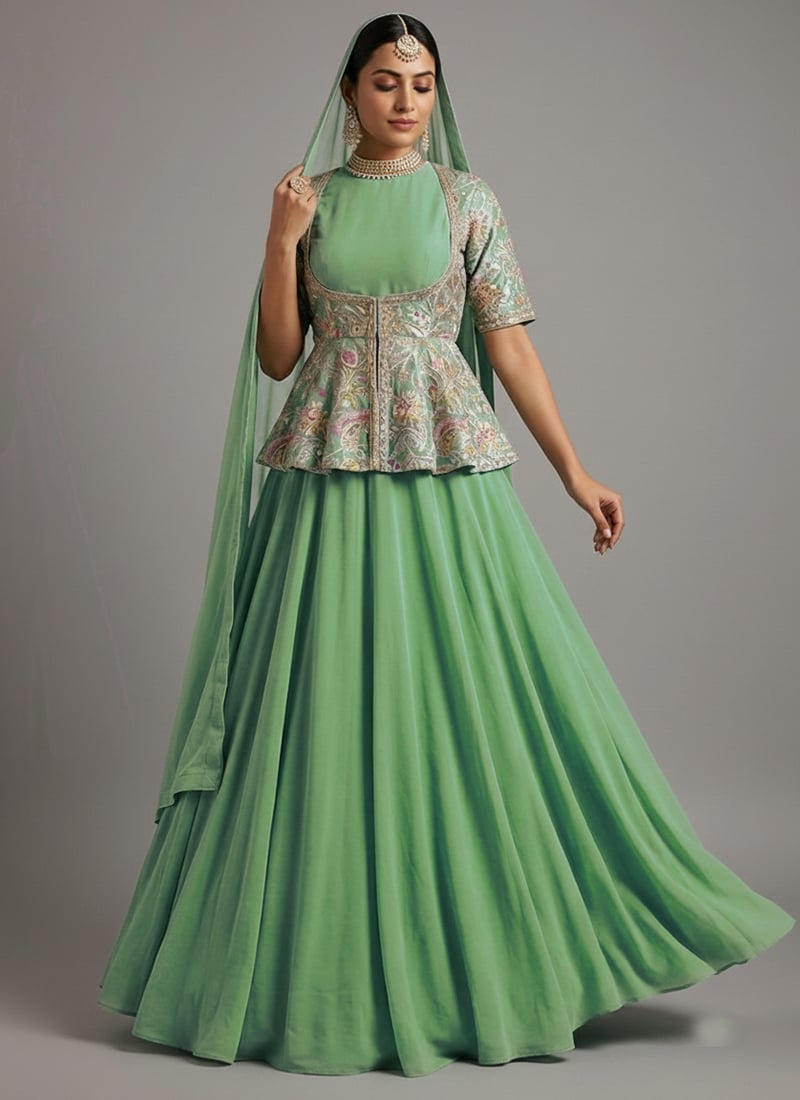
Why Fasting Is Central to Islam
Fasting during Ramadan, from dawn to sunset, is one of the Five Pillars of Islam. It teaches self-control, devotion, and obedience to Allah. By abstaining from food, drink, and negative behavior, Muslims develop spiritual strength, gratitude, and a deeper awareness of faith and humanity.
Understanding the Purpose of Fasting
Fasting is a spiritual and personal practice observed across many cultures and religions. Beyond abstaining from food or certain habits, fasting carries a deeper meaning—it is a journey of self-control, reflection, and spiritual growth. By temporarily stepping away from physical indulgences, individuals create space for inner awareness and higher purpose.
Strengthening Discipline
One of the primary purposes of fasting is to build self-discipline. Resisting everyday desires such as food, comfort, or routine habits teaches patience and control over the mind and body. This discipline extends beyond the fasting period, helping individuals make more mindful choices in daily life. By learning to say “no” to immediate urges, fasting nurtures resilience, focus, and a stronger sense of willpower that can positively influence personal and professional decisions.
Developing Empathy and Compassion
Fasting also fosters empathy and compassion toward others. Experiencing hunger, even temporarily, helps individuals better understand the struggles of those who face food insecurity and hardship daily. This awareness encourages gratitude for life’s blessings and inspires acts of kindness, charity, and generosity. Through fasting, people often become more conscious of their responsibilities toward society and more willing to help those in need.
Building a Closer Connection with God
At its core, fasting is a spiritual practice that strengthens one’s connection with God. By reducing physical distractions, individuals can focus more deeply on prayer, reflection, and devotion. Fasting creates a sense of humility and dependence on the divine, allowing the soul to realign with faith and purpose. This spiritual closeness brings inner peace, clarity, and a renewed sense of gratitude and devotion.
Choosing the Perfect Indian Outfit for Eid
Eid is a celebration of joy, togetherness, and timeless traditions, and dressing up beautifully is an essential part of the festivities. Choosing the perfect Indian outfit for Eid allows you to express your personal style while honoring cultural elegance. From classic silhouettes to modern designs, there is an Eid outfit for everyone—women and men alike. Here’s a detailed guide to help you pick the ideal attire for a memorable Eid celebration.
Sarees for a Traditional Look
Sarees are a symbol of grace and heritage, making them a perfect choice for a traditional Eid look. Rich fabrics like silk, chiffon, georgette, and organza adorned with zari, sequins, or delicate embroidery add a festive charm. Pastel shades offer subtle elegance for daytime celebrations, while jewel tones such as emerald, ruby, and royal blue create a striking appearance for evening gatherings. Pair your saree with statement jewelry and a beautifully embroidered blouse to complete the look.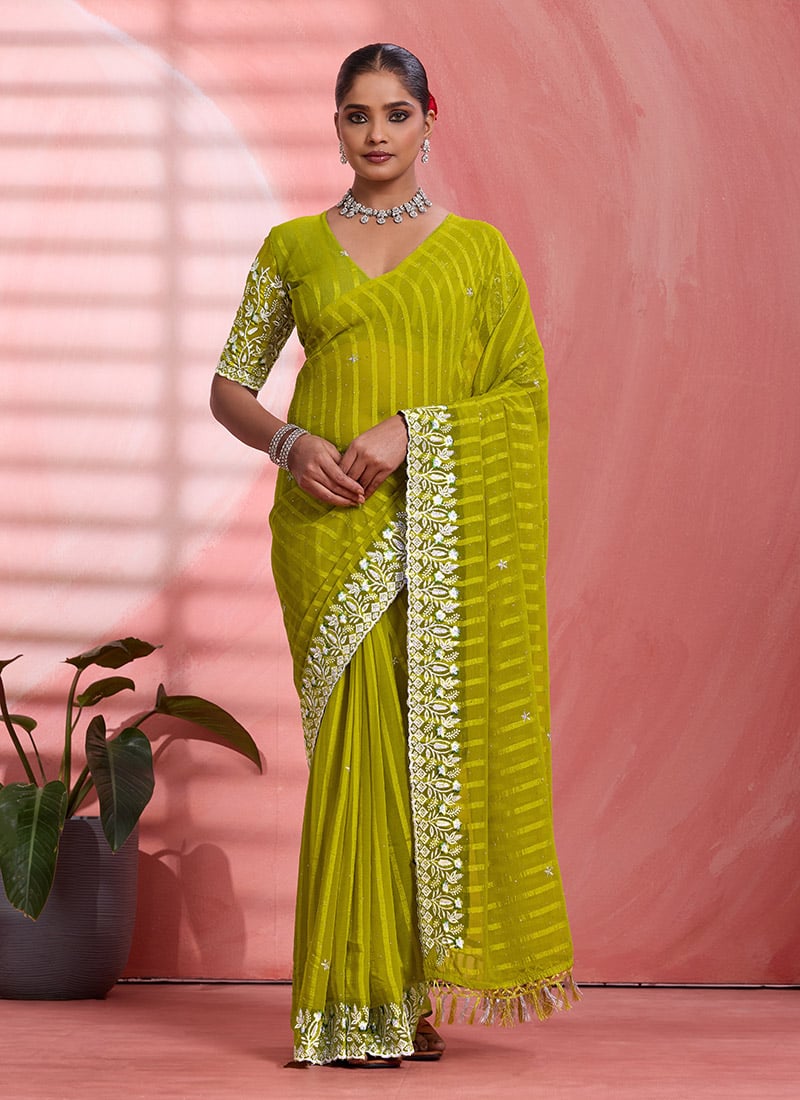
Lehenga Styles for Festive Glam
Lehengas are ideal for women who want a glamorous yet traditional outfit for Eid. From classic flared lehengas to contemporary A-line and panelled designs, the options are endless. Fabrics like velvet, silk, and net with intricate embellishments elevate the festive vibe. Lighter embroidered lehengas work well for daytime events, while heavily embellished ones are perfect for grand Eid dinners and parties.
Salwar Kameez for Comfort and Style
Salwar kameez remains a popular Eid choice due to its comfort and versatility. Straight-cut suits, Patiala salwars, and churidar styles cater to different tastes. Embroidered necklines, printed dupattas, and soft fabrics like cotton silk or georgette ensure ease of movement without compromising on style—perfect for long Eid celebrations.
Anarkali Suits for a Royal Vibe
Anarkali suits bring a regal touch to Eid dressing. Their flowing silhouettes and intricate detailing create an effortlessly elegant look. Floor-length Anarkalis with subtle embroidery or layered designs are especially popular for festive occasions, offering both comfort and grandeur.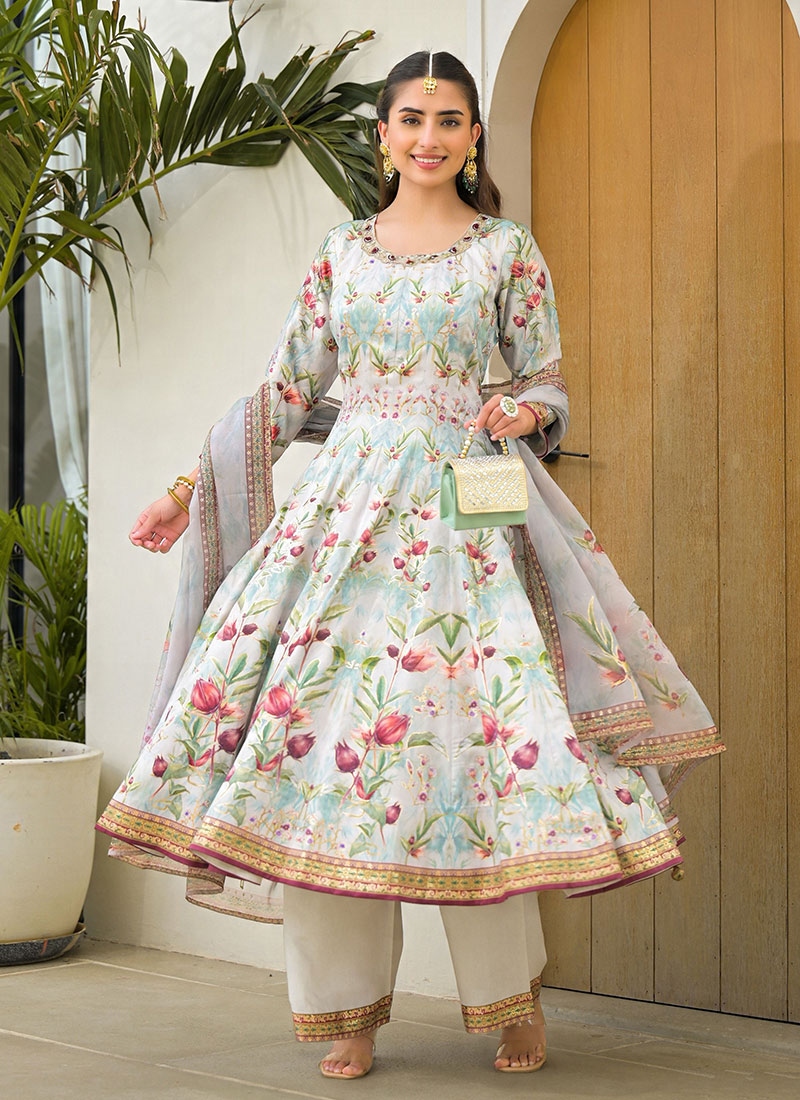
Sharara Suits & Palazzo Suits for Modern Elegance
Sharara and palazzo suits blend tradition with modern fashion. Wide-legged bottoms paired with short or long kurtas offer a contemporary yet festive appeal. Embellished dupattas and pastel hues make these outfits a stylish choice for younger audiences and modern celebrations.
Kurta Pajamas for Men
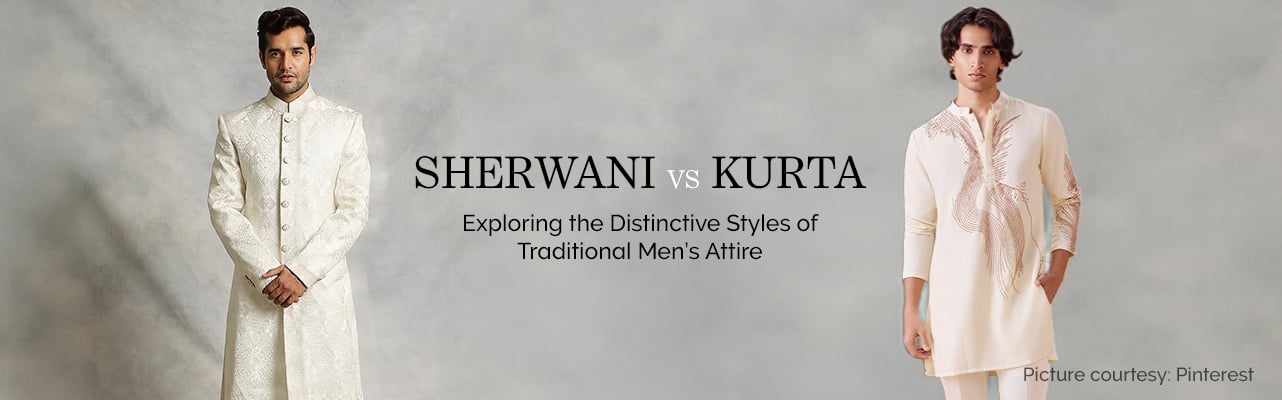
Kurta pajamas are a classic and comfortable option for men during Eid. Available in fabrics like cotton, linen, and silk blends, they suit both casual prayers and formal gatherings. Embroidered collars or subtle prints add festive sophistication.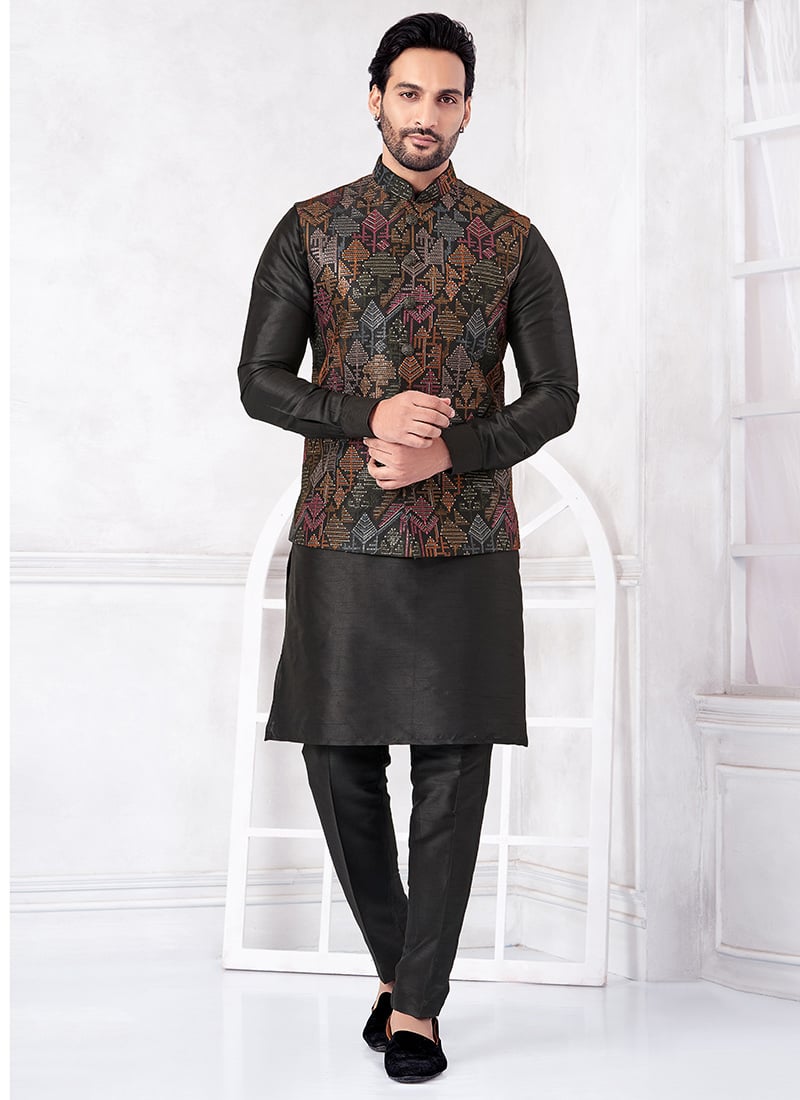
Sherwani for a Majestic Eid Look
For a truly majestic Eid appearance, sherwanis are unmatched. Rich fabrics, intricate embroidery, and structured designs make sherwanis ideal for special Eid events. Pair them with churidar pants or straight trousers for a regal finish.
Eid al-Fitr Celebration Explained
Eid al-Fitr is a joyous Islamic festival that marks the completion of the holy month of Ramadan. It is a day of gratitude, togetherness, and generosity, celebrated by Muslims around the world with prayers, social gatherings, and festive meals.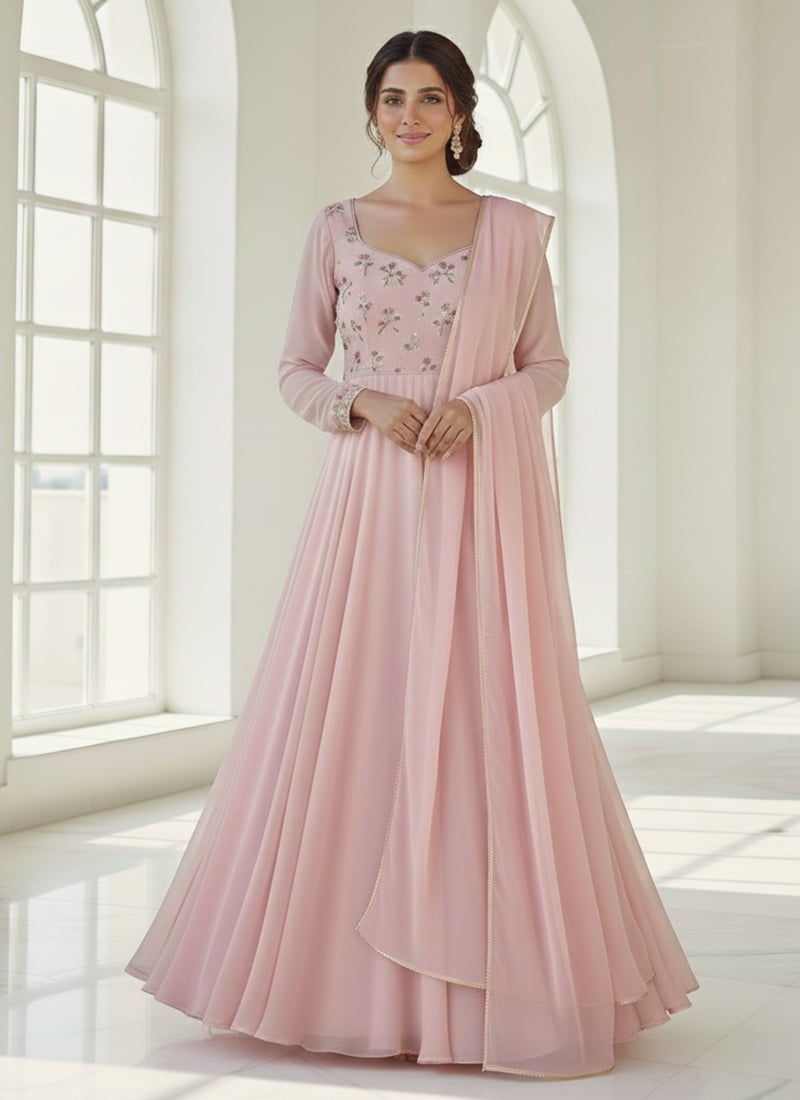
Morning Eid Prayer
The day begins with a special Eid prayer performed in congregation at mosques or open prayer grounds. Muslims dress in their finest traditional attire and gather early in the morning to offer thanks to Allah for the strength and patience shown during Ramadan. The prayer is followed by a sermon that emphasizes unity, compassion, and gratitude. Before attending the prayer, it is customary to give Zakat al-Fitr, a charitable donation meant to help the less fortunate participate in the celebrations.
Visiting Friends and Family
After prayers, families and friends visit one another to exchange warm greetings of “Eid Mubarak.” Homes are filled with laughter as elders bless the younger members, and children receive gifts or Eidi. These visits strengthen bonds, promote forgiveness, and reinforce the spirit of community.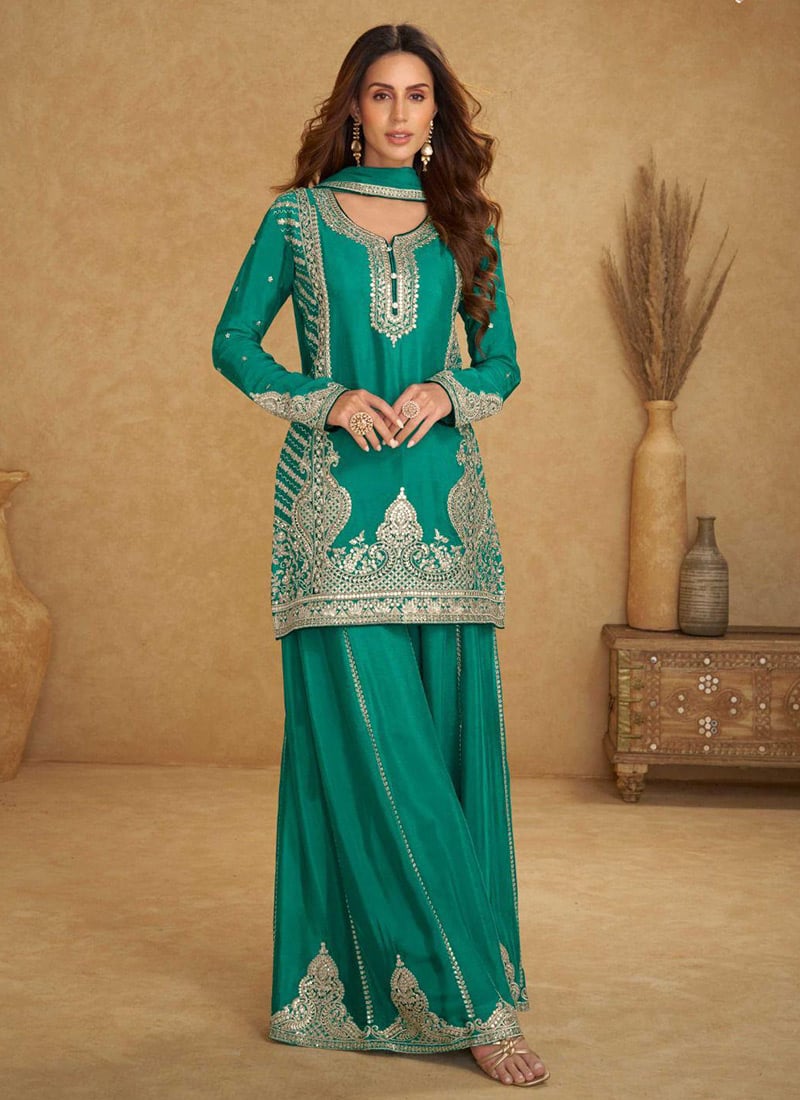
Feasting and Sharing Joy
Eid celebrations are incomplete without delicious food. Families prepare a variety of traditional dishes and sweets, such as seviyan, biryani, and festive desserts. Meals are shared generously with neighbors and guests, spreading happiness and reinforcing the true essence of Eid—sharing joy, love, and kindness with everyone.
Final Thoughts
For beginners, Ramadan is much more than a month of fasting—it is a meaningful journey of patience, self-discipline, gratitude, and spiritual awakening. In the early days, abstaining from food and drink may feel physically and mentally demanding, but with time, it becomes an opportunity to reflect, reconnect with faith, and build a stronger sense of empathy for others. Ramadan teaches the value of mindfulness in daily actions, kindness in interactions, and balance between spiritual and worldly responsibilities.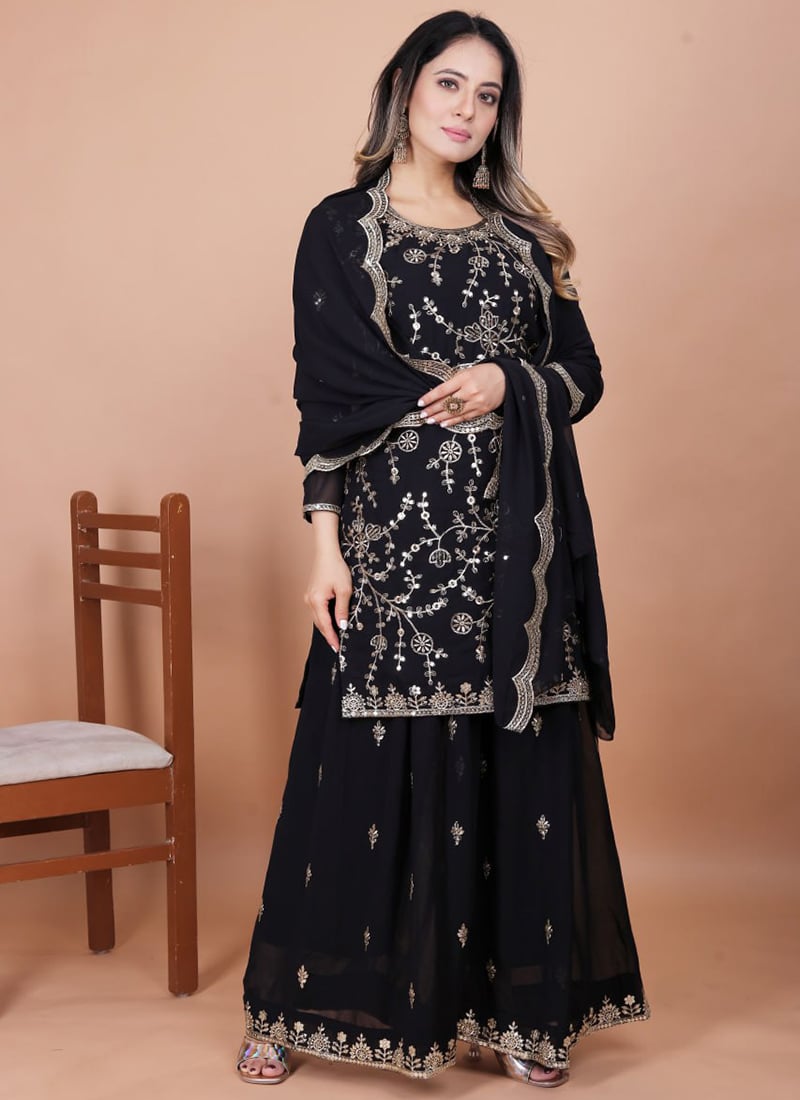
As the month draws to a close, Eid arrives as a joyful and fulfilling celebration, marking the success of this spiritual journey. It brings together faith, family, culture, and generosity, creating moments of togetherness and gratitude. Dressing up, sharing meals, giving charity, and spreading happiness make Eid truly special. With Cbazaar, embracing the essence of Ramadan and Eid becomes even more meaningful, blending tradition, elegance, and celebration into one unforgettable experience.
Ramadan Fasting Basics for Beginners FAQ
- Is fasting during Ramadan hard for beginners?
Fasting during Ramadan can be challenging for beginners, especially adjusting to long hours without food or drink. Common difficulties include hunger, thirst, and fatigue. However, with proper meal planning, hydration before dawn, and gradual practice, most people adapt within a few days and find the experience rewarding spiritually and physically.
- What are the best Indian outfits for Eid?
For Eid, traditional Indian outfits make a perfect choice, combining elegance and festive charm. Women can opt for intricately embroidered sarees, flowy Anarkali suits, or stylish lehengas, while men can choose sherwanis, kurta-pajamas, or bandhgalas in vibrant colors. Rich fabrics, delicate embellishments, and contemporary designs add a celebratory touch.
- Is Eid only about food and clothes?
No, Eid is not just about food and clothes. It is a time for gratitude, prayer, and community. Families come together, help the less fortunate, strengthen bonds, and celebrate spiritual reflection and generosity, making it a festival of faith, love, and compassion beyond just celebrations.
- What should beginners eat during Ramadan?
Beginners during Ramadan should focus on balanced meals. For Suhoor, eat slow-digesting foods like oats, whole grains, eggs, and fruits to stay energized. For Iftar, start with dates and water, followed by vegetables, lean protein, and complex carbs. Avoid fried and sugary foods to maintain steady energy.
- How long does Eid last?
Eid lasts for different durations depending on the festival. Eid al-Fitr is typically celebrated for 1 to 3 days, marking the end of Ramadan. Eid al-Adha can last up to 4 days, depending on the country, commemorating the sacrifice of Prophet Ibrahim. Both involve prayers, feasts, and family gatherings.

You May Also Like

How to Style a Kurta-Pajama for Eid: Simple Tips for Men
Chanderi – THE PRIDE OF MADHYA PRADESH